


Quail Homes Strives to be the Best Empty Nester and Multi-Generational Builder in Southwest Washington.
Focusing on Quality Design, Products and People.We invite you to visit our Model Home in Vancouver.
Open Saturday and Sunday 12-4
or by appointment
View our Model Home Picture Gallery
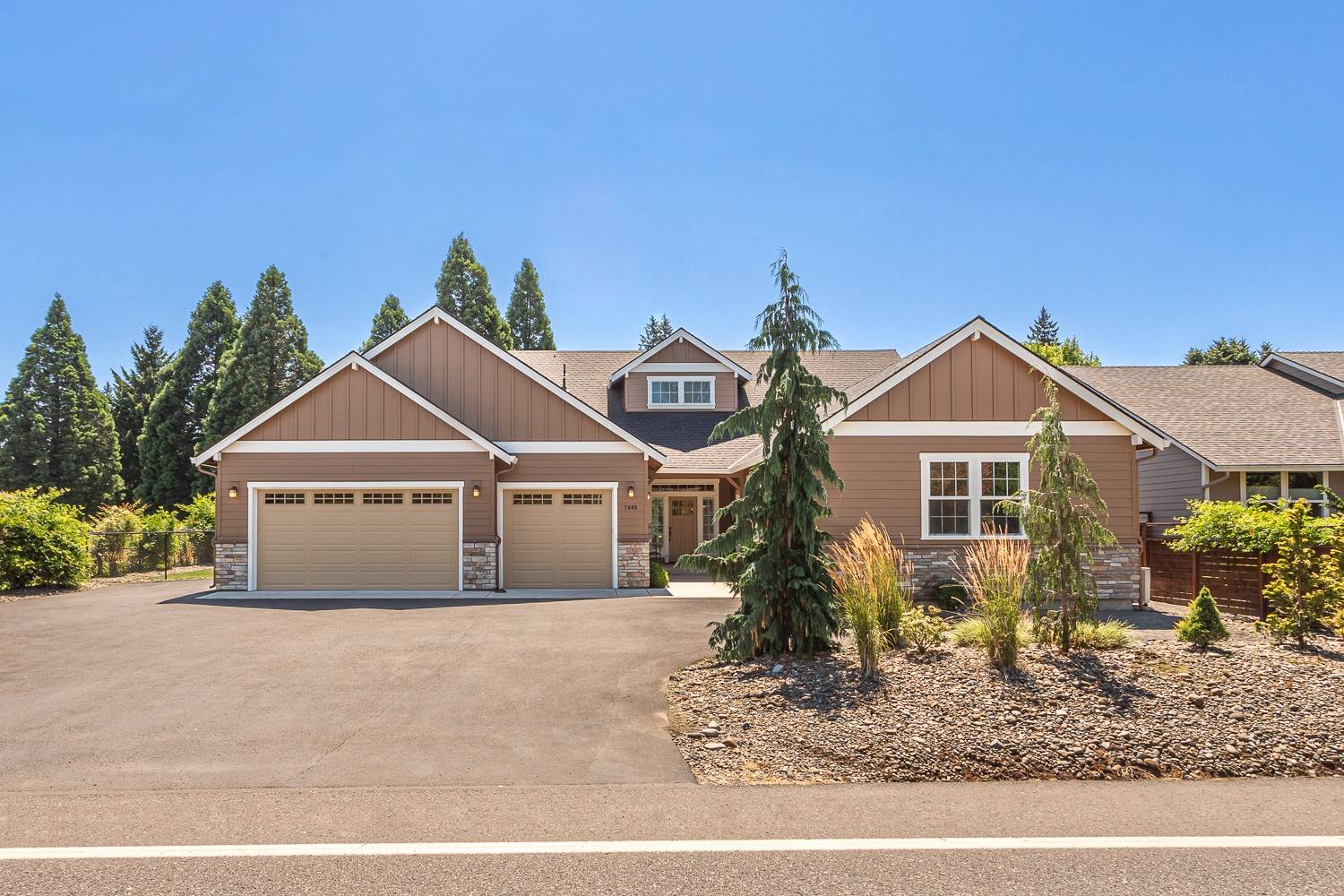
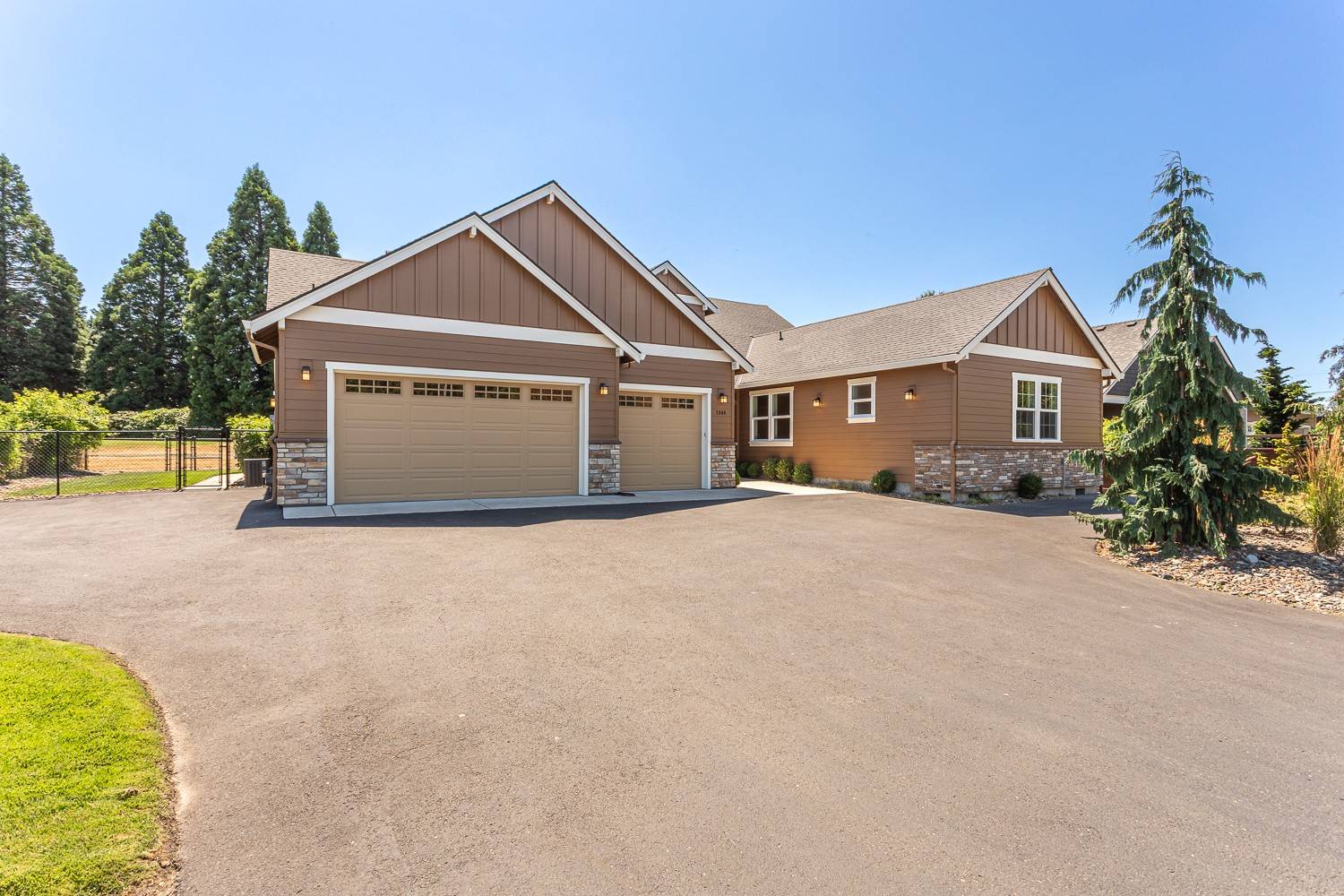
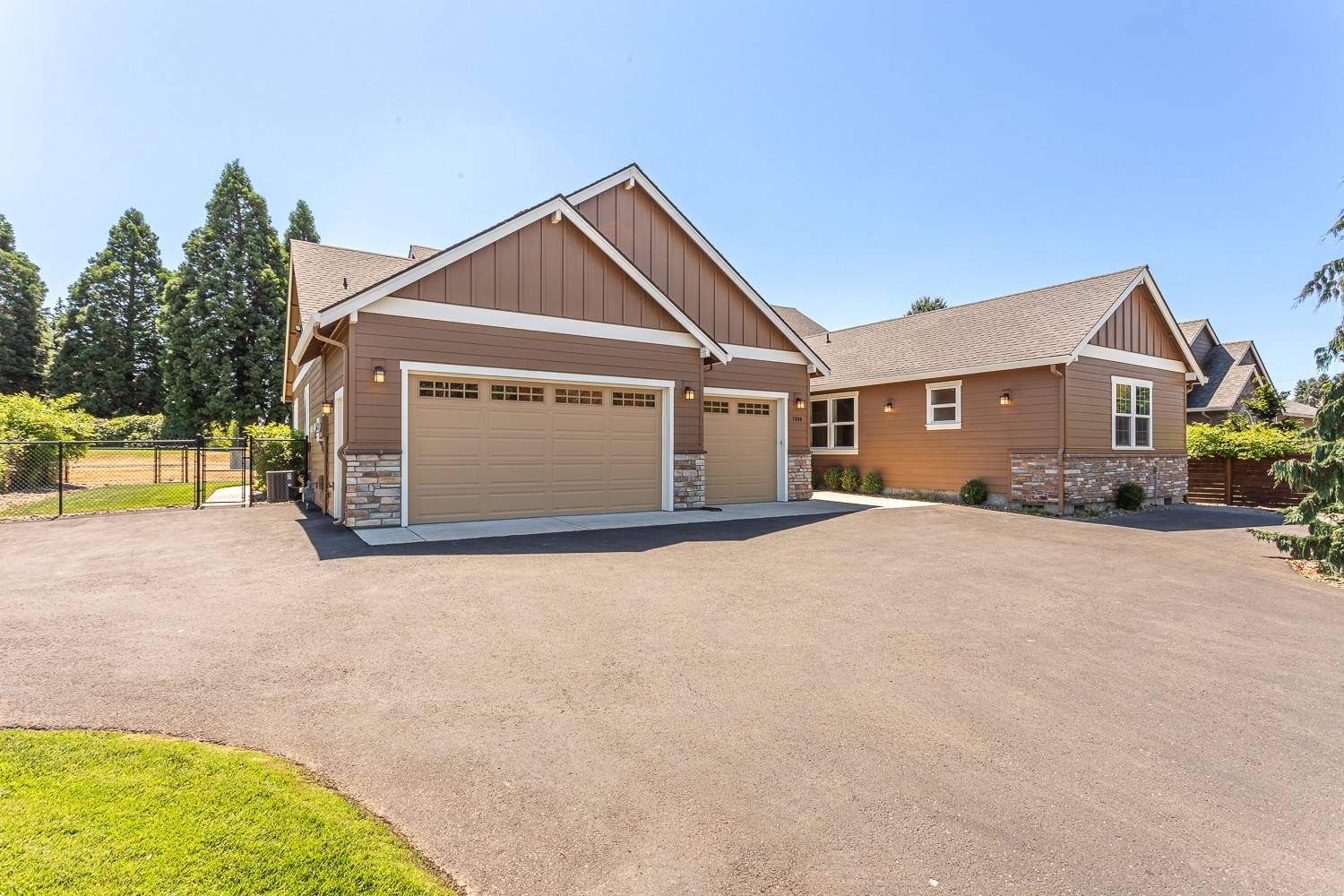
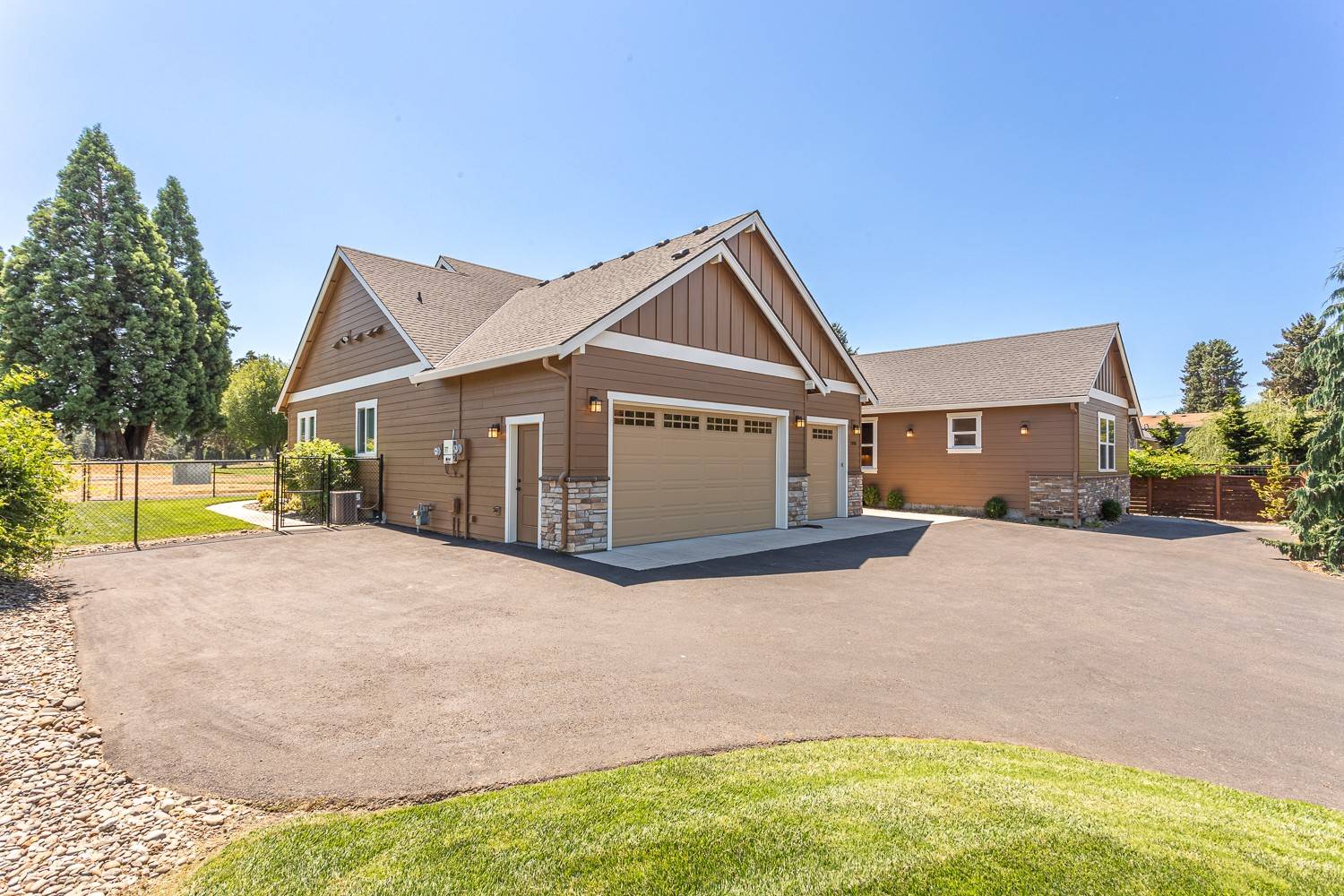
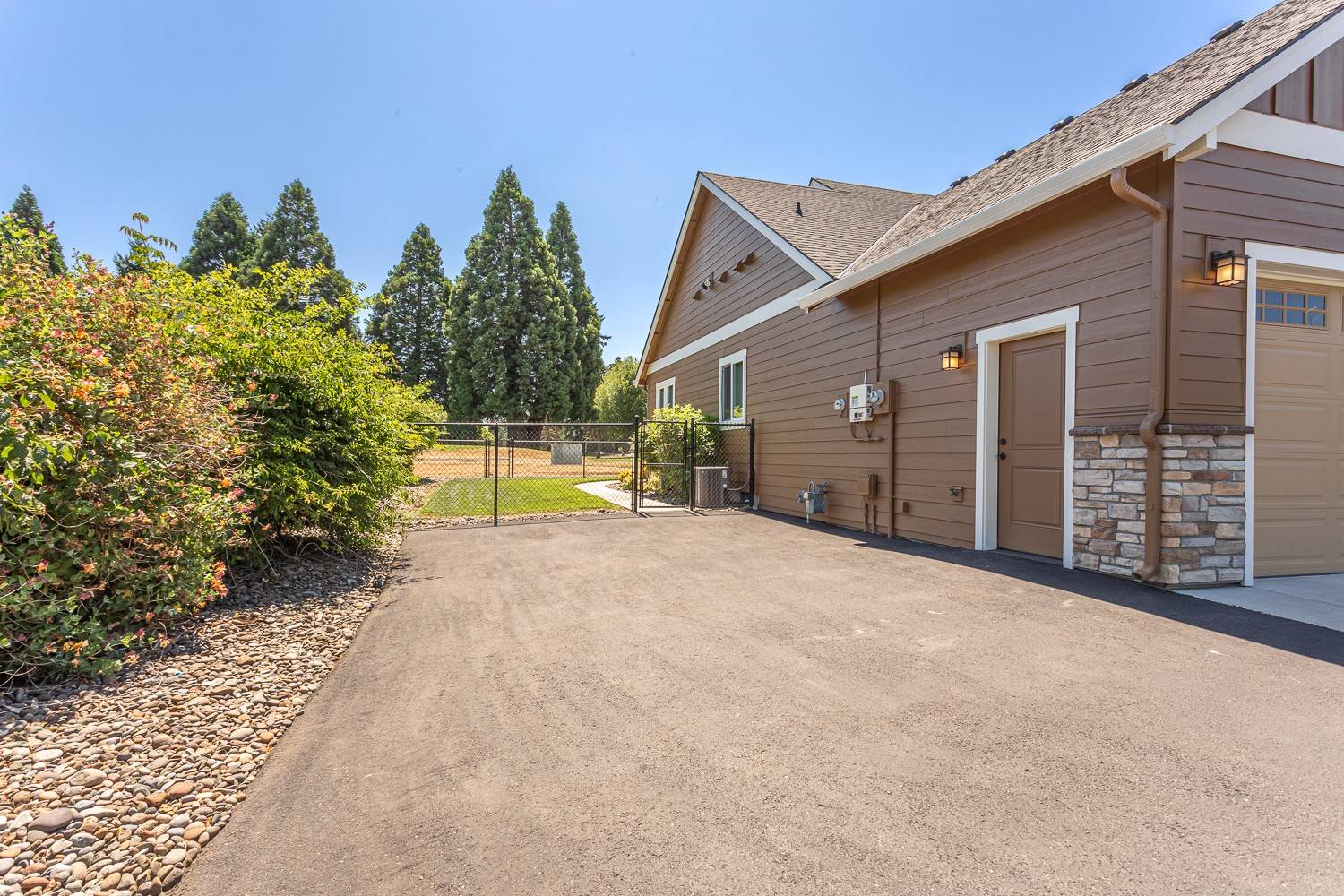
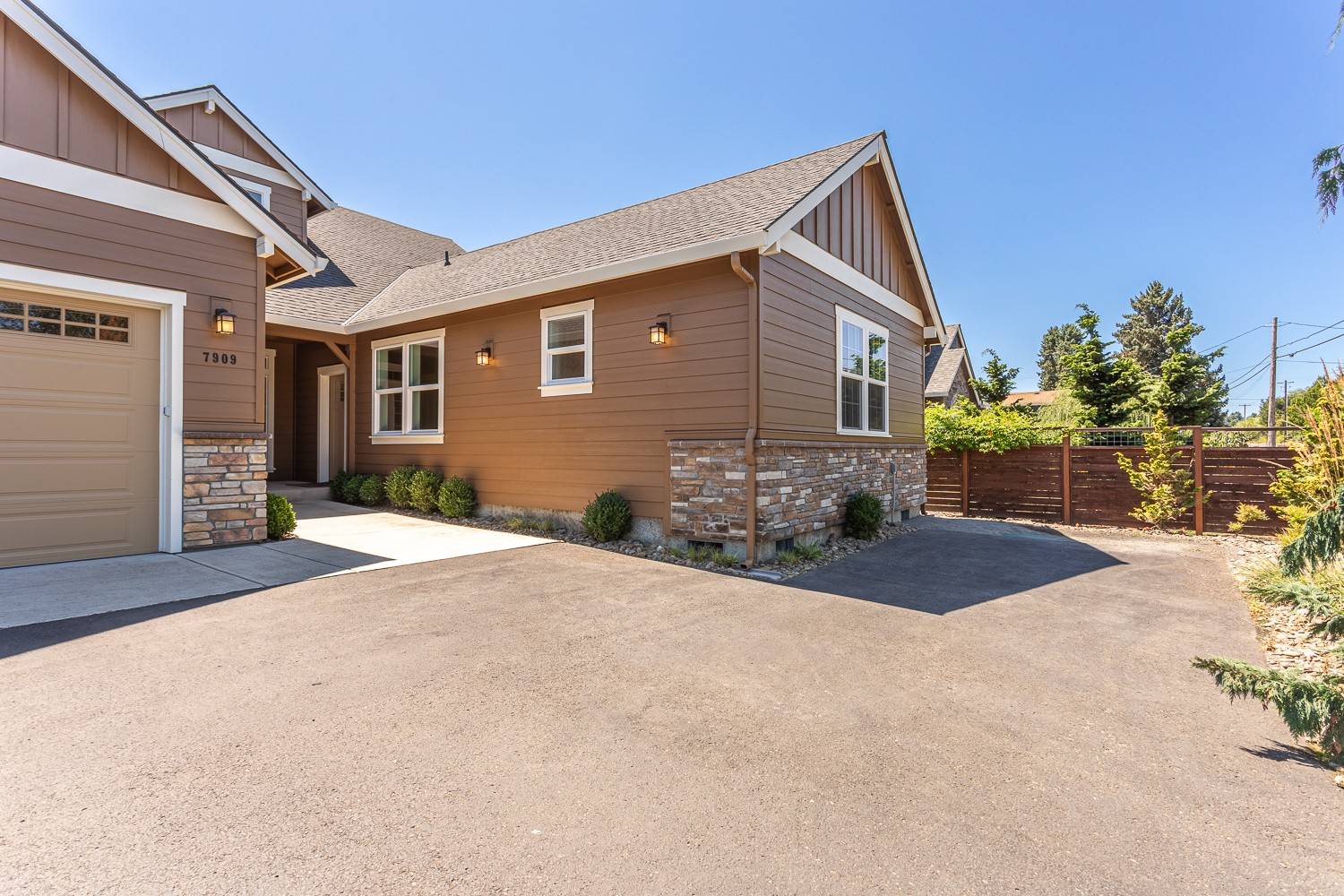
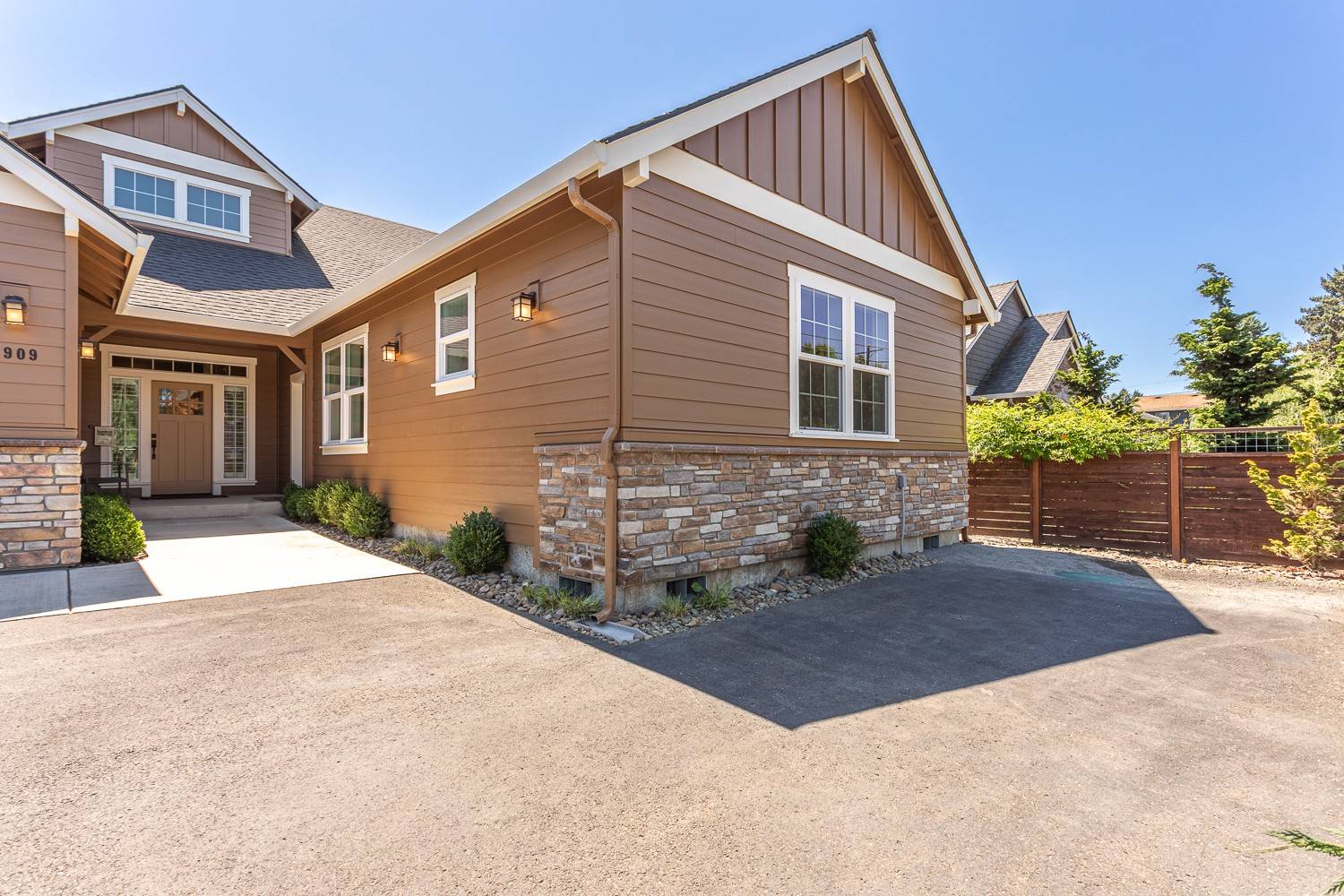
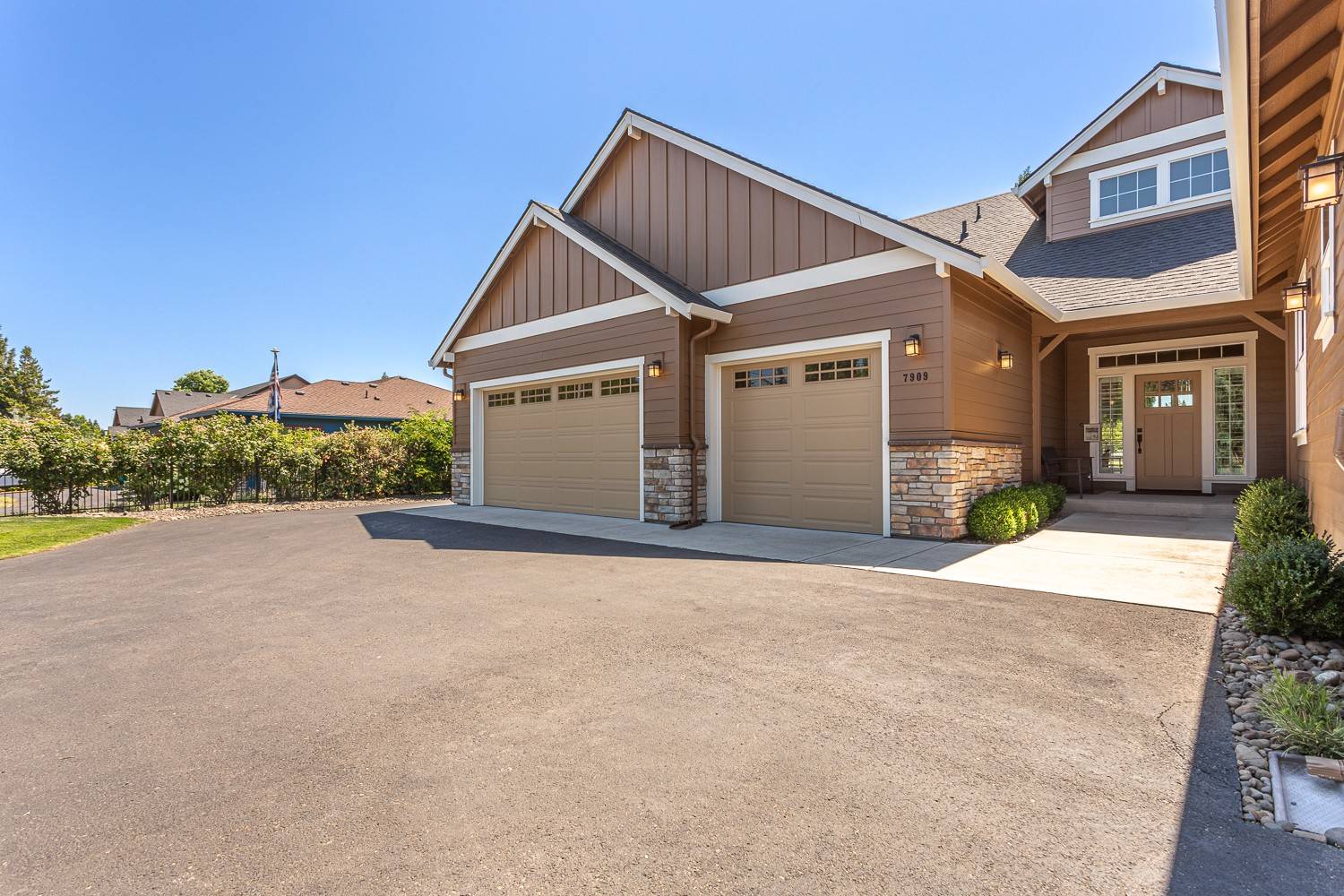
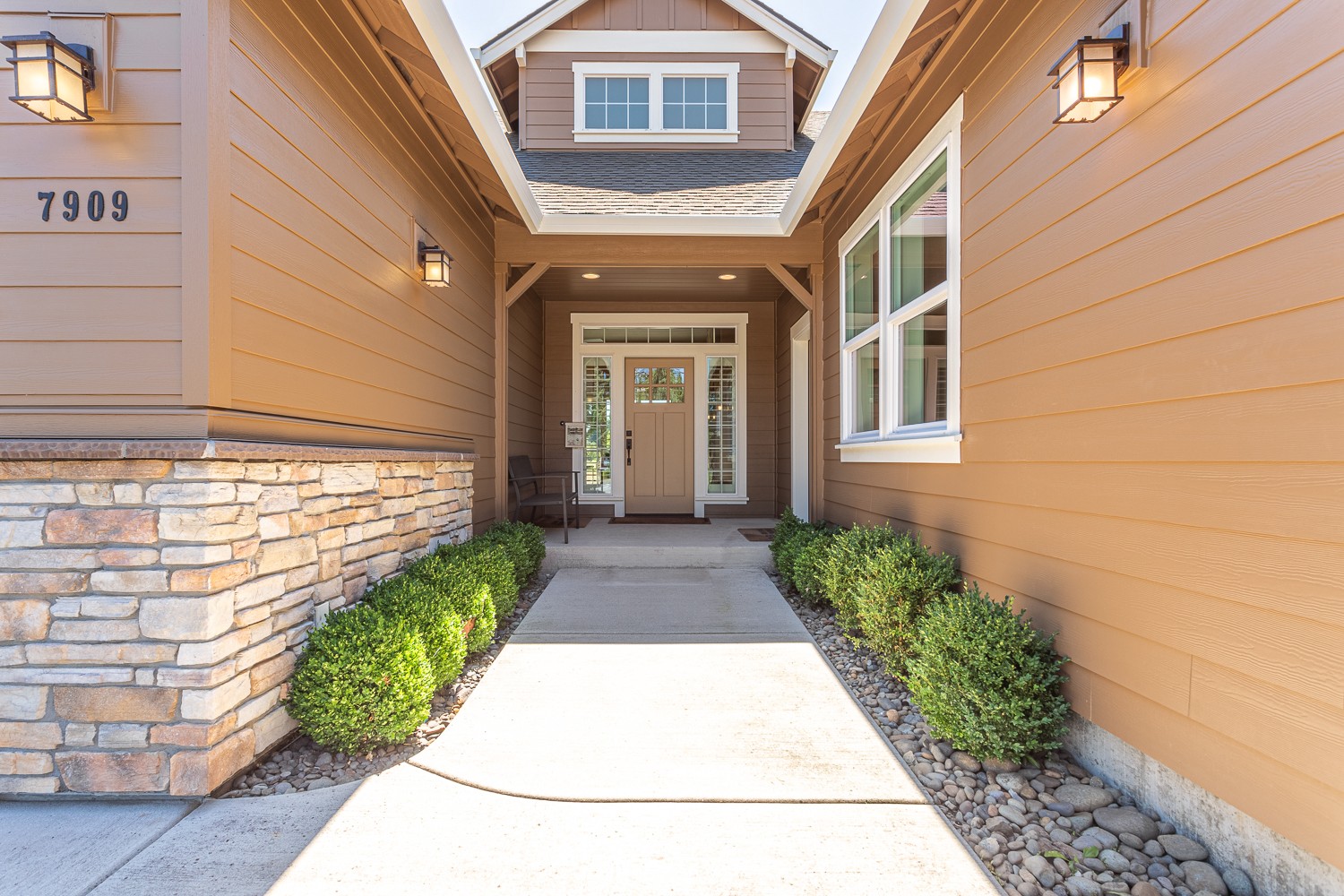
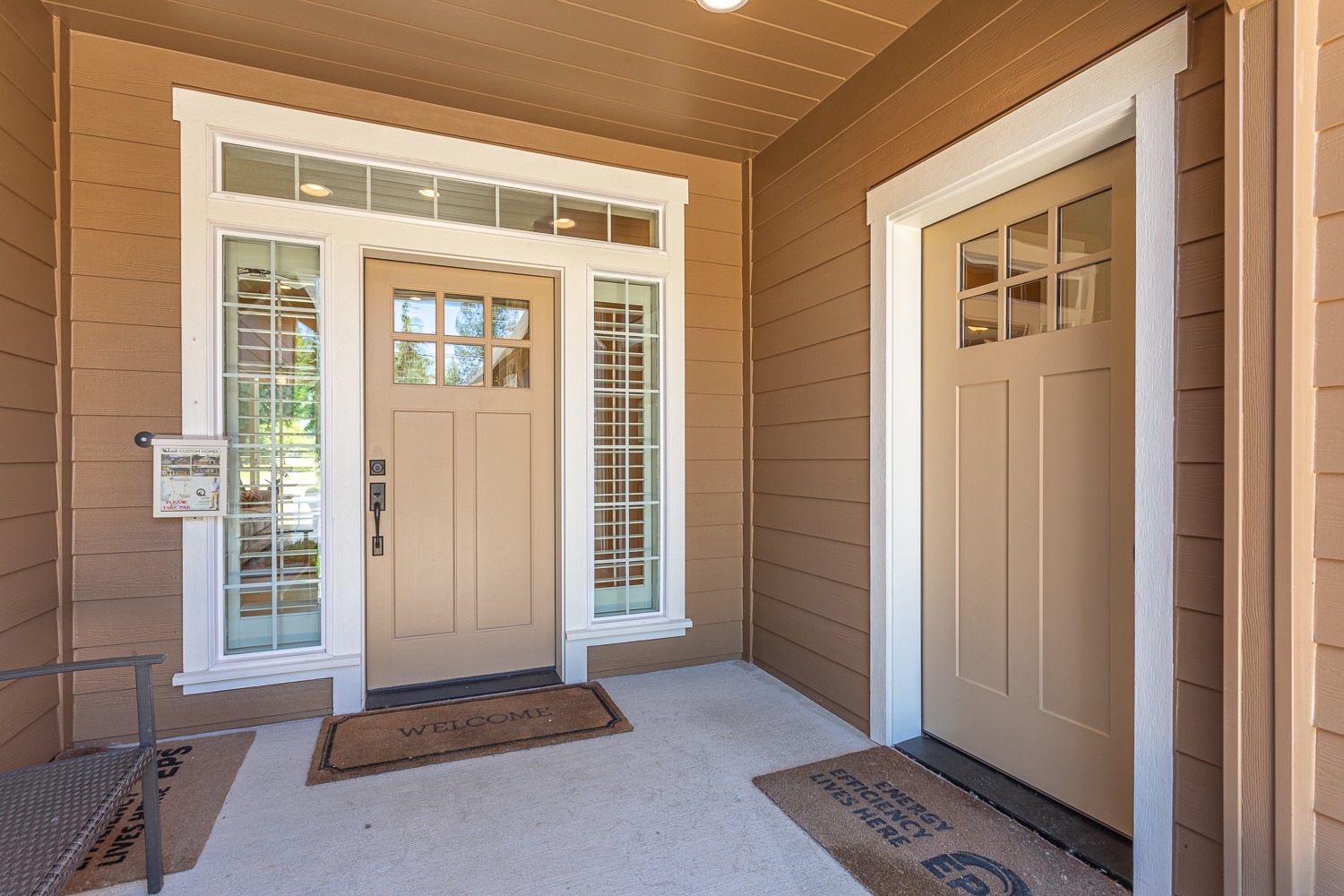
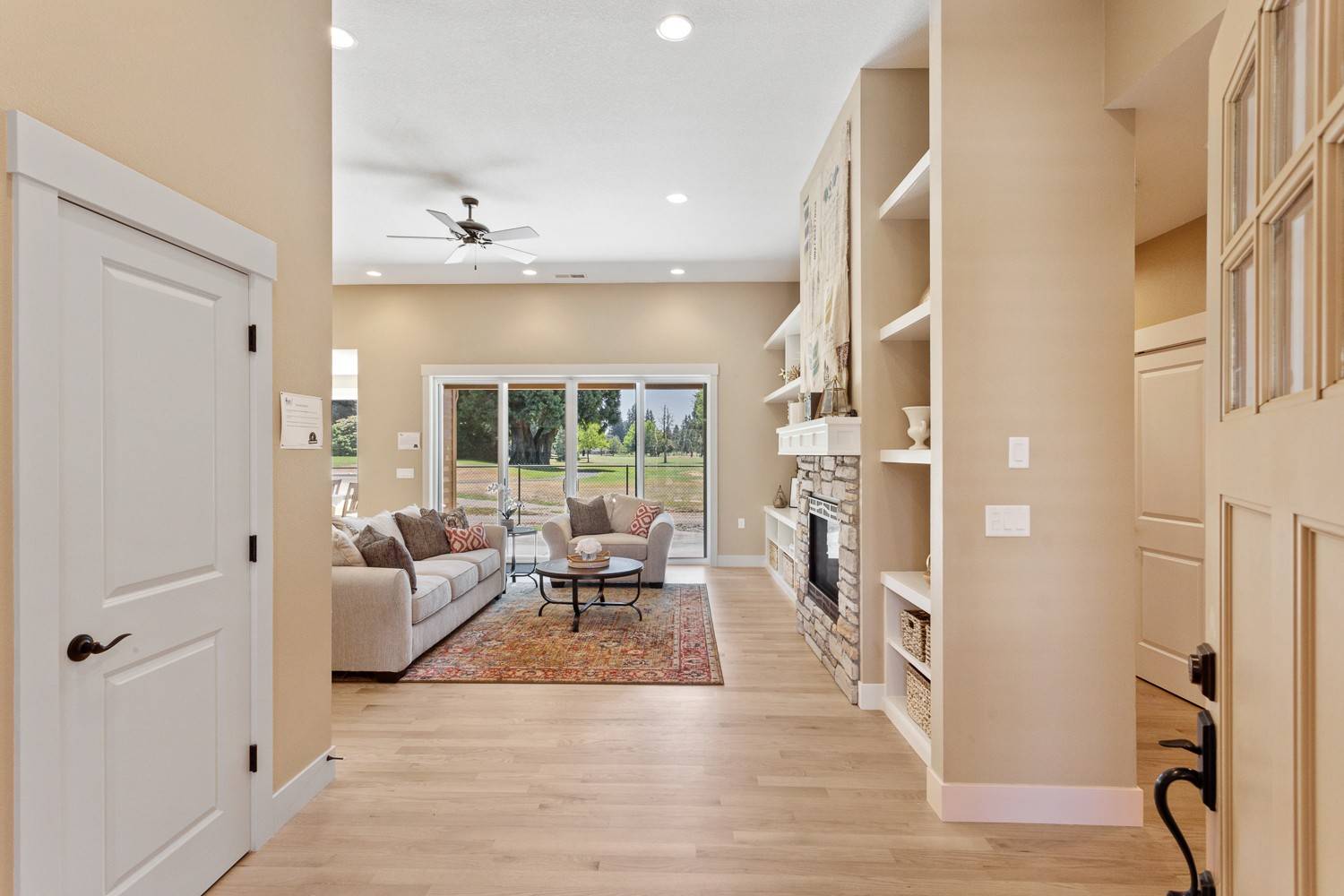
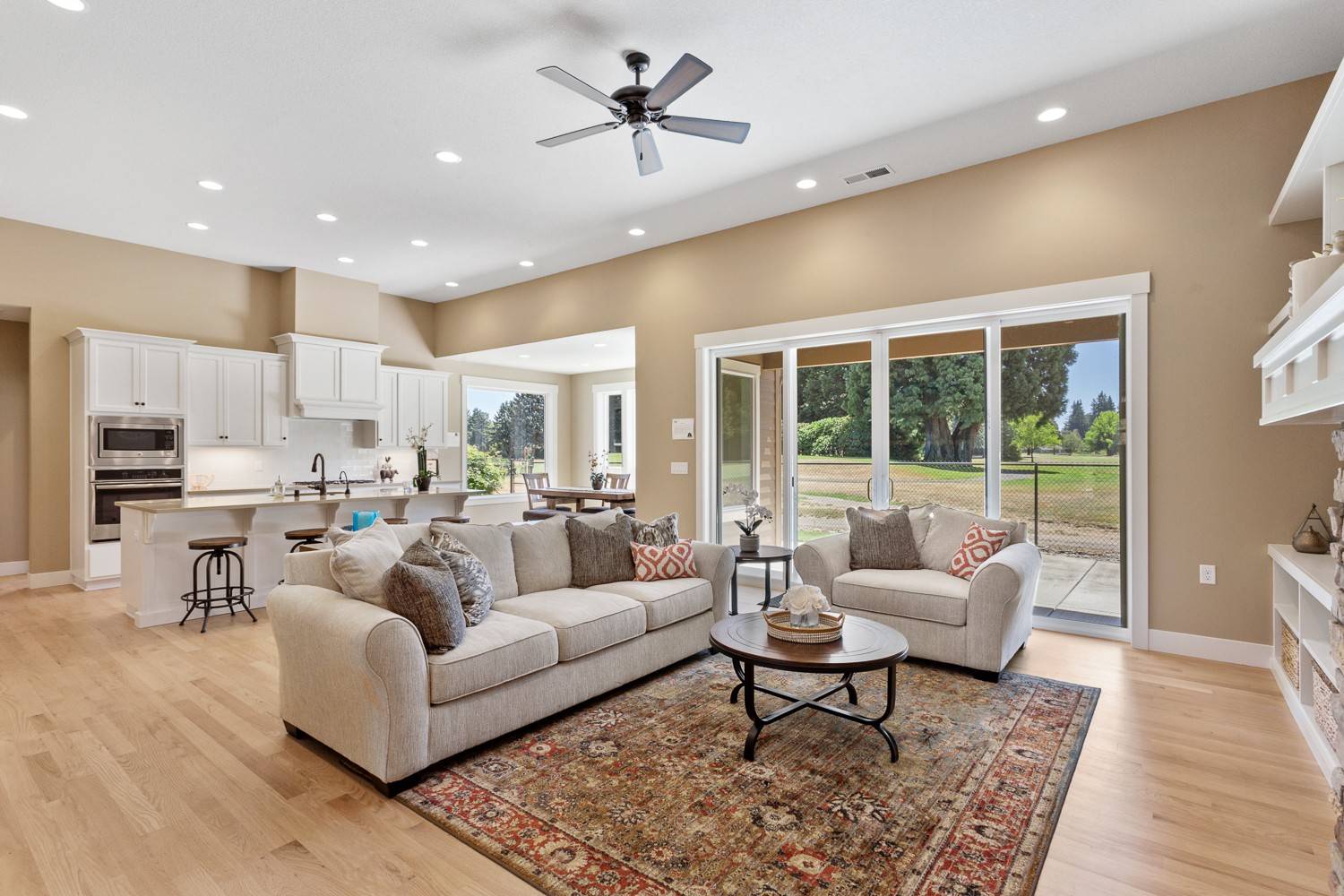
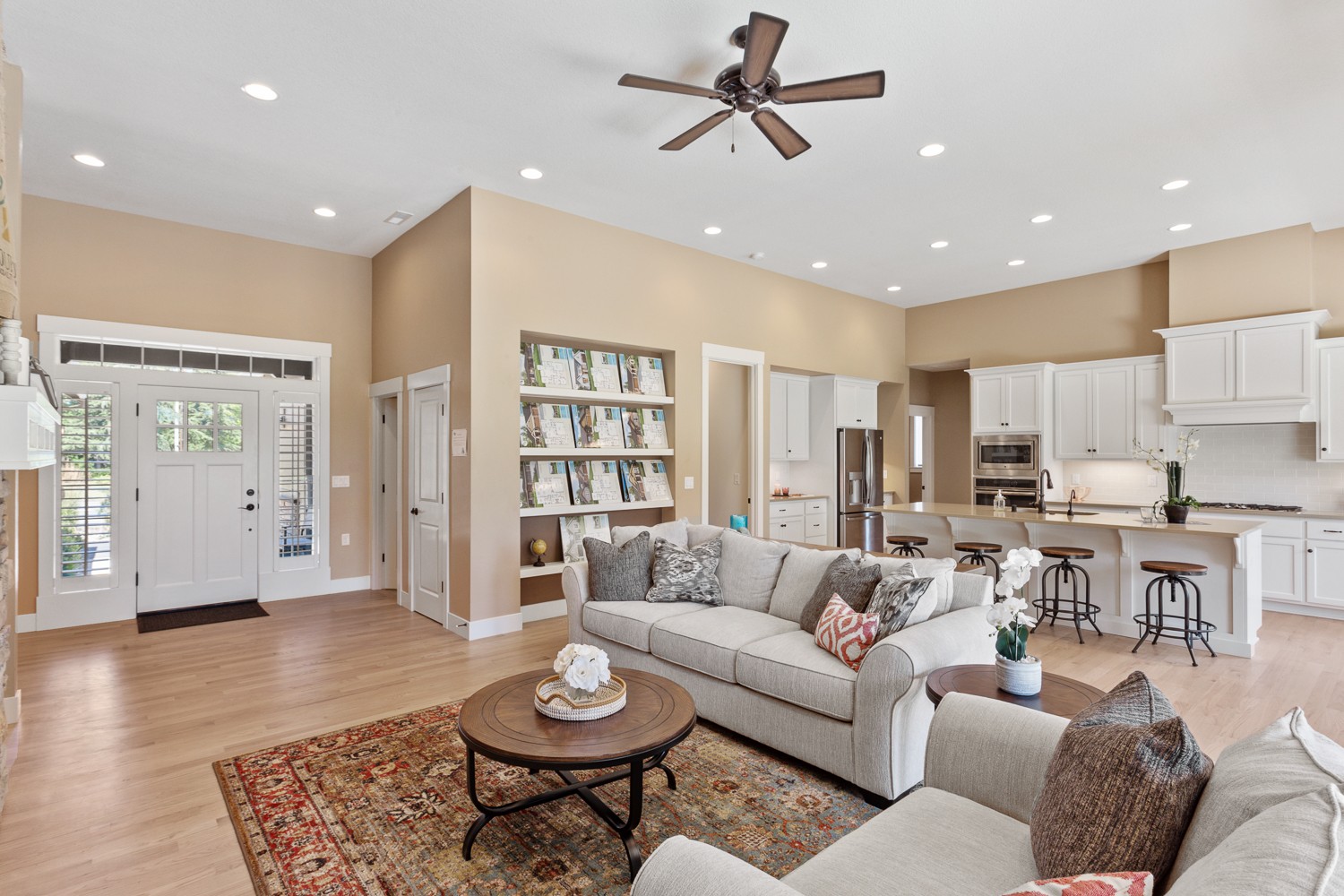
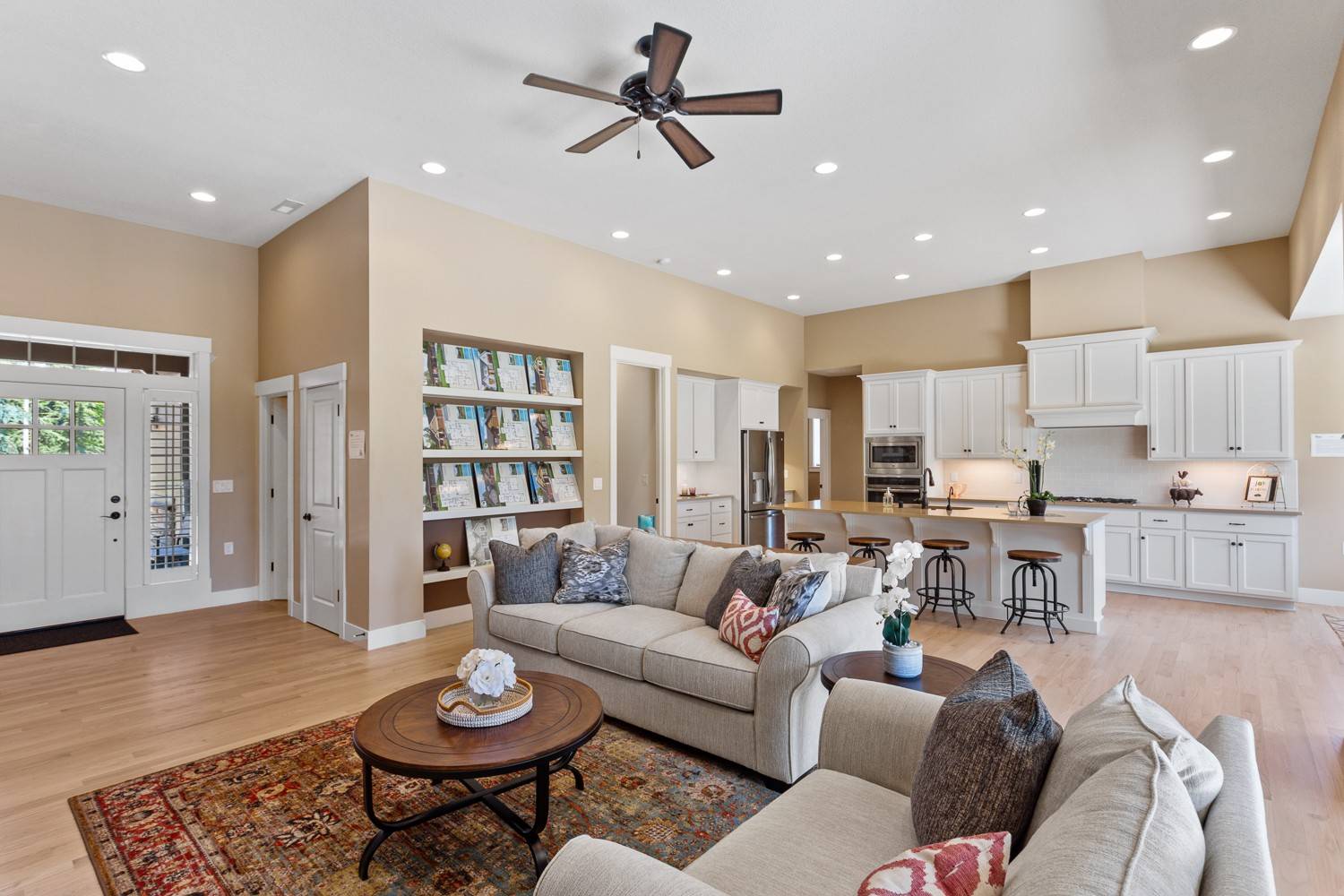
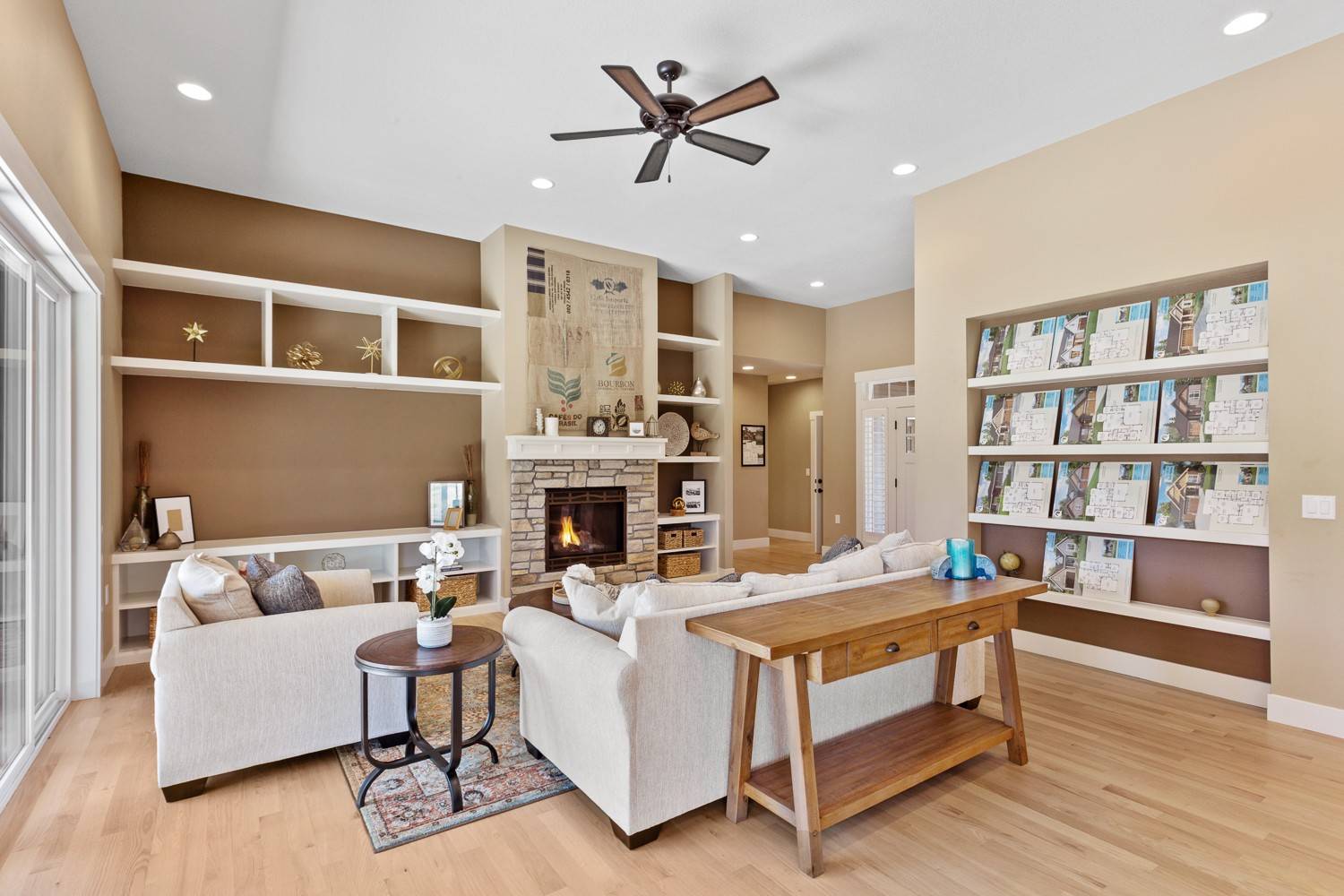
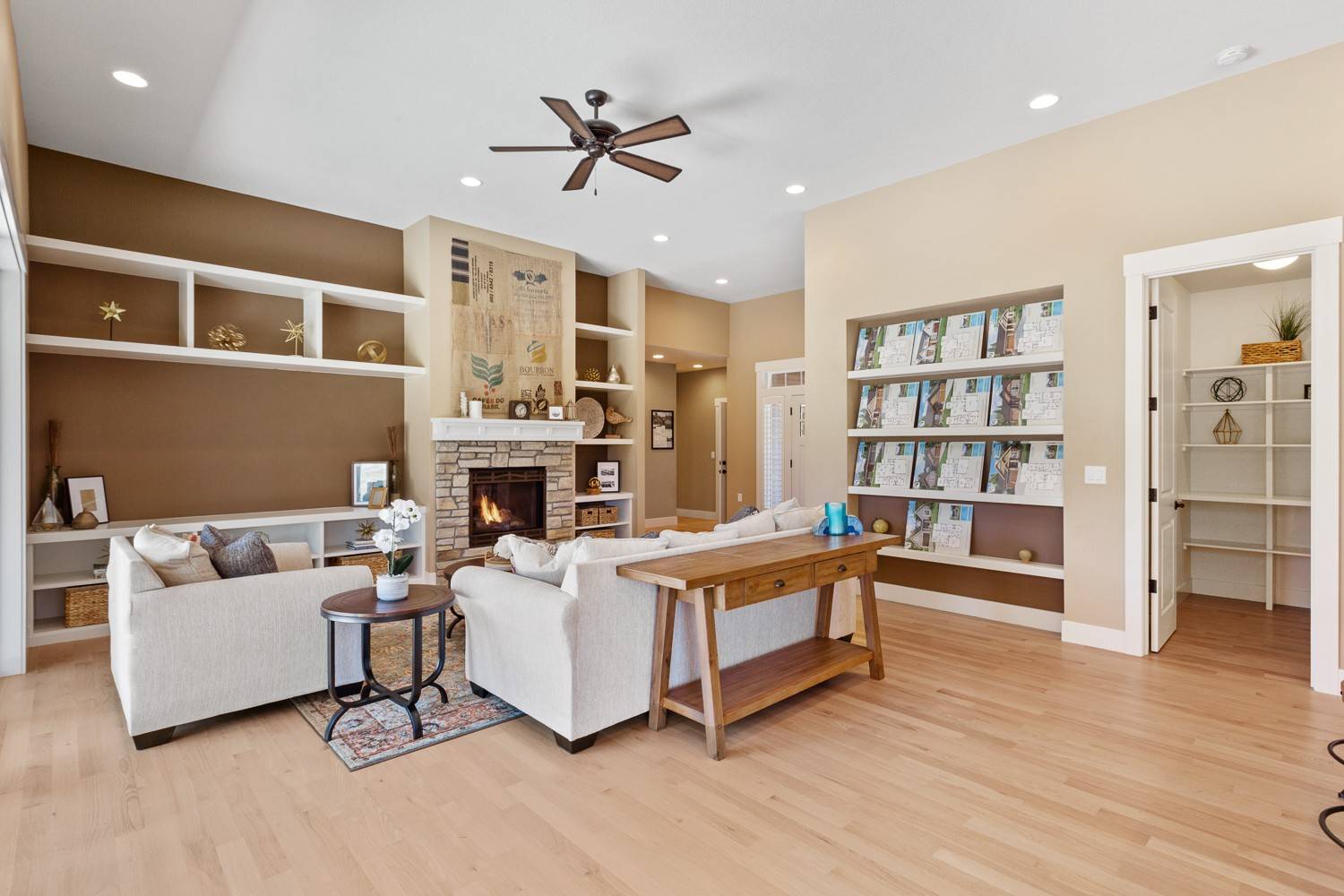
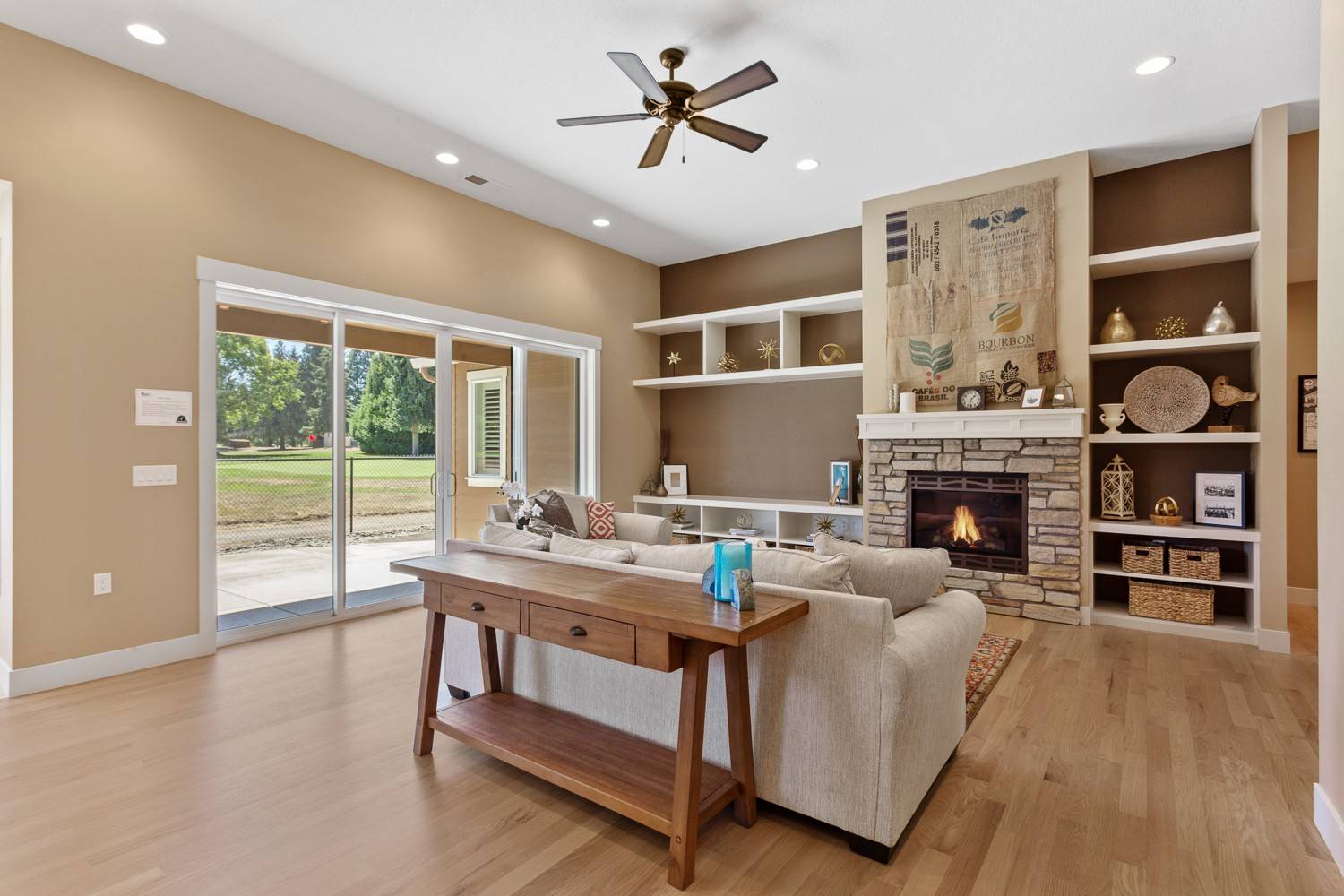
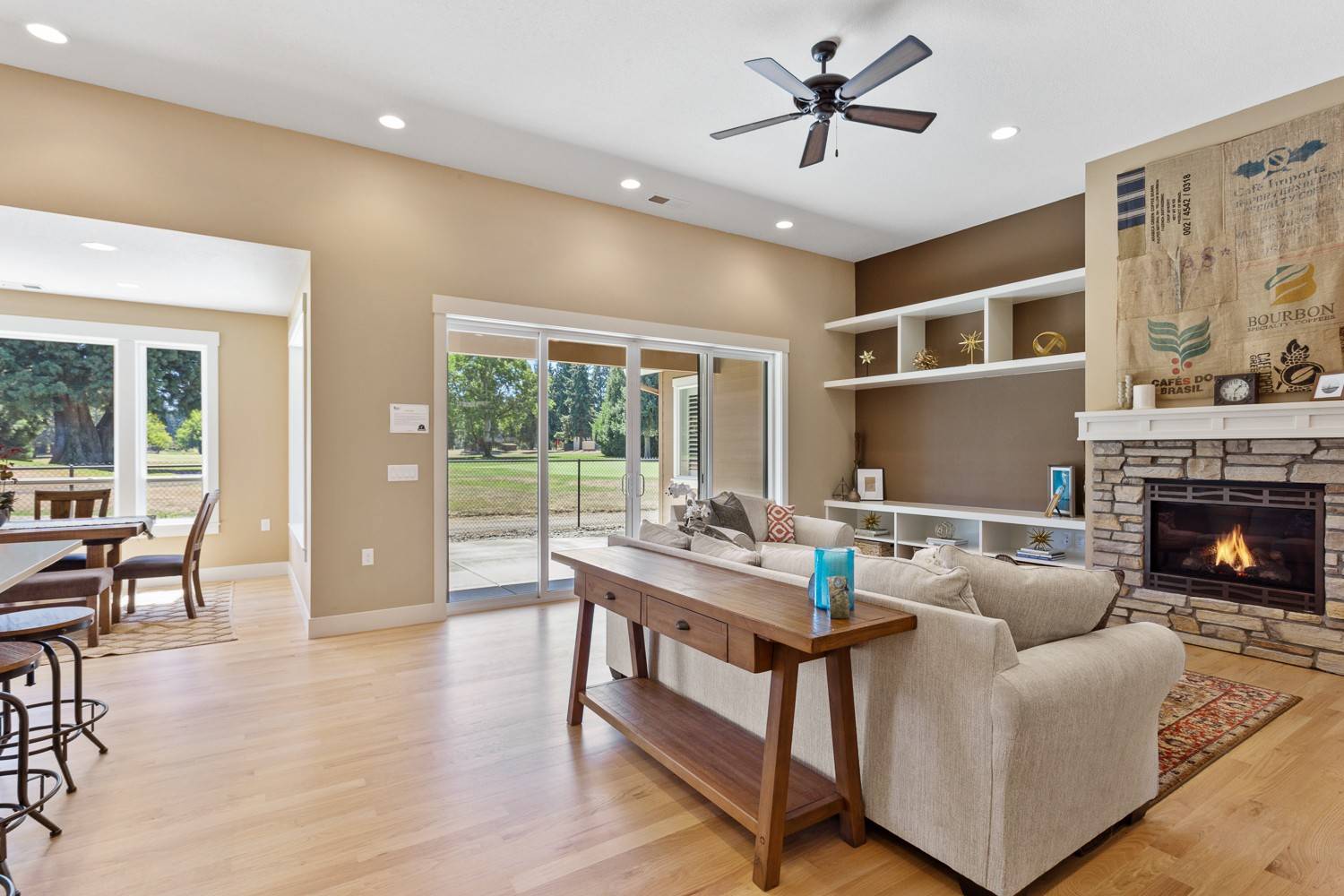
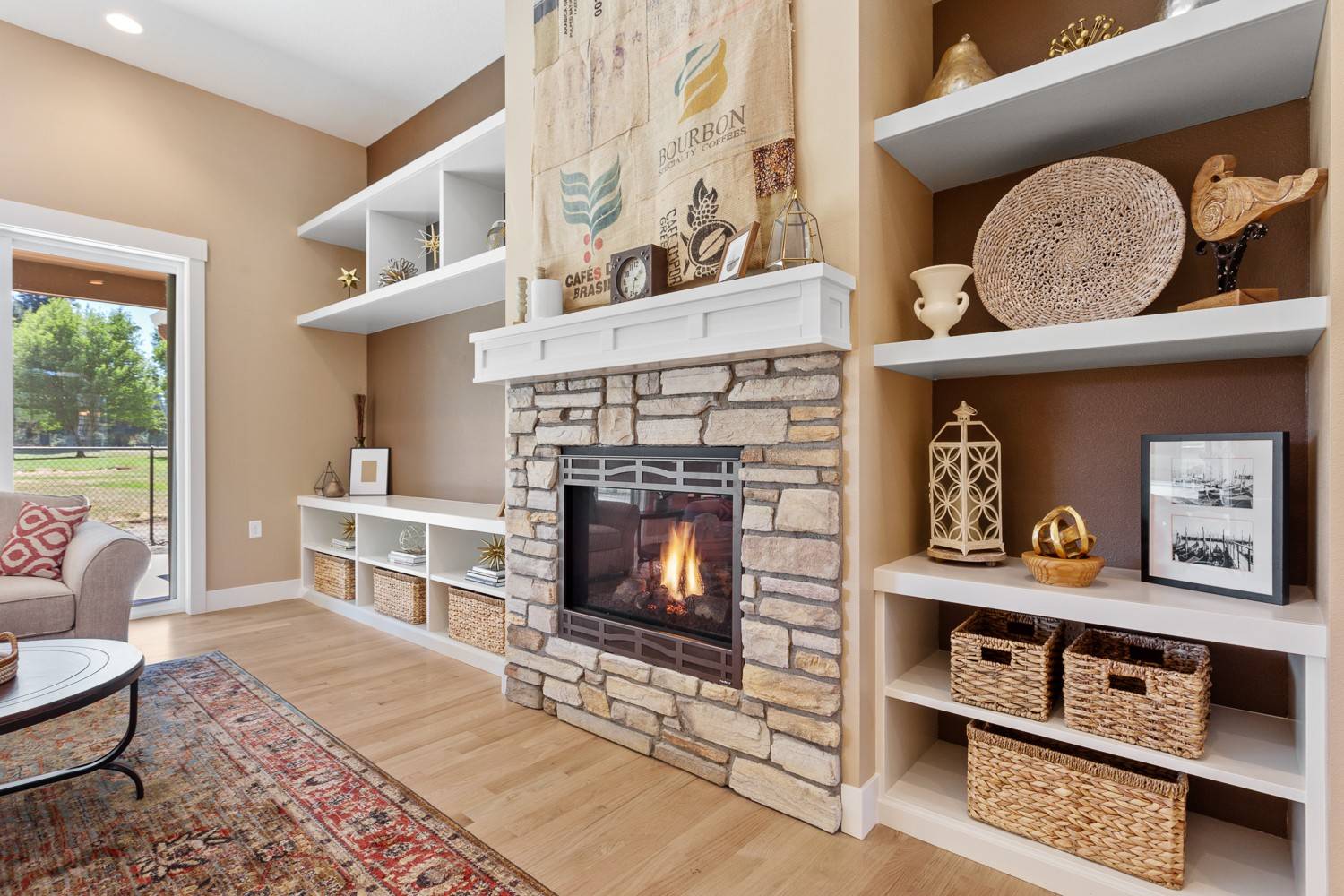
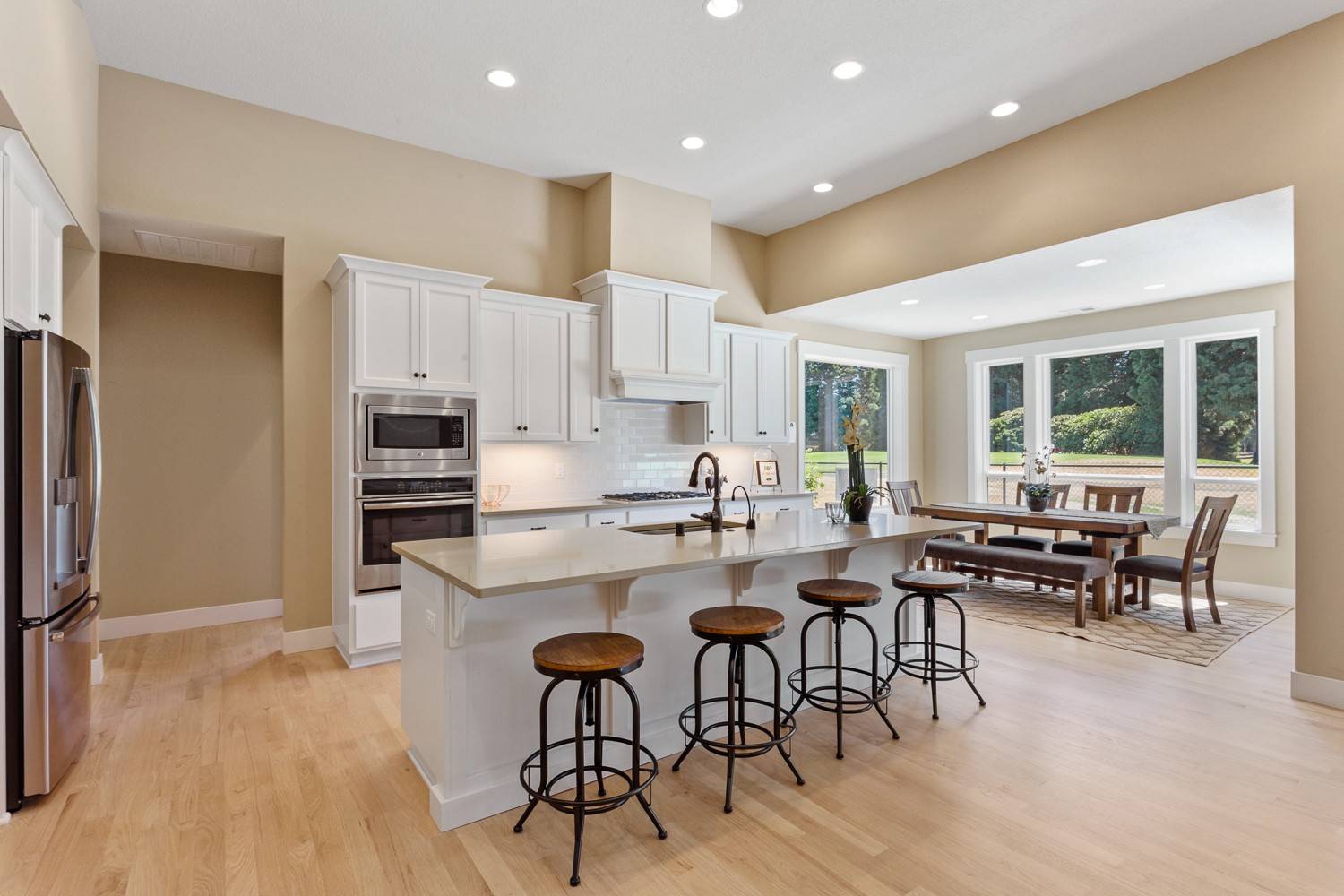
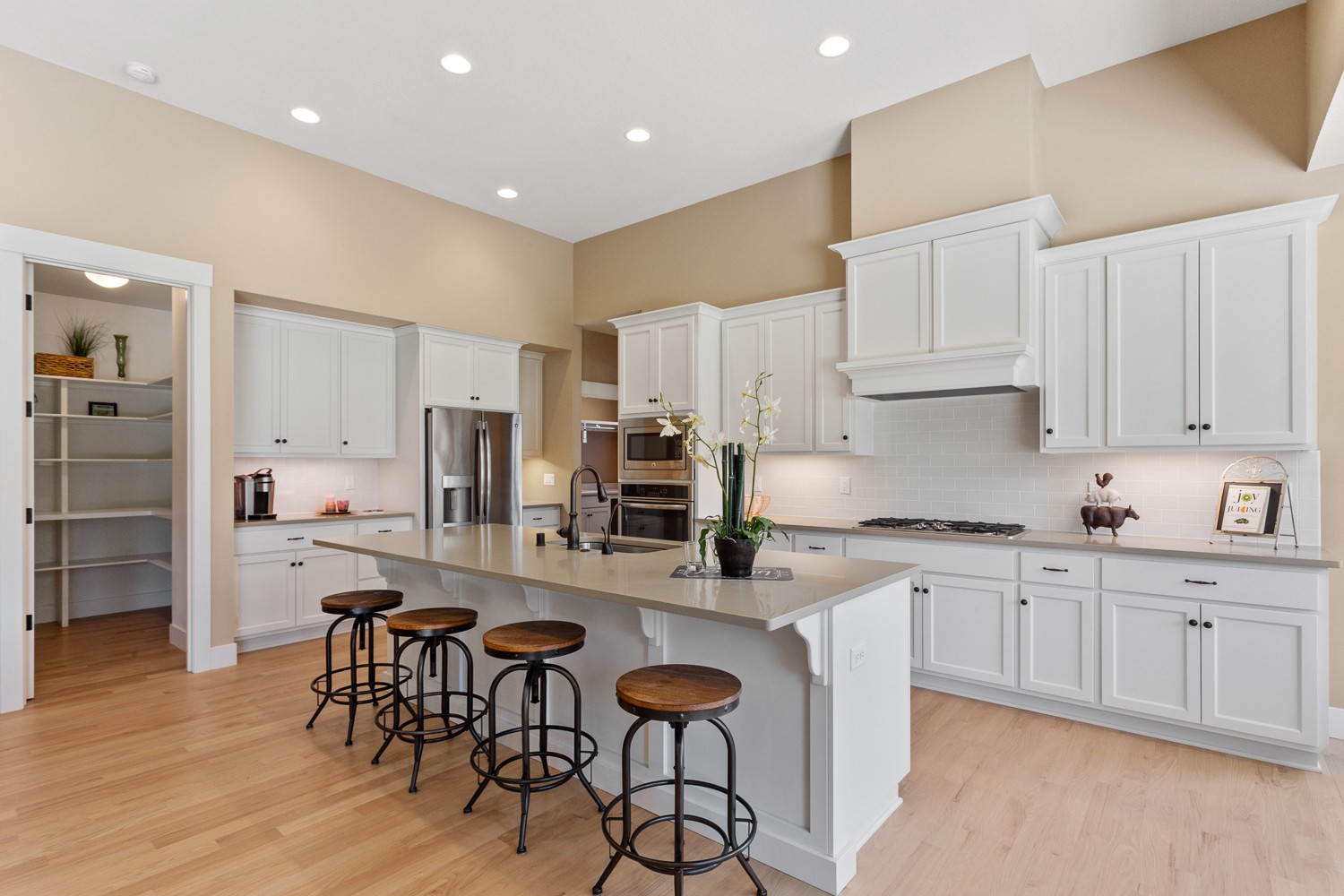
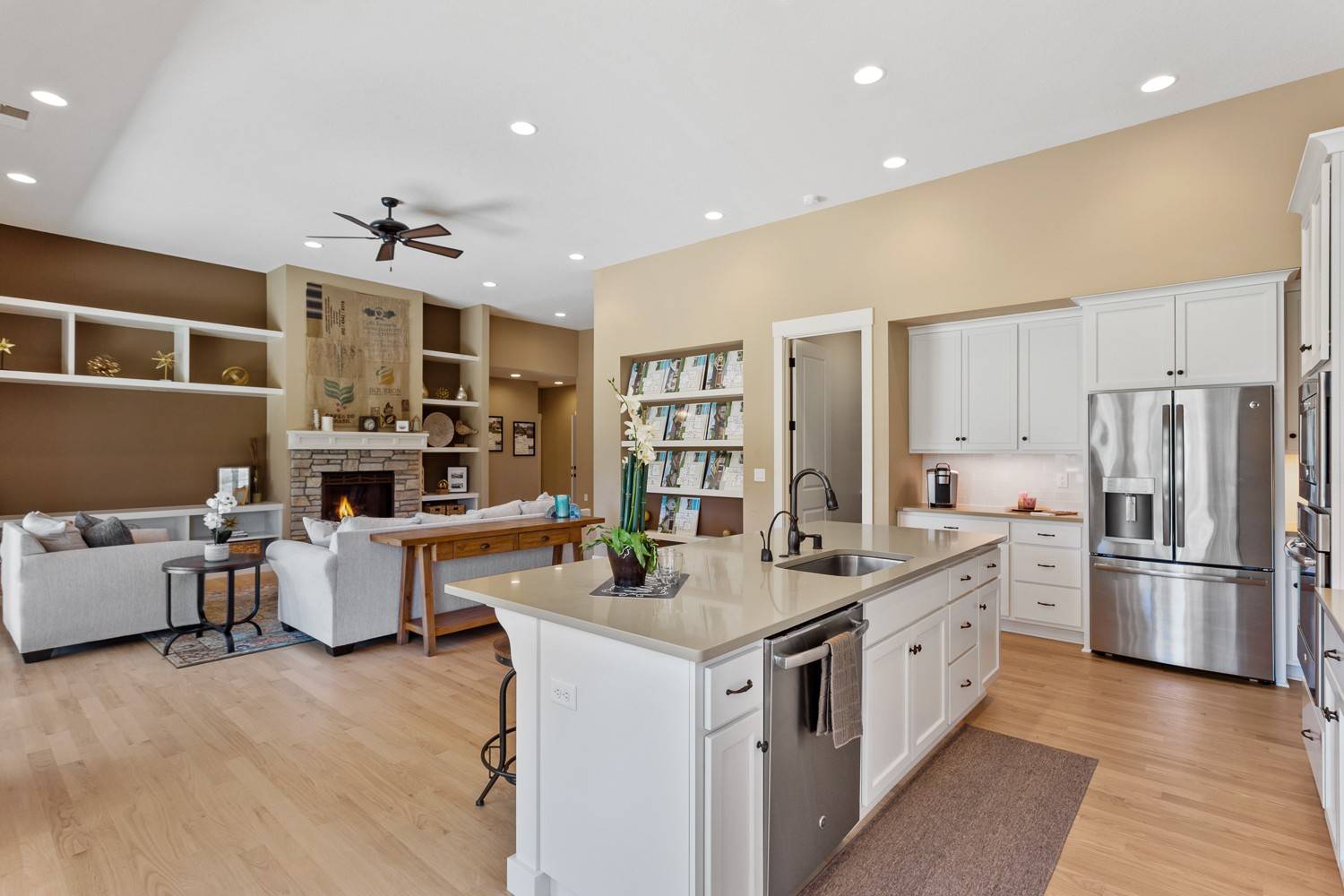
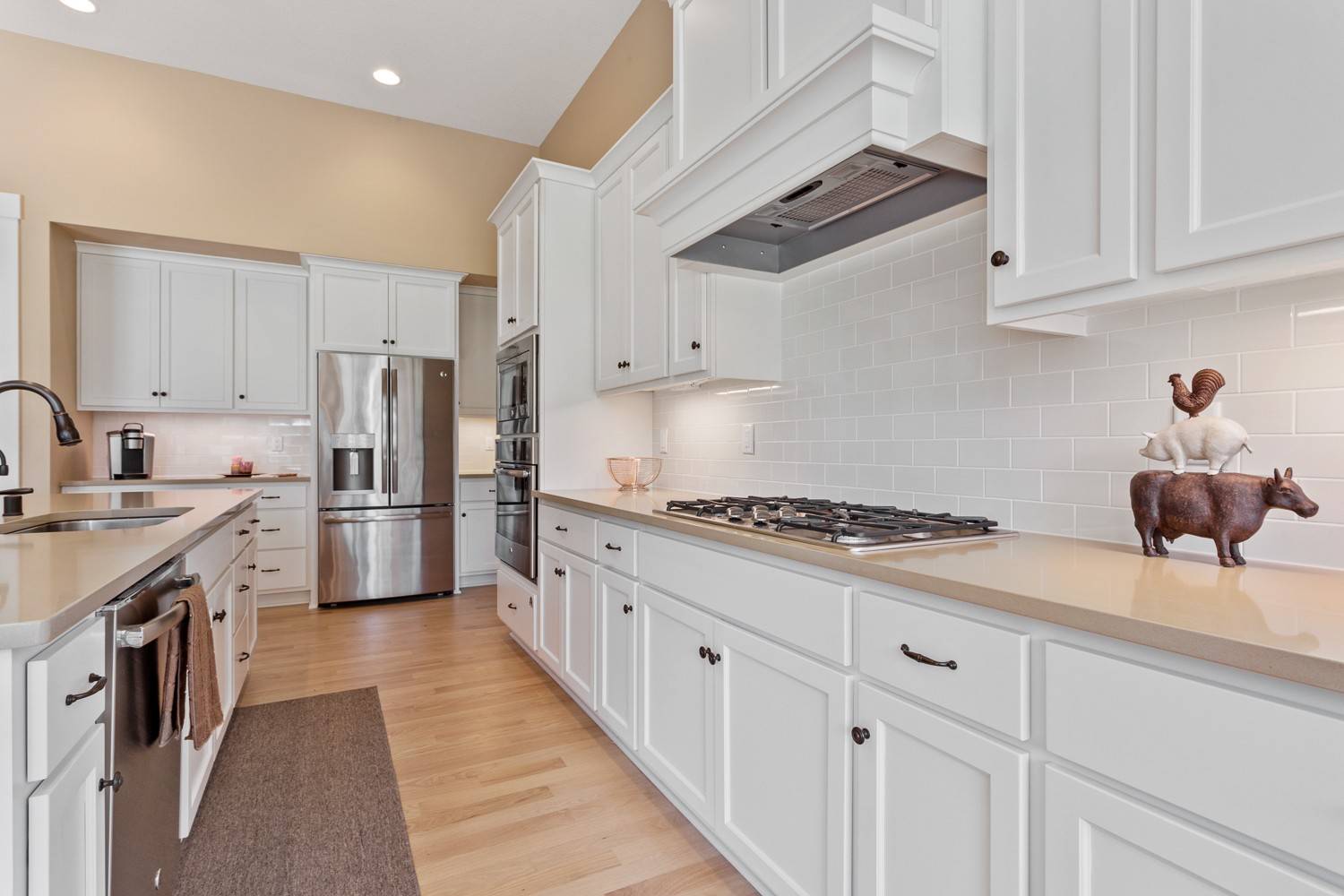
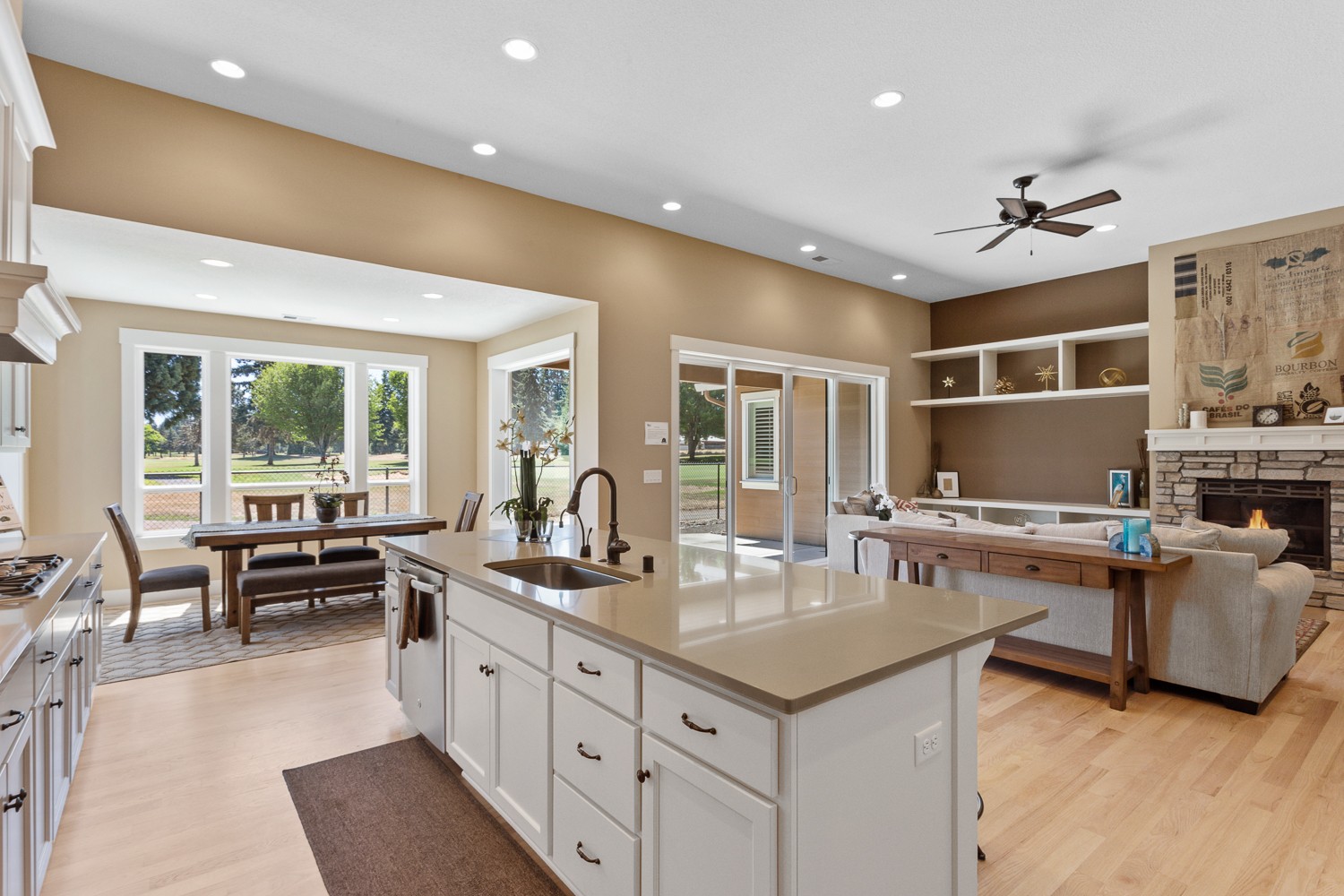
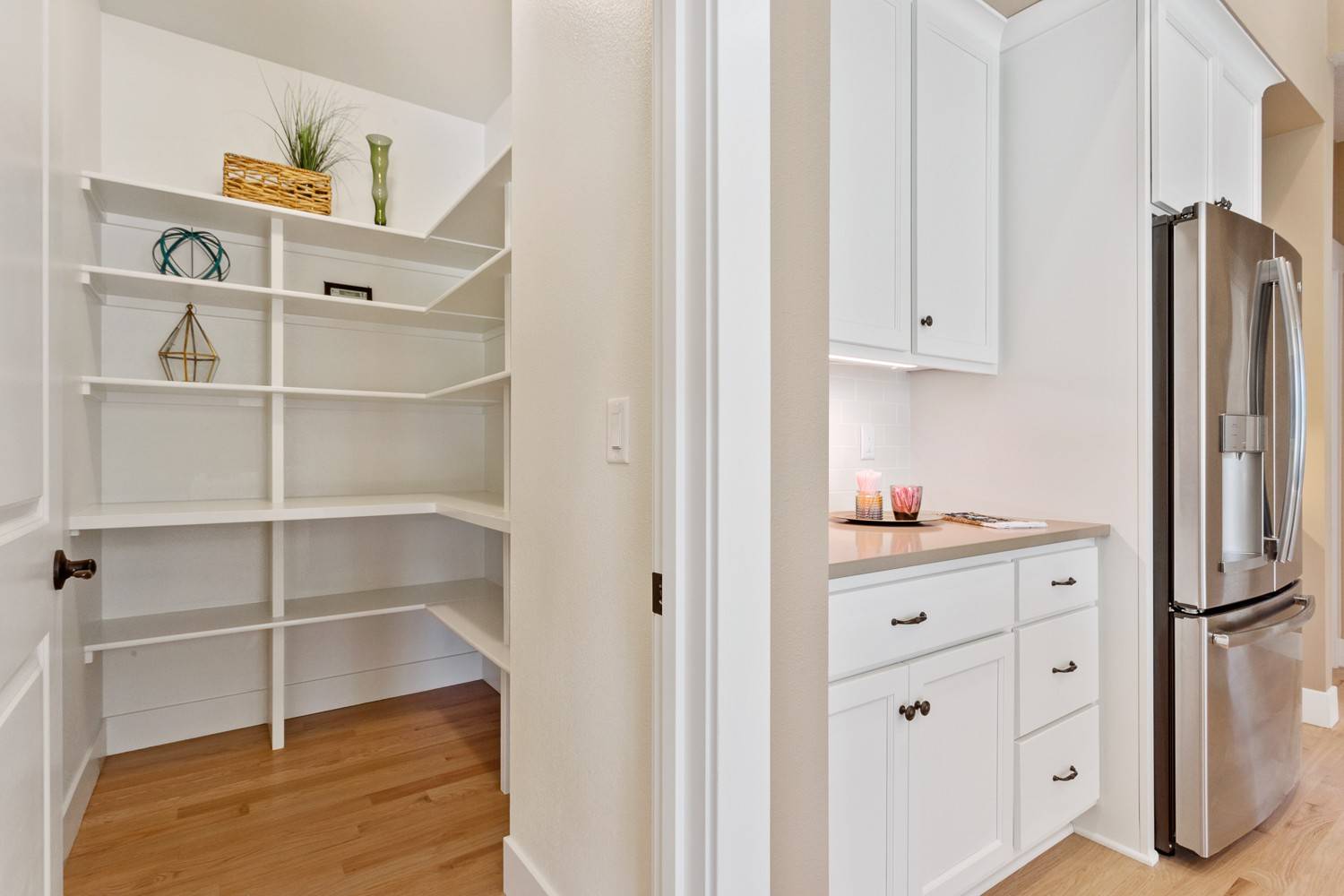
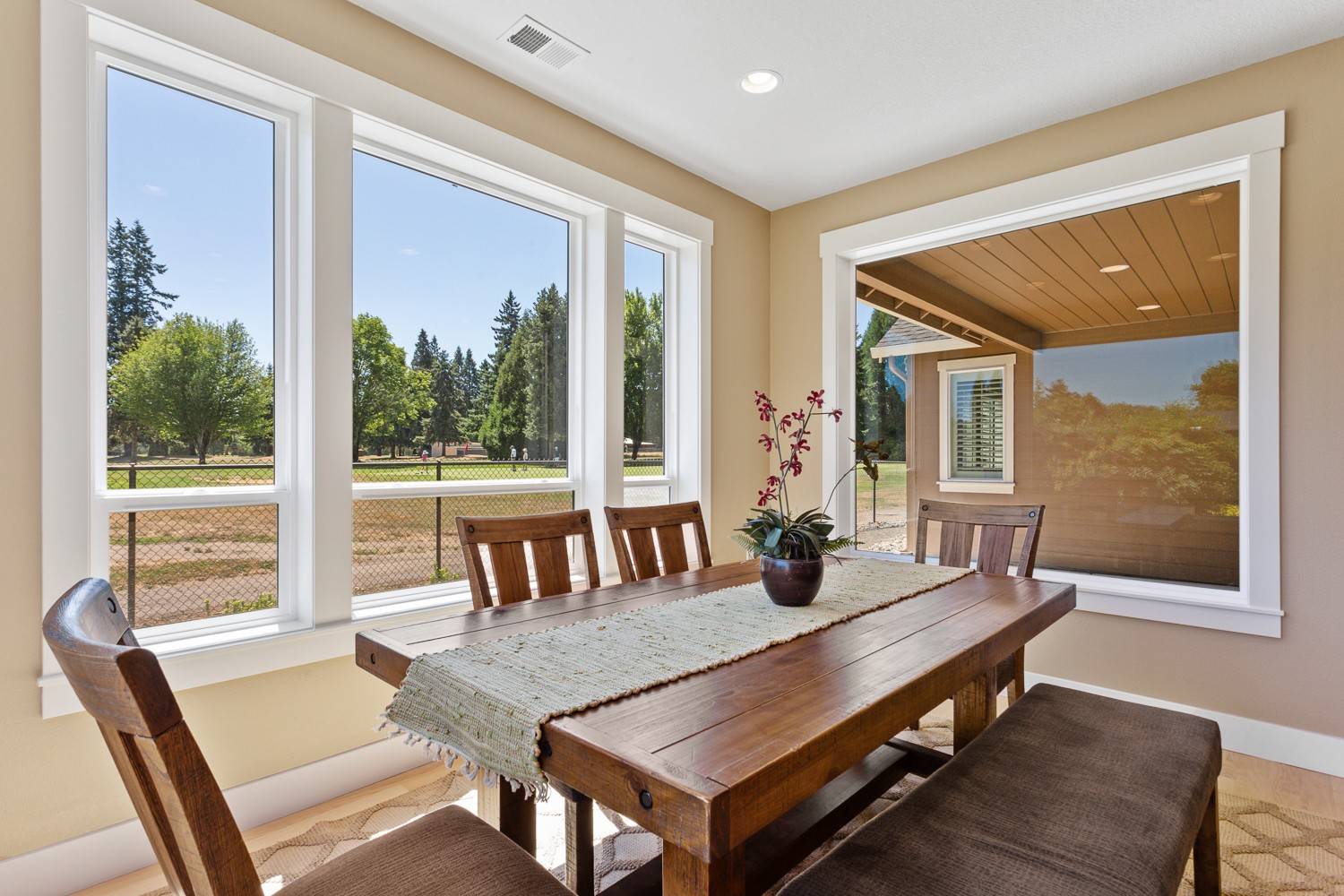
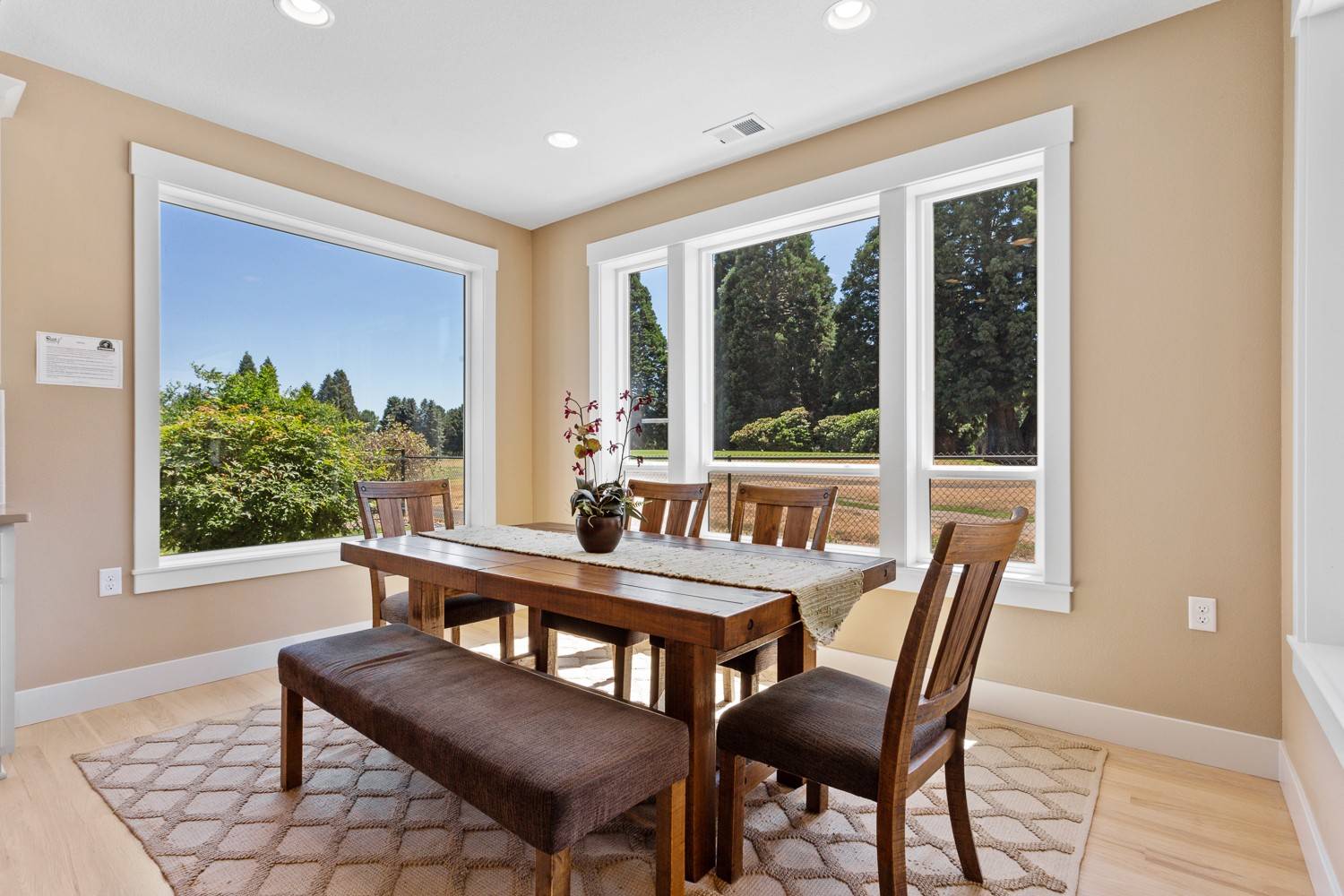
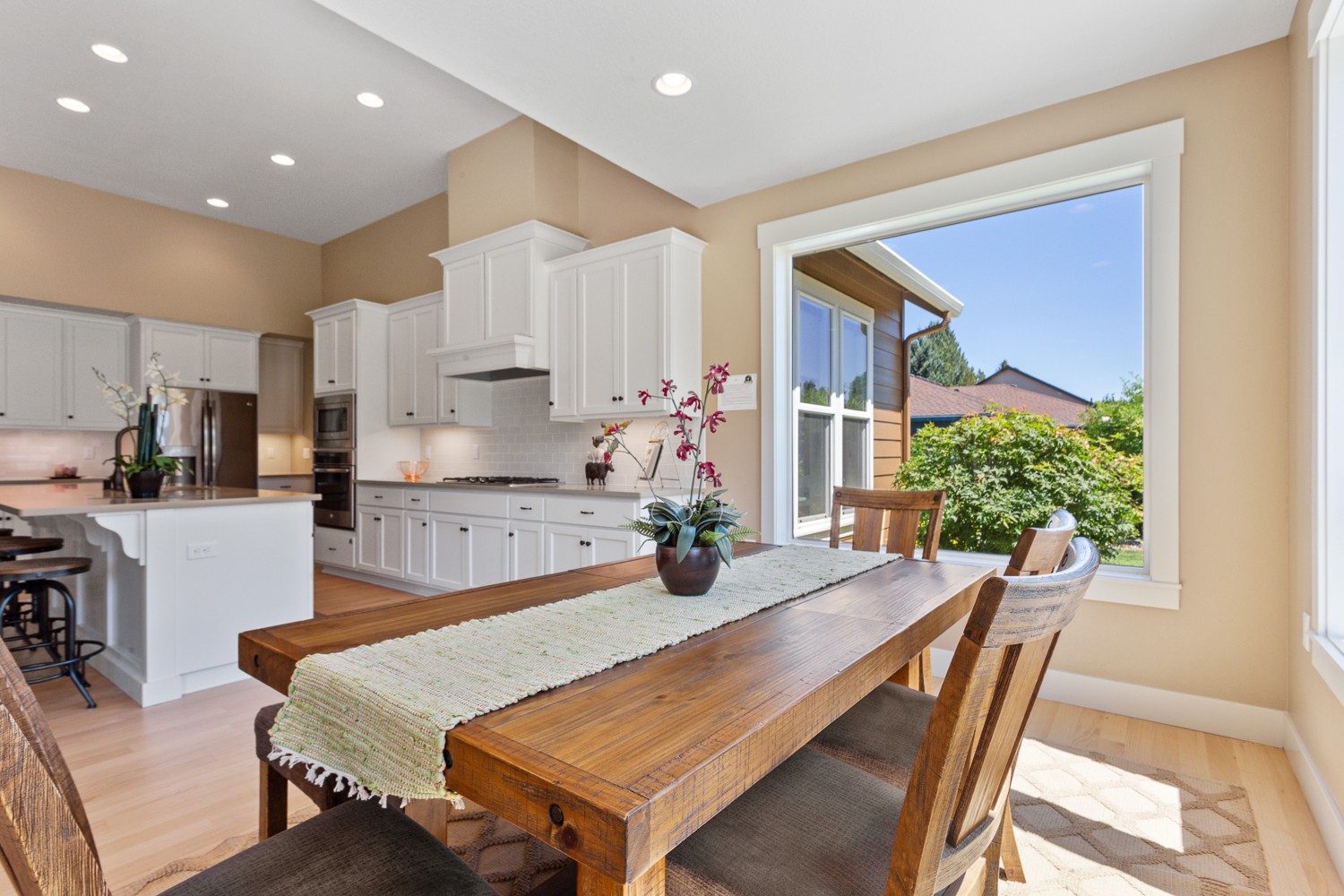
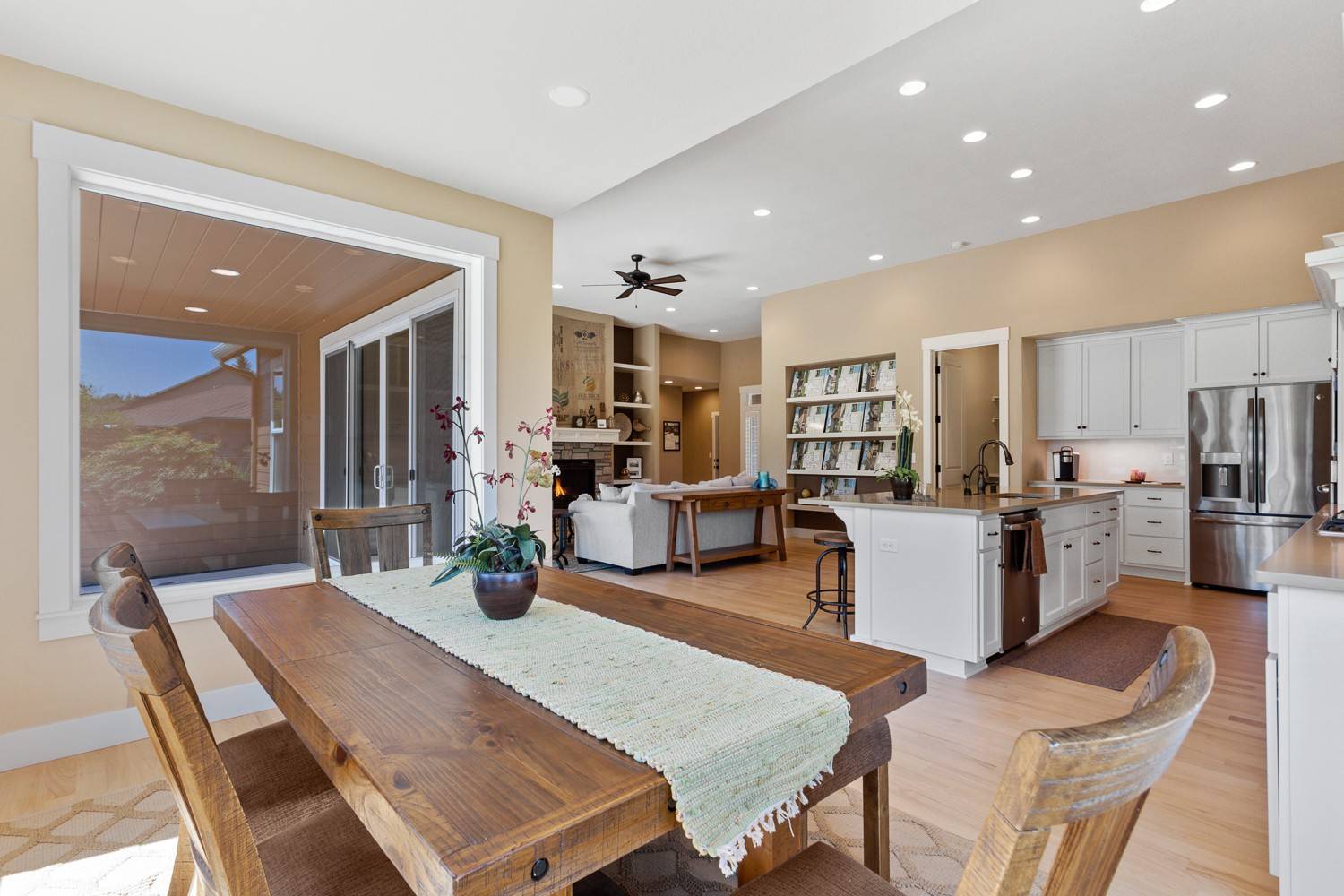
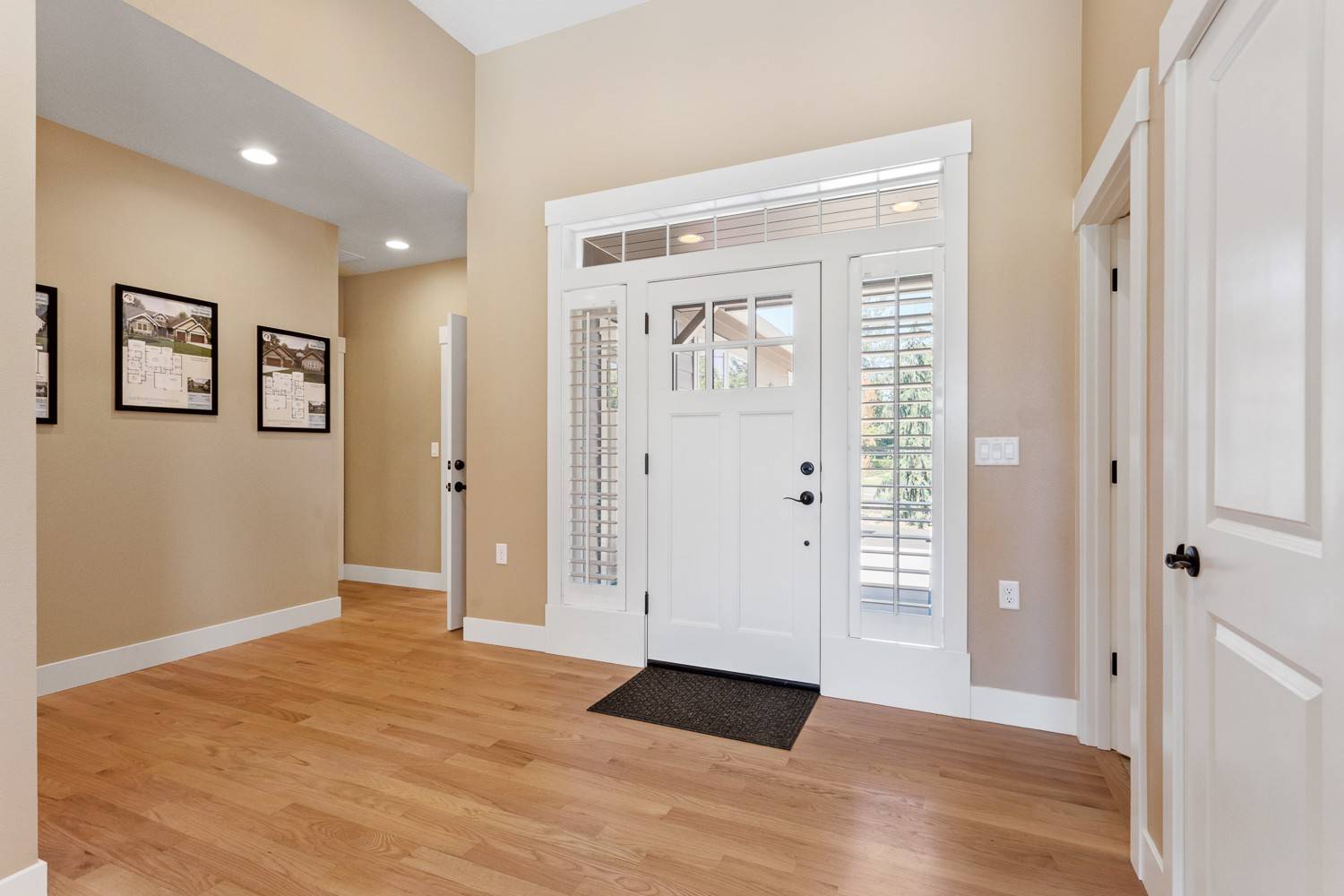
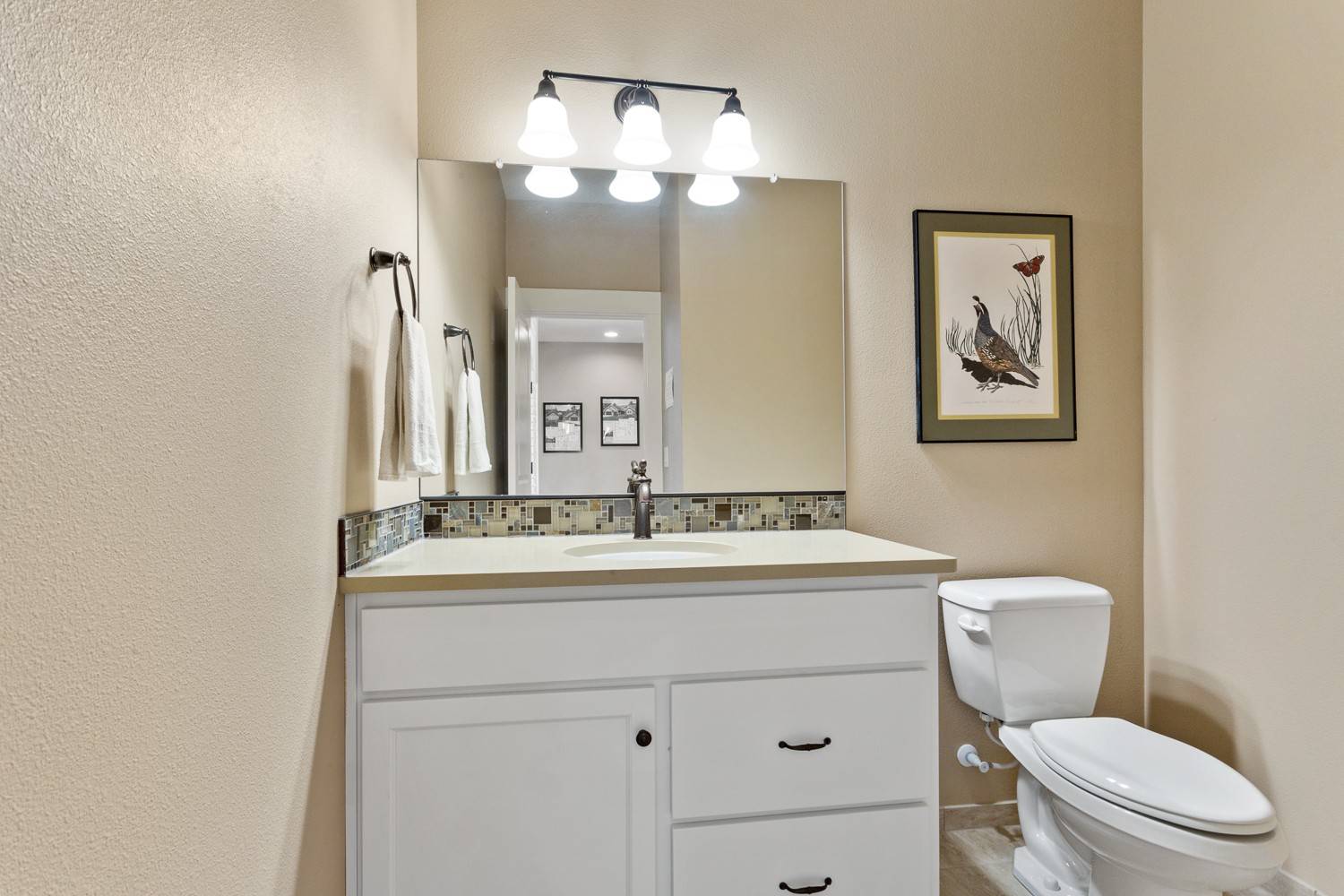
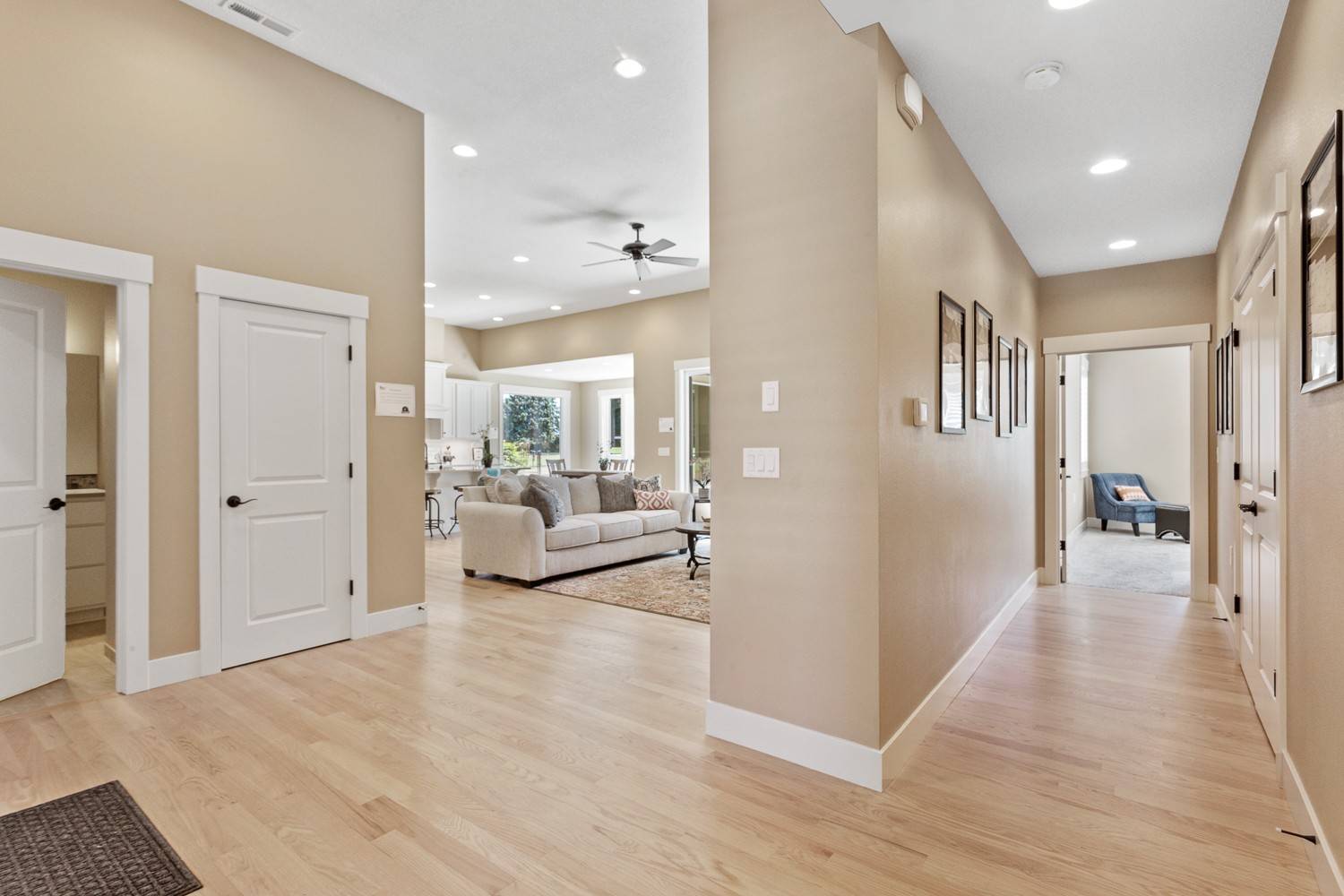
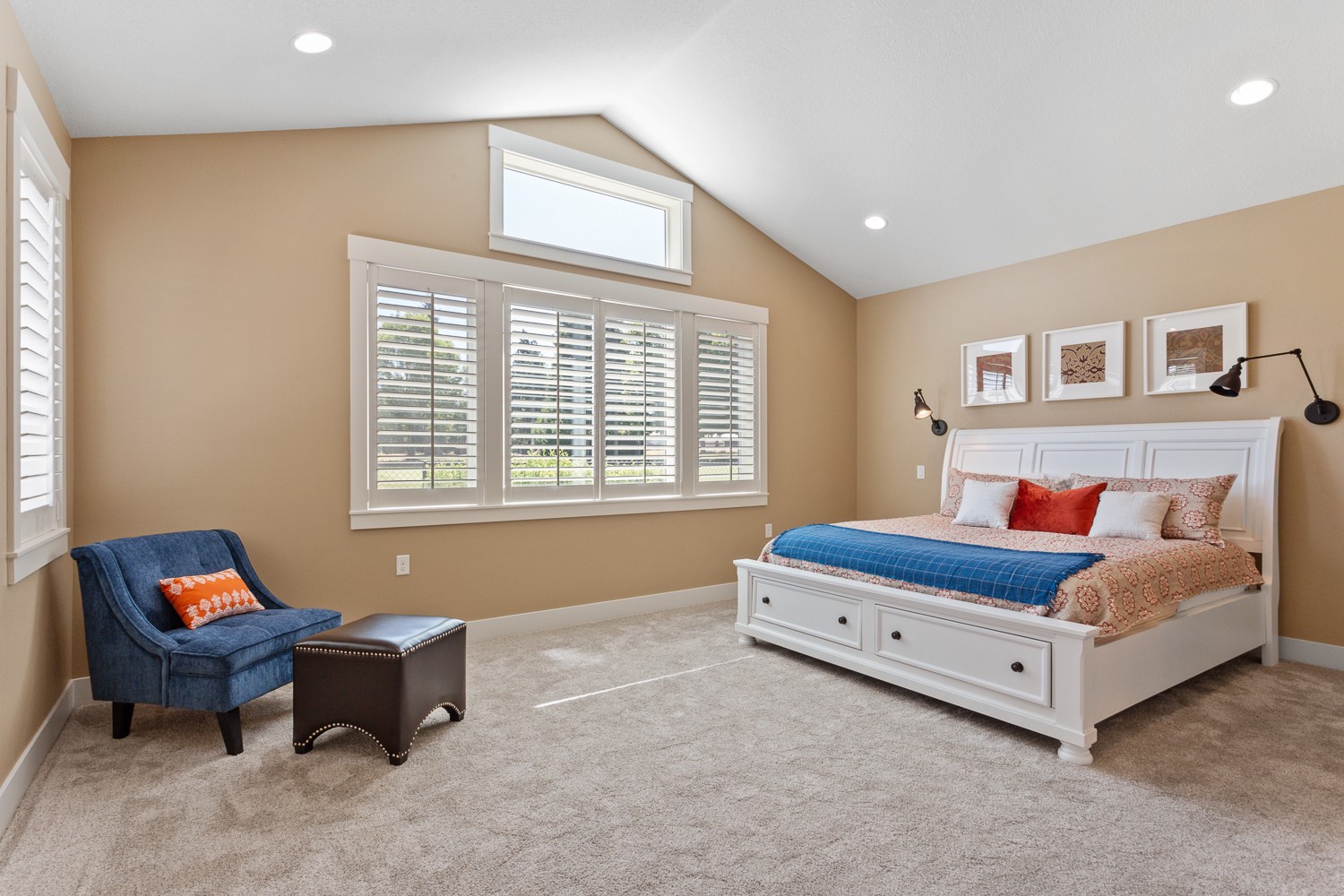
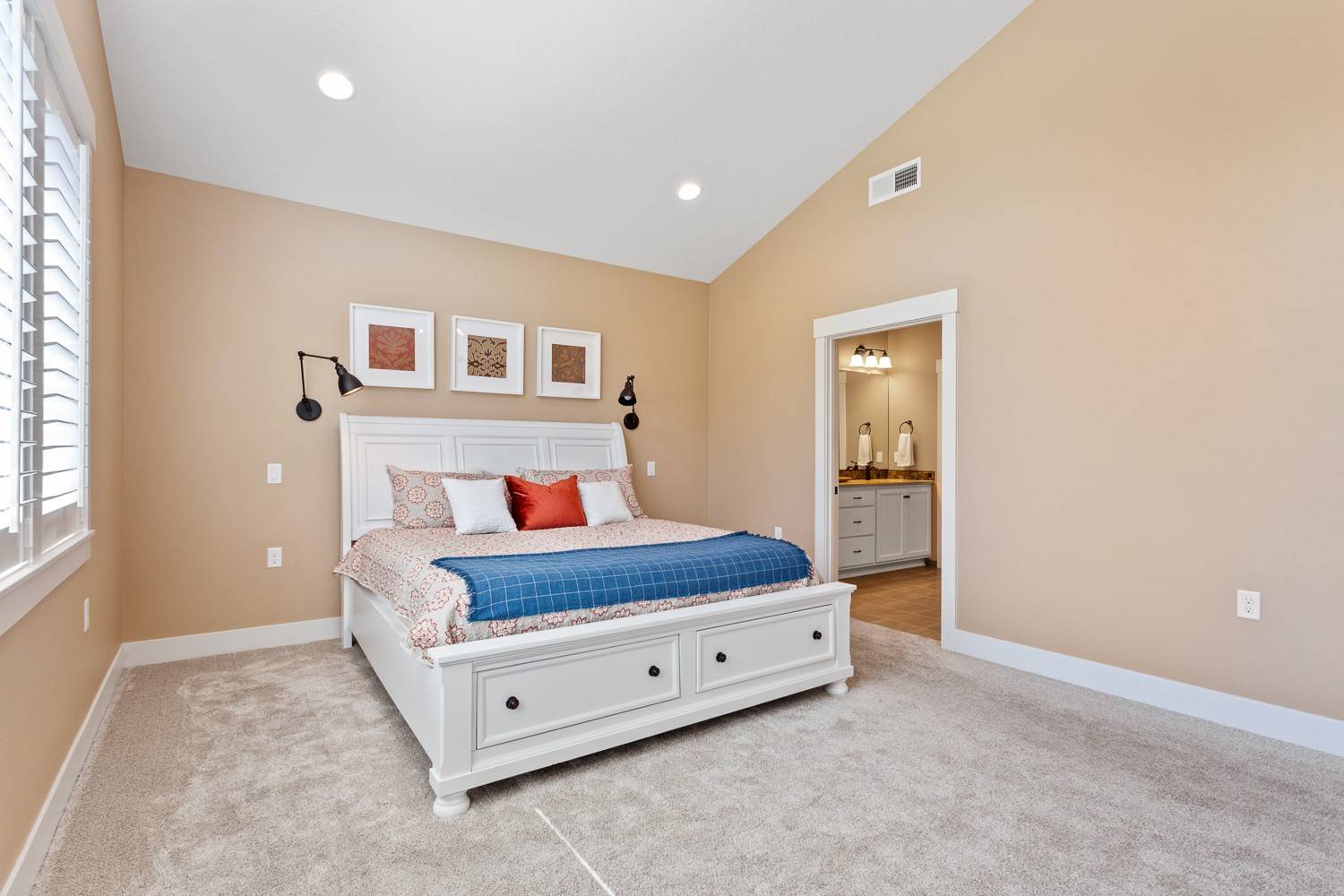
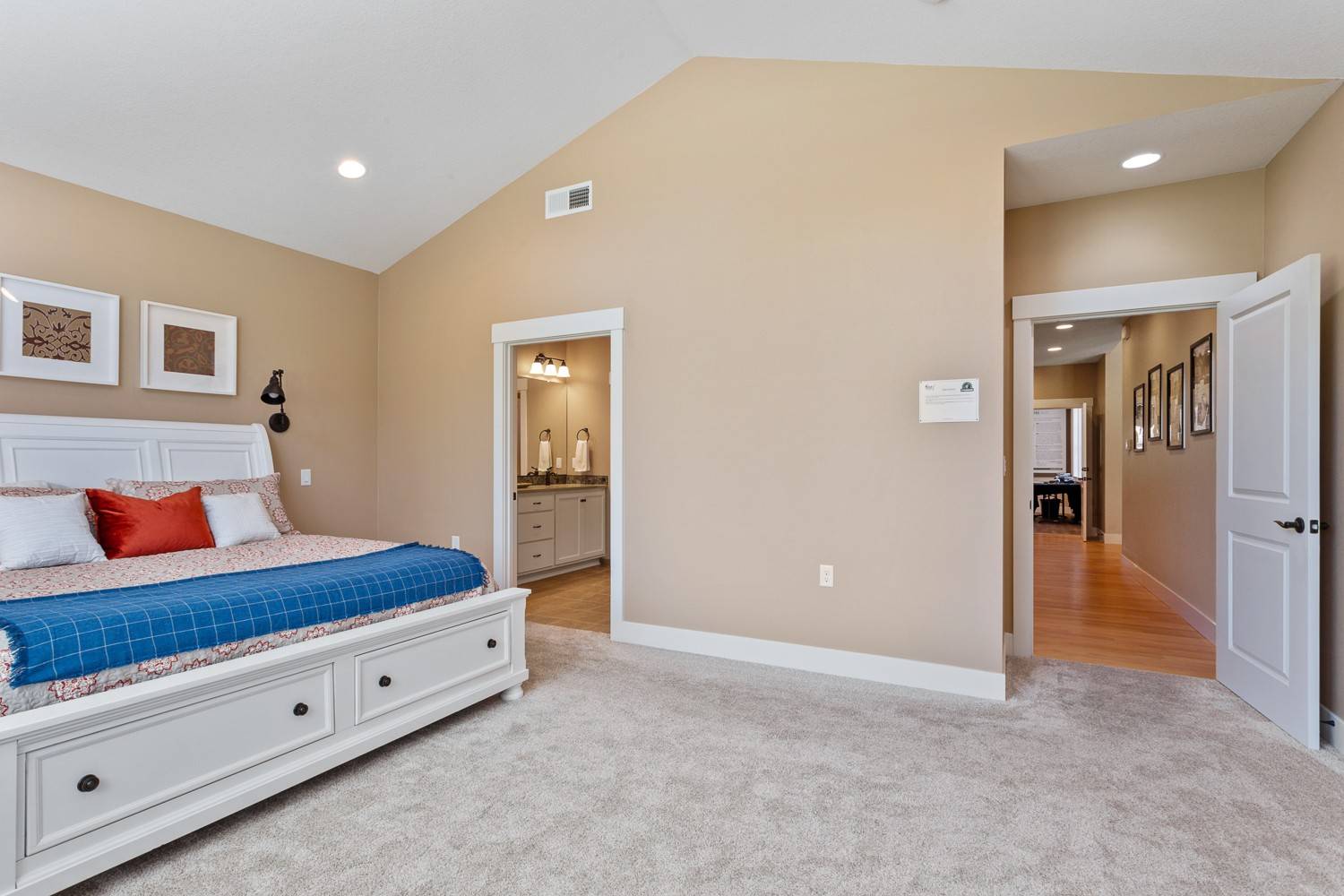
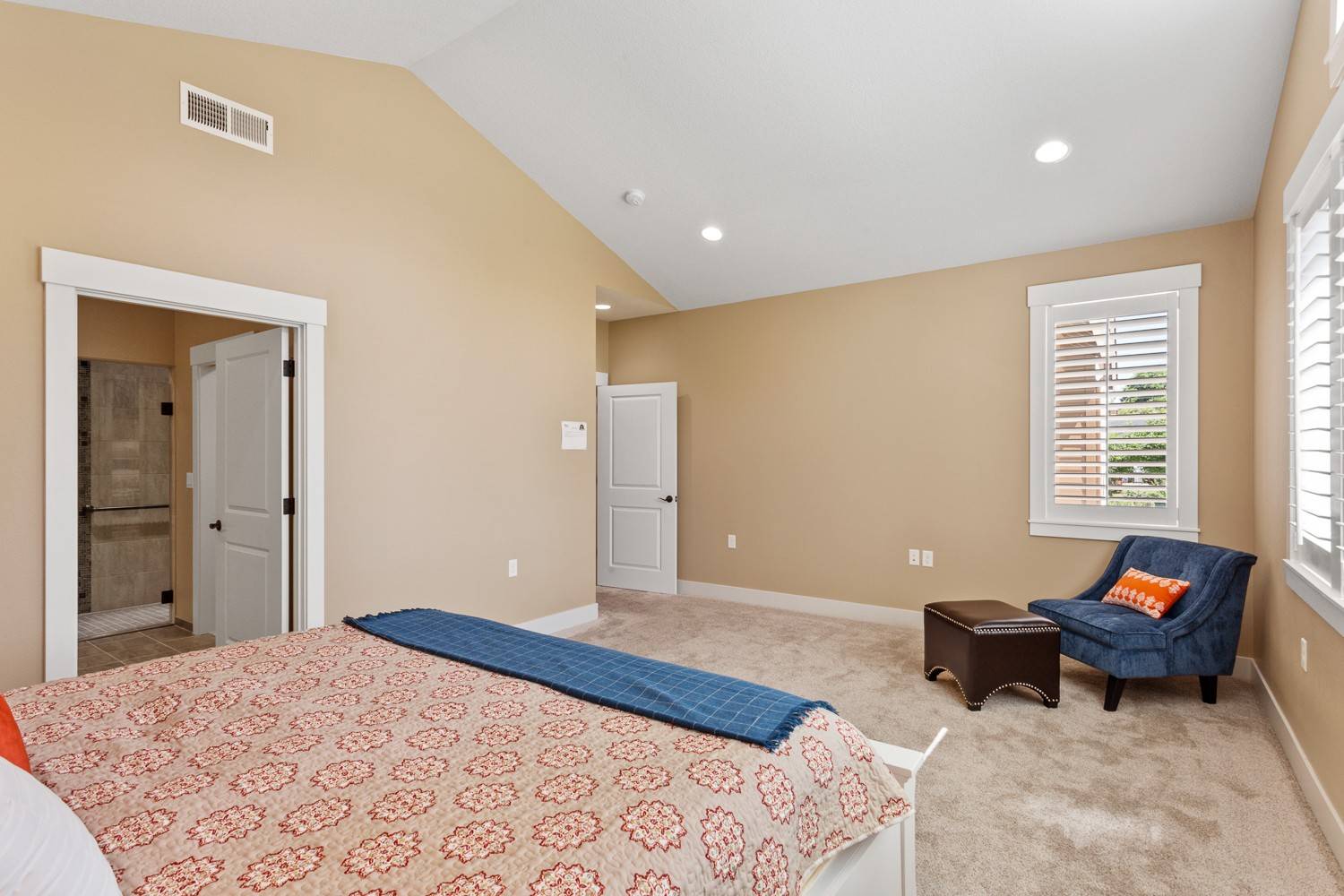
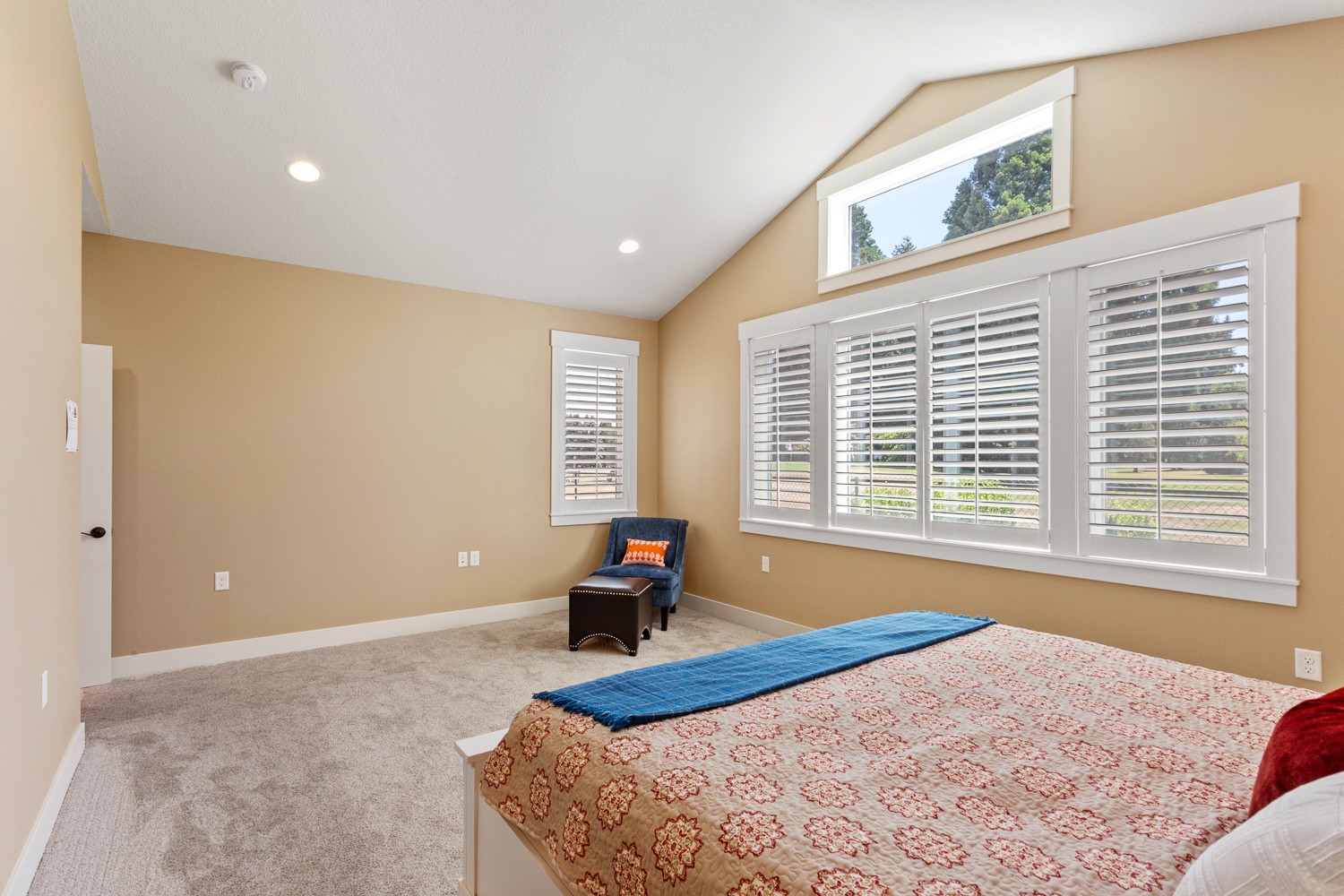
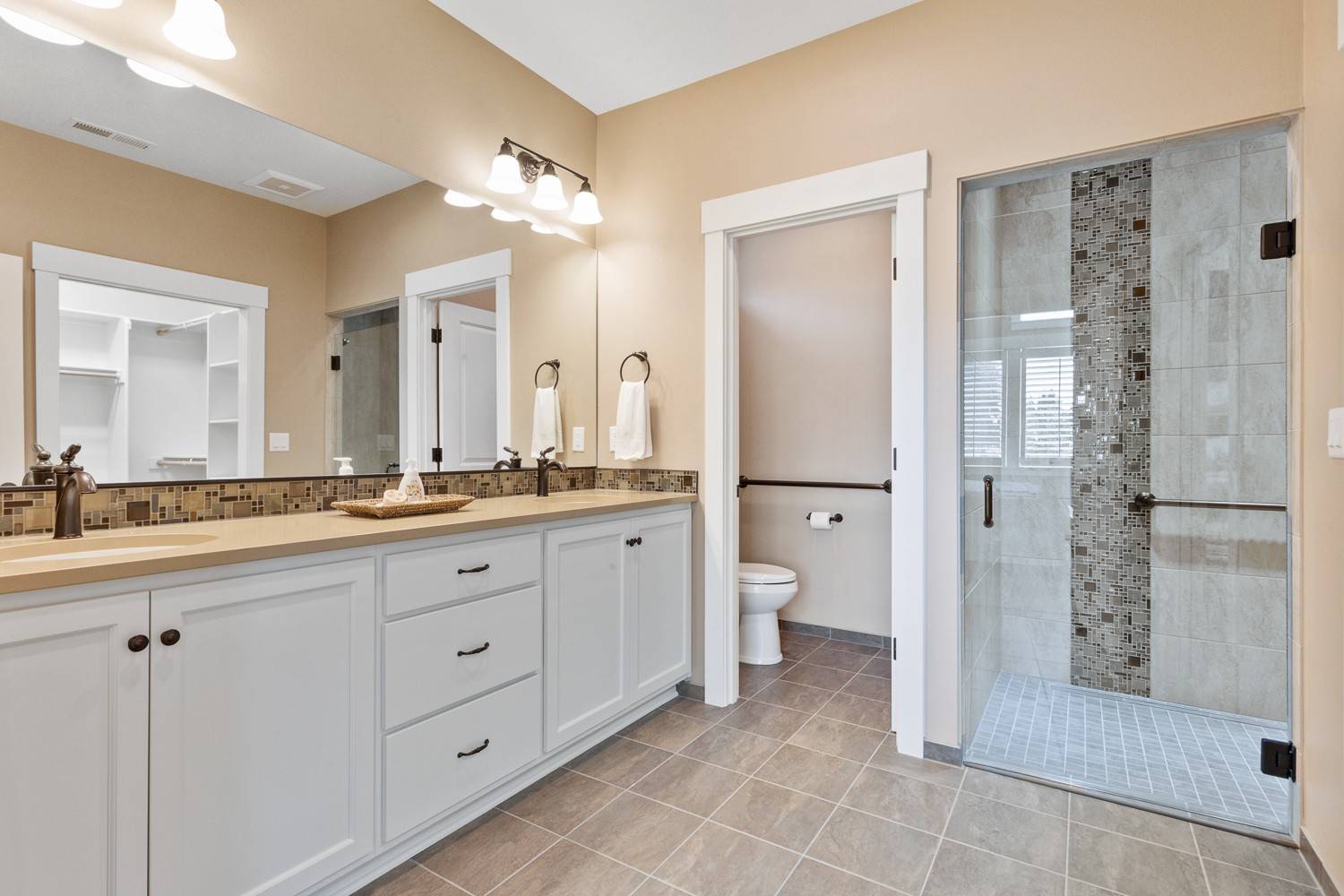
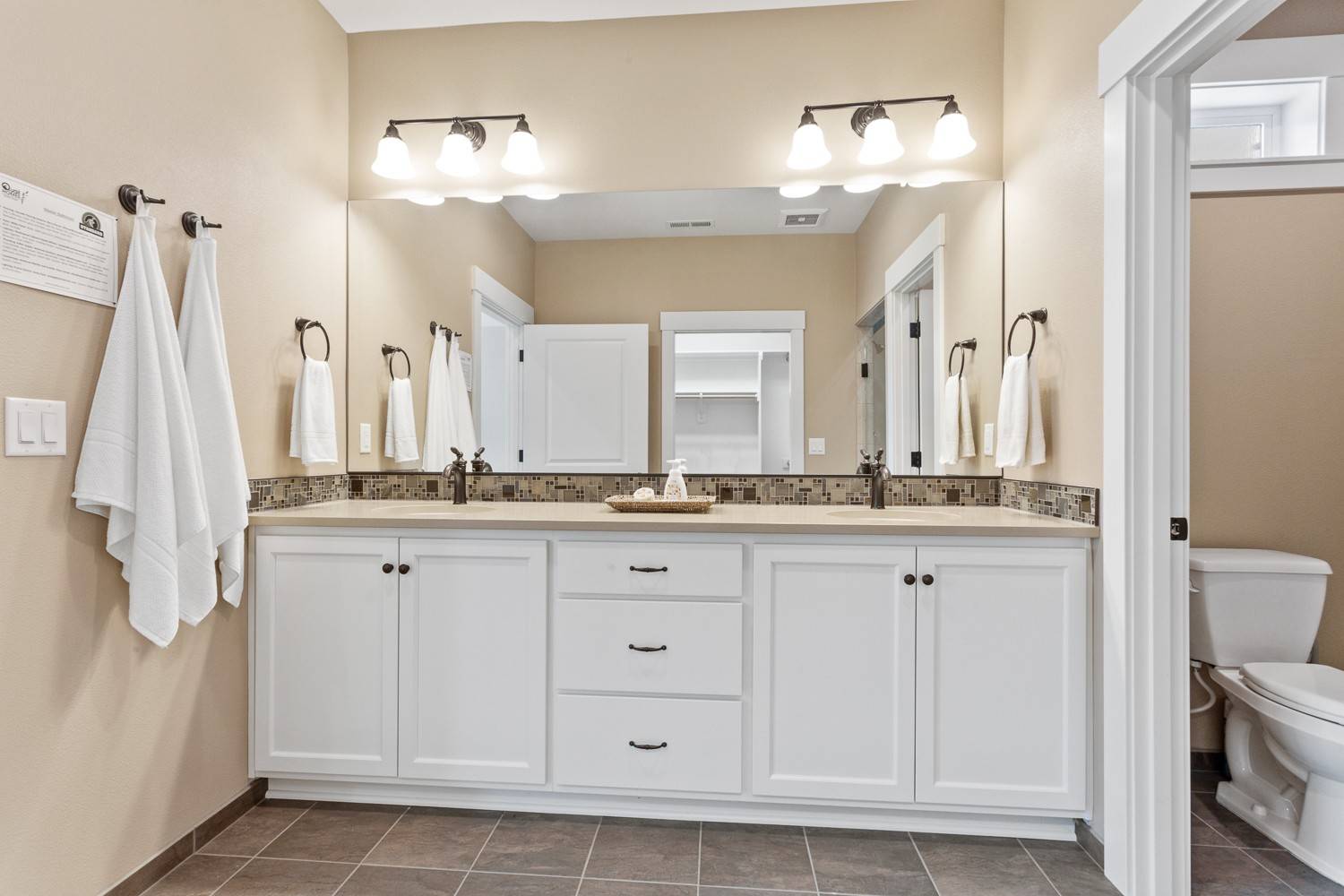
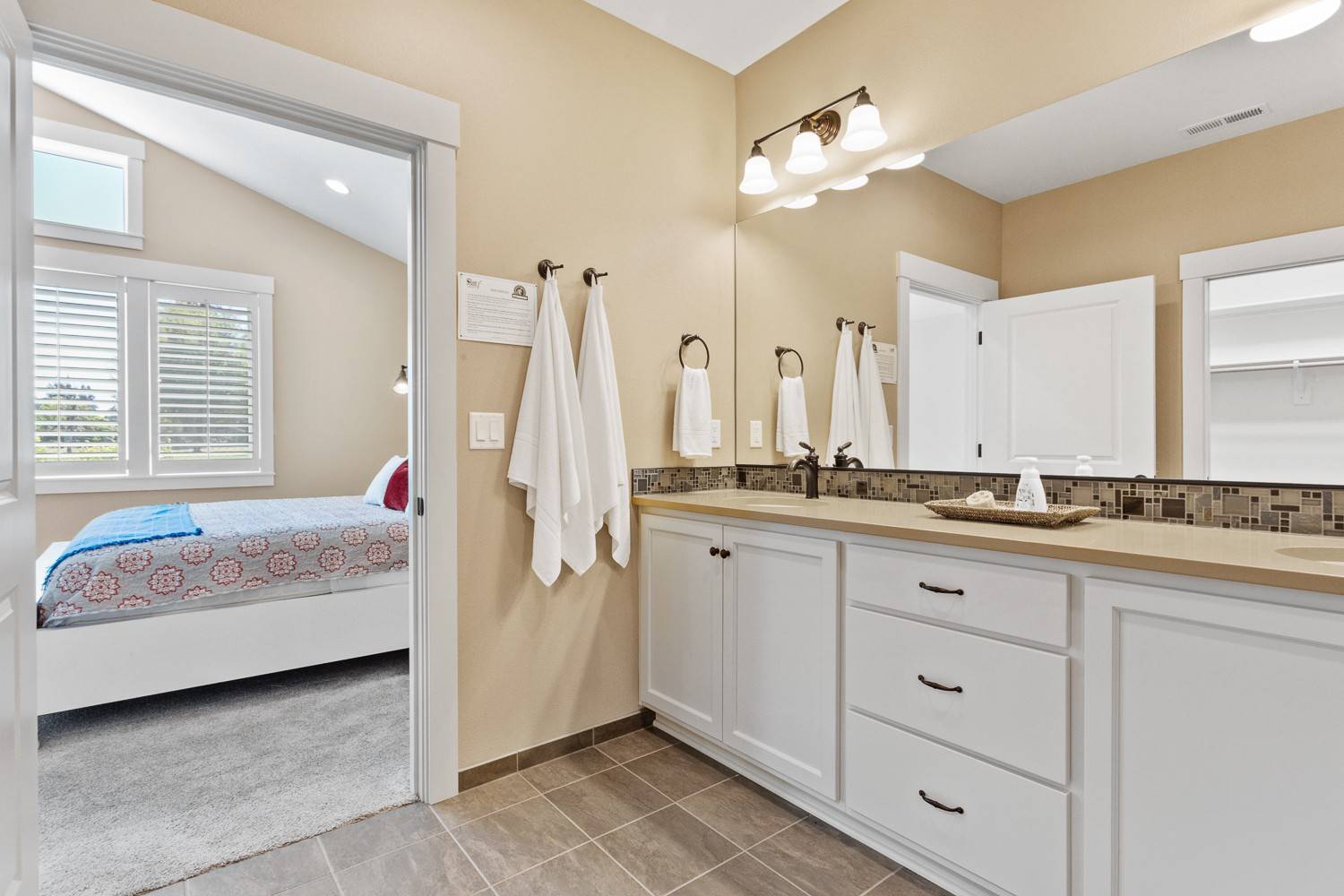
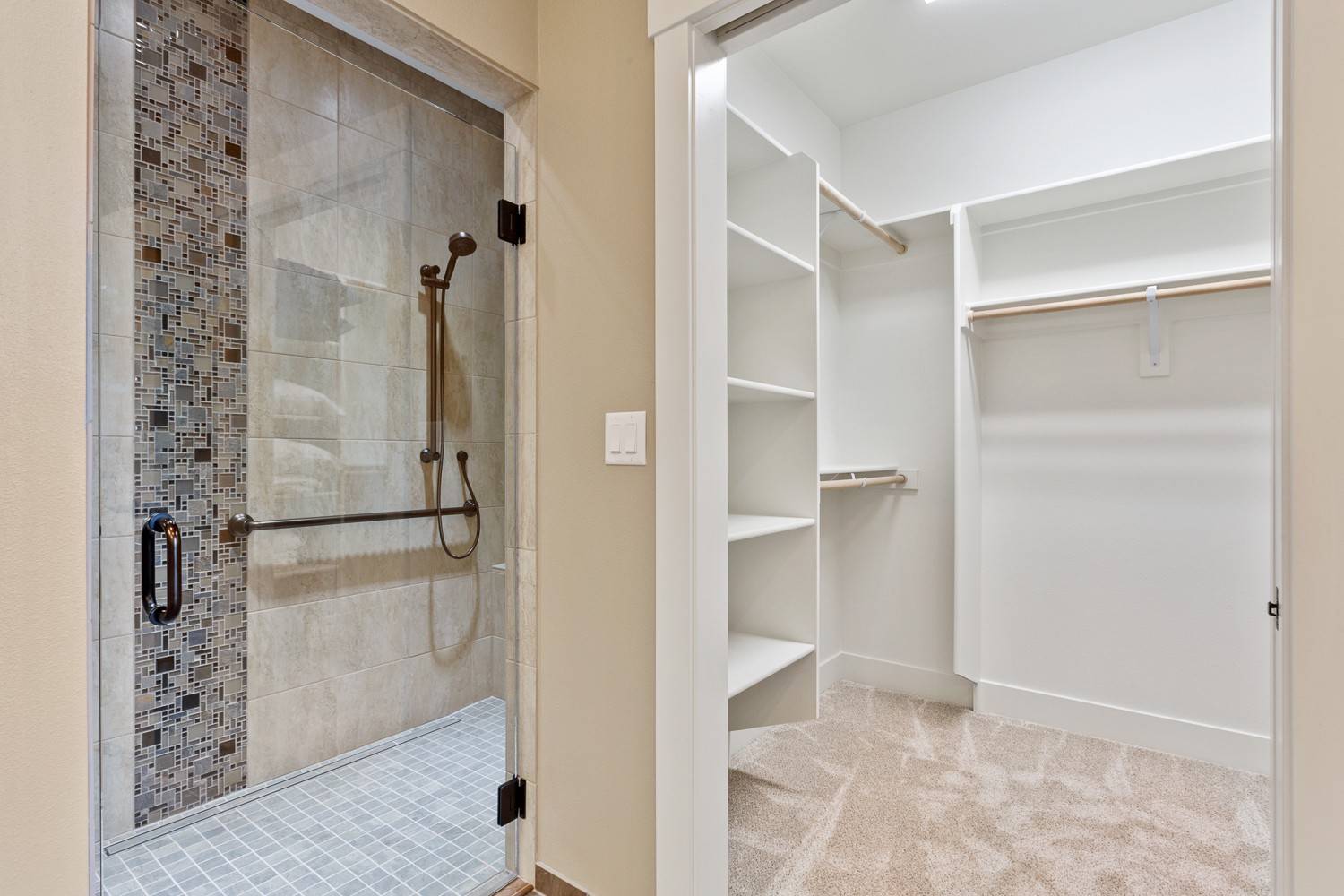
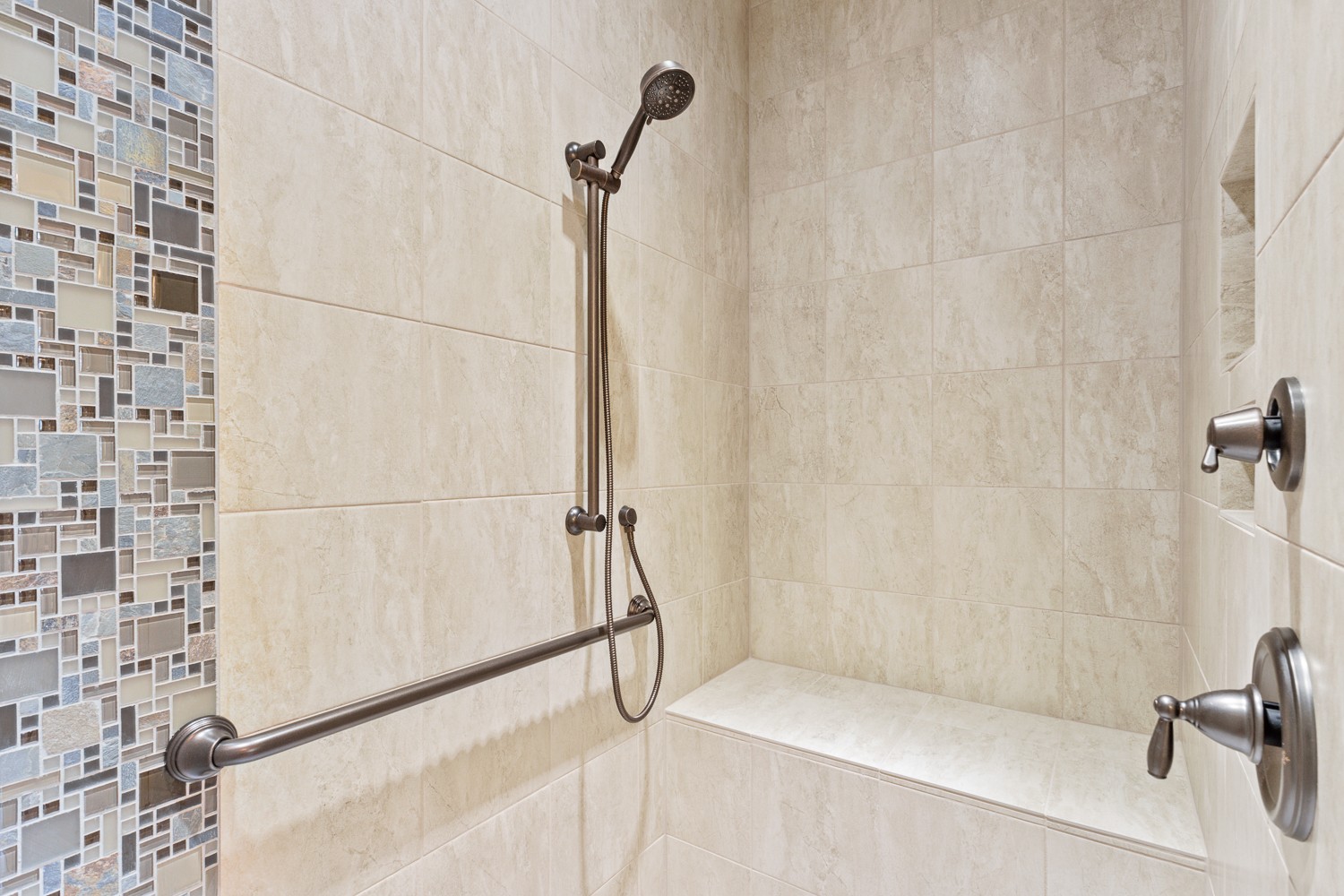
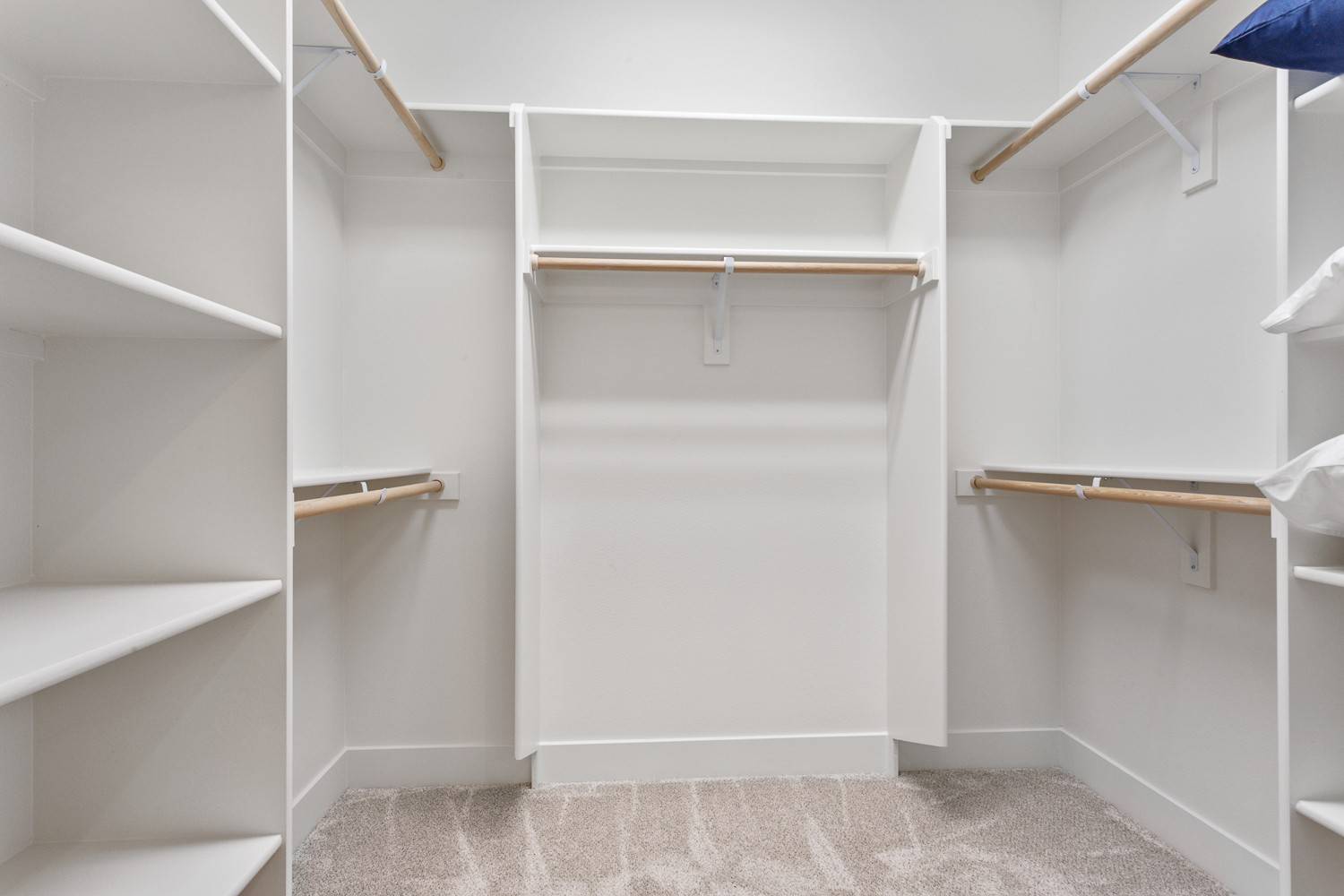
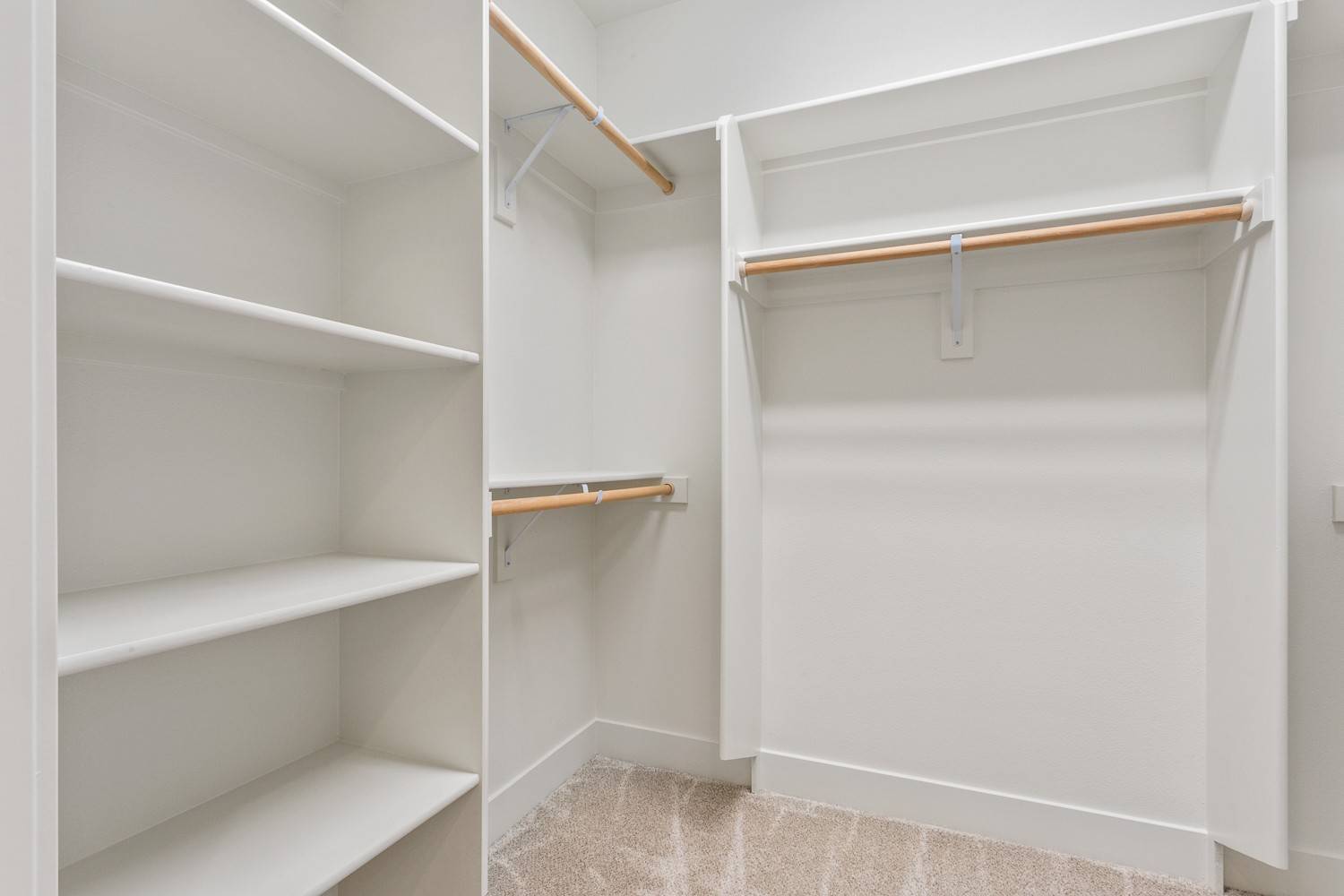
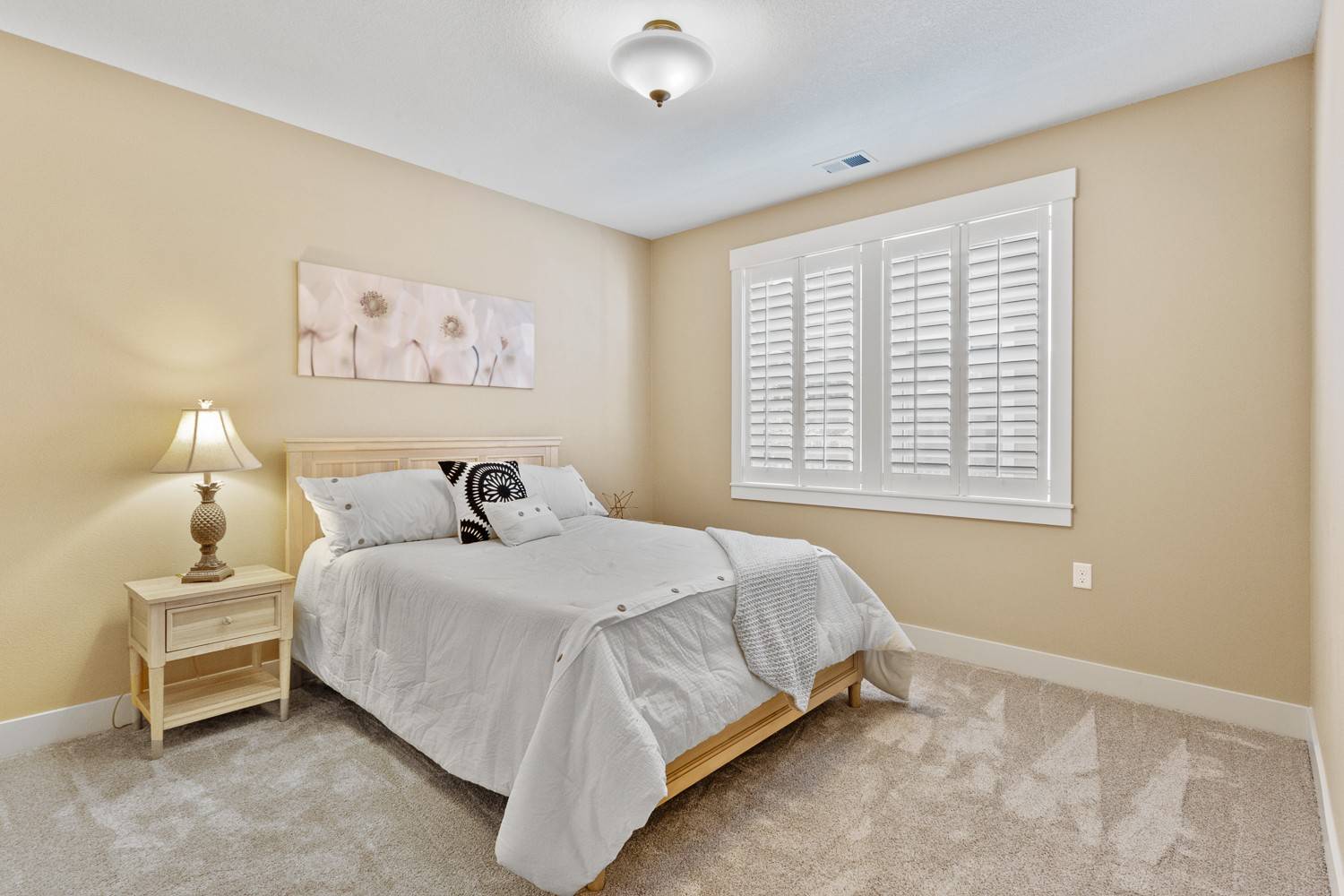
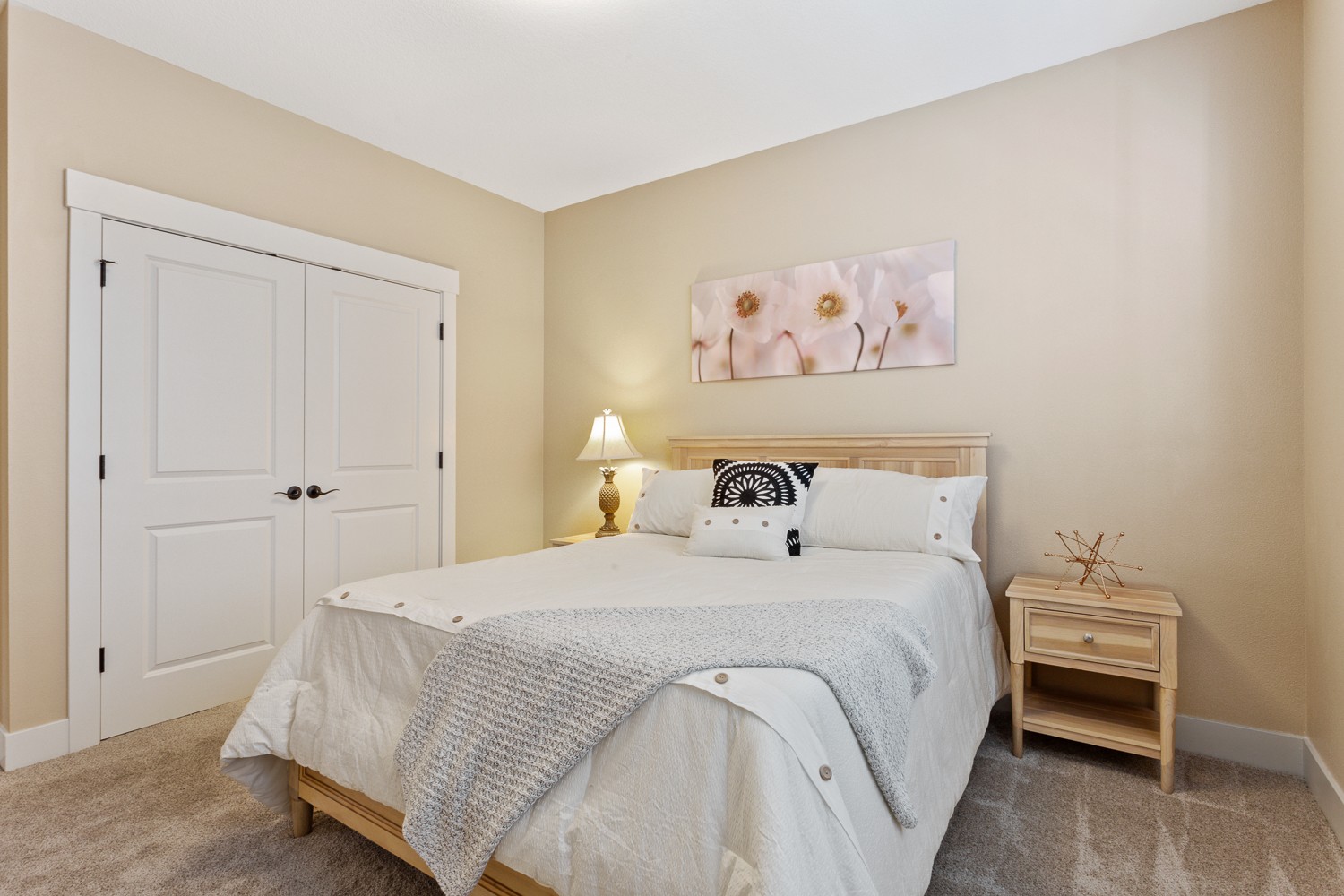
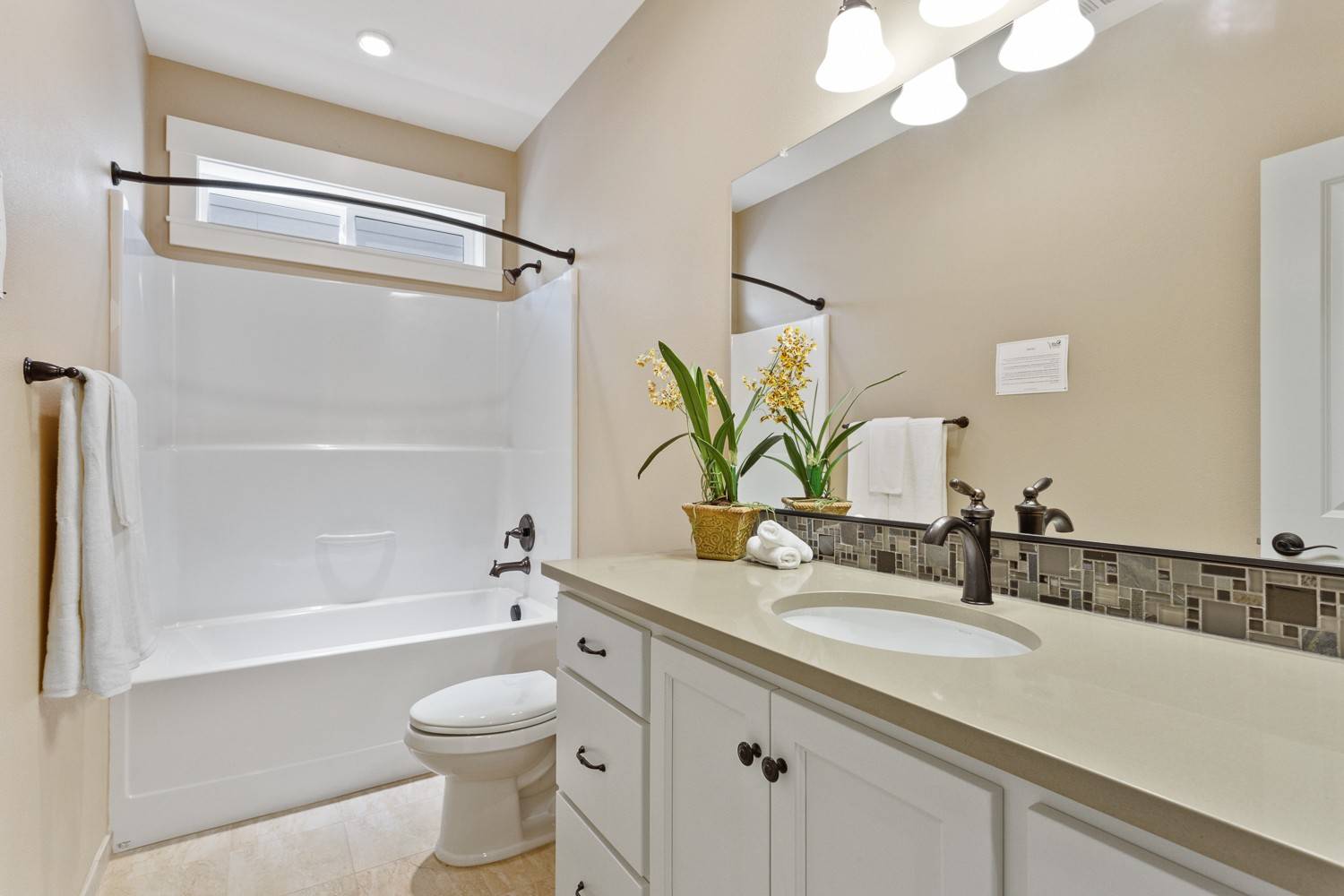
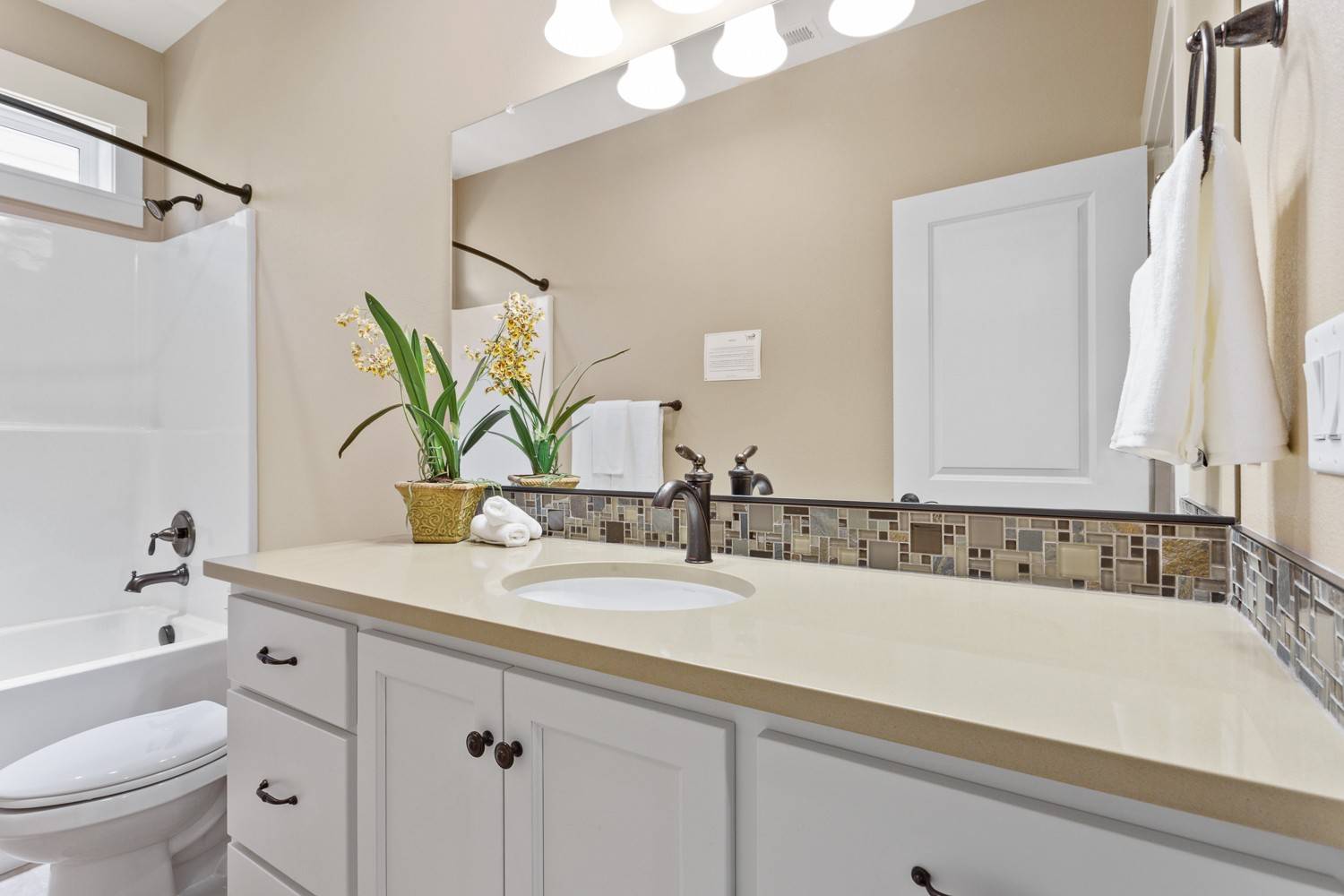
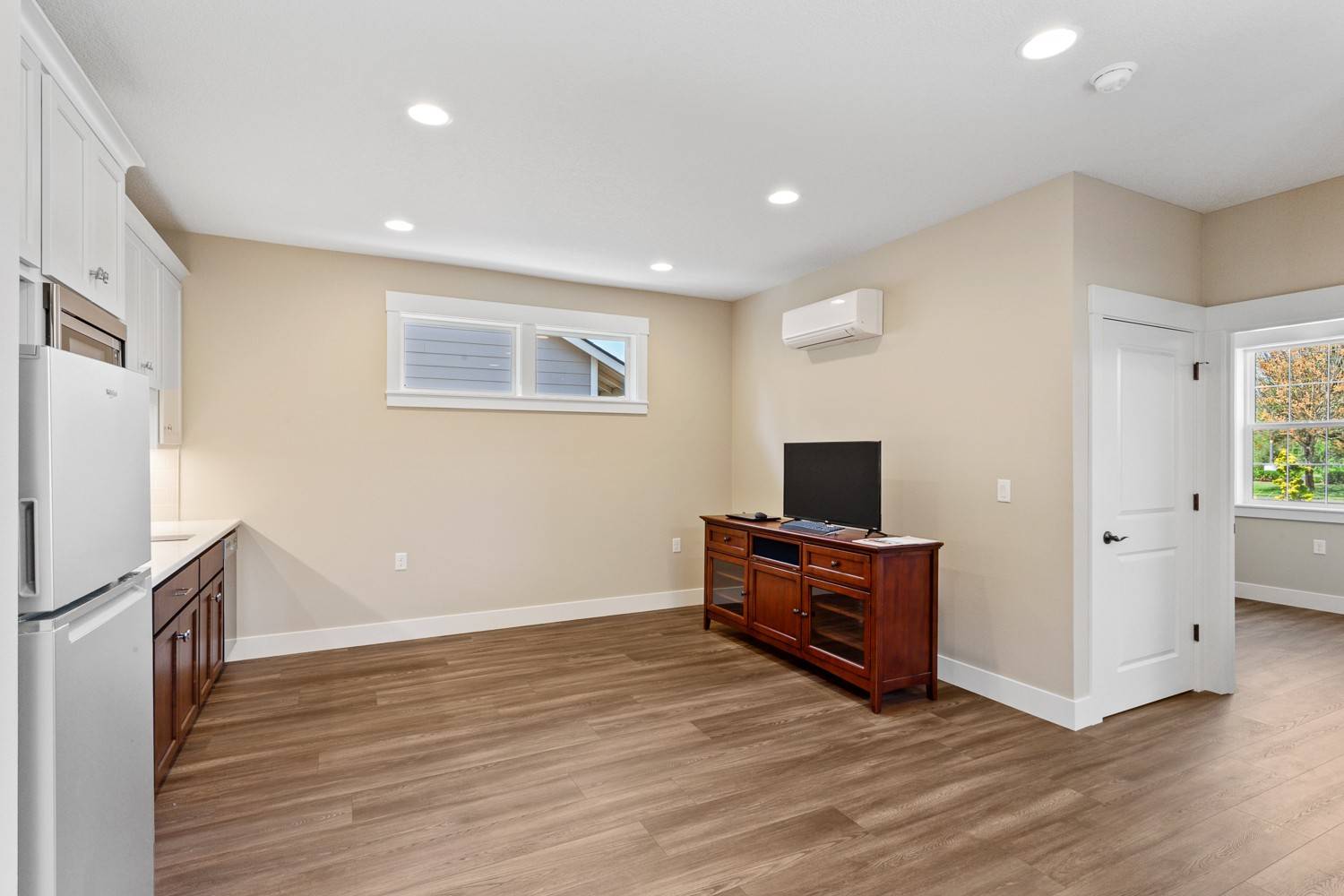
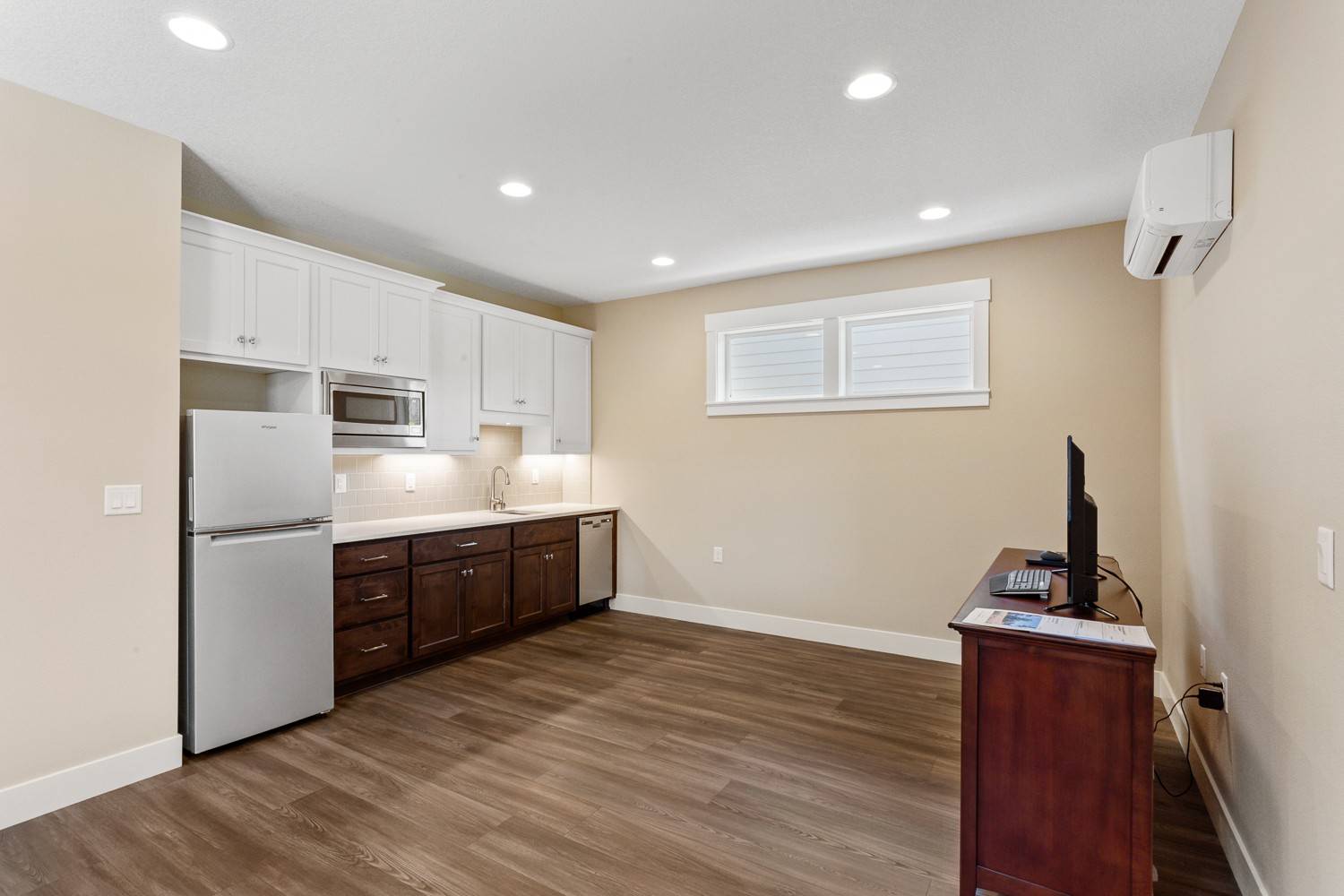
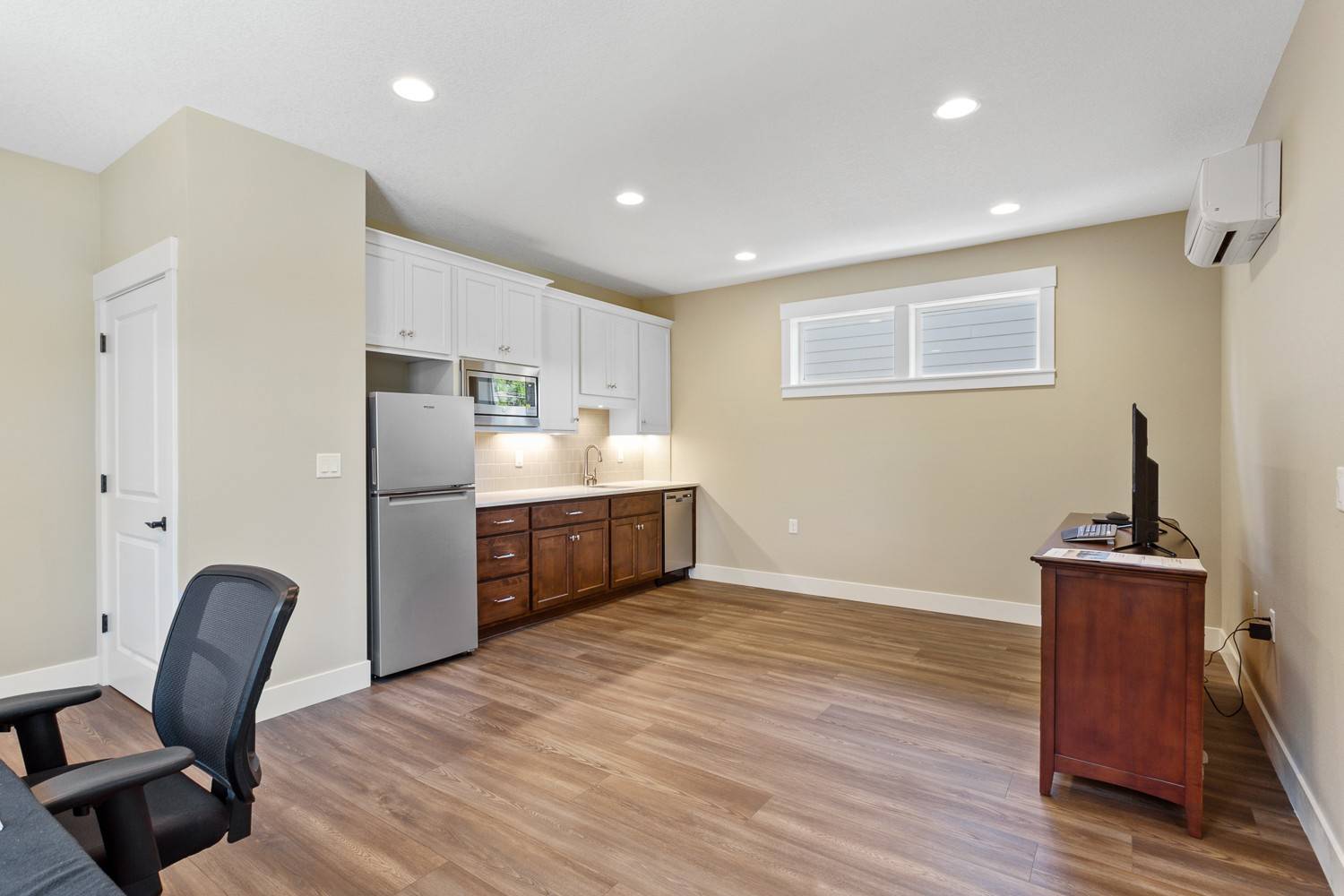
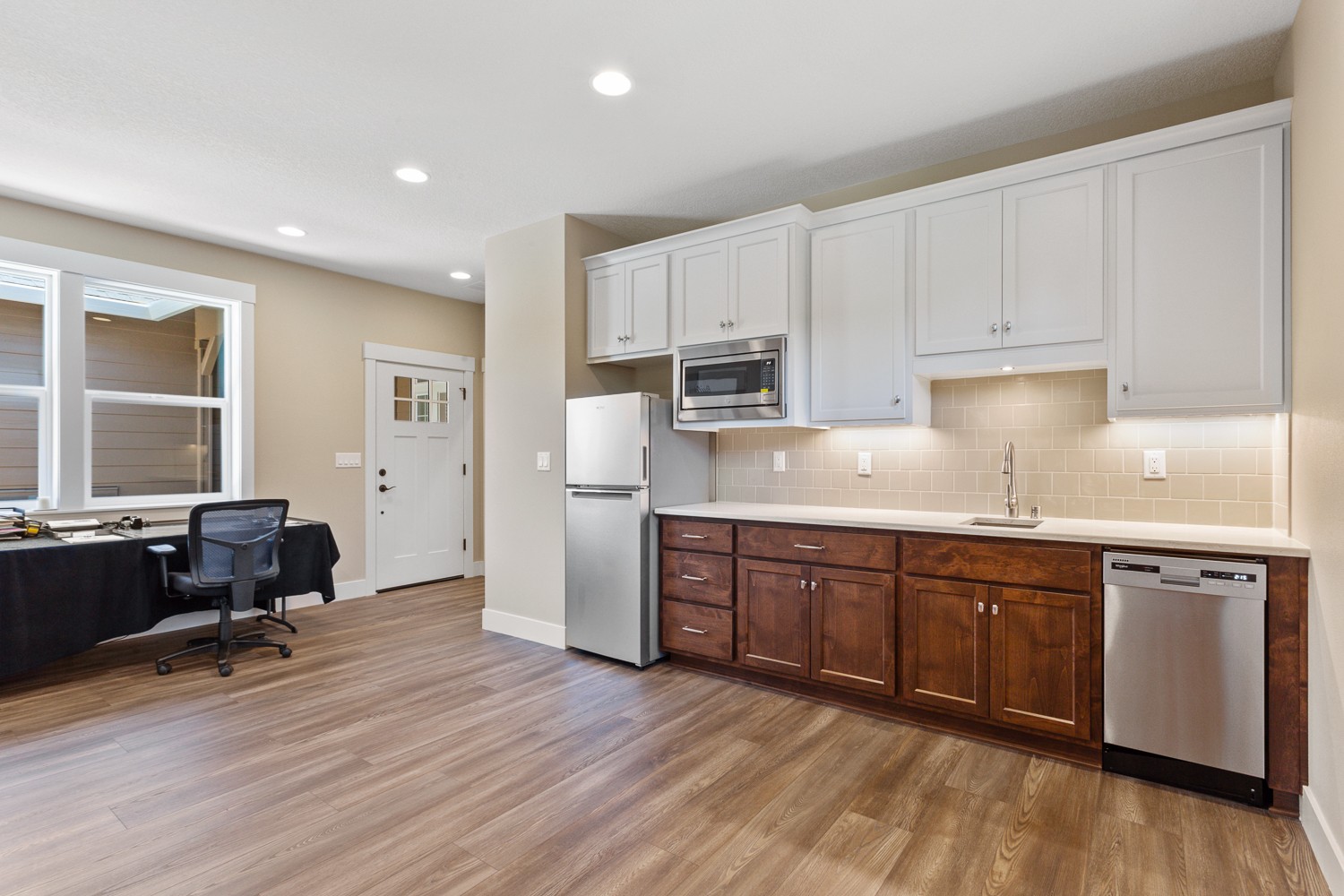
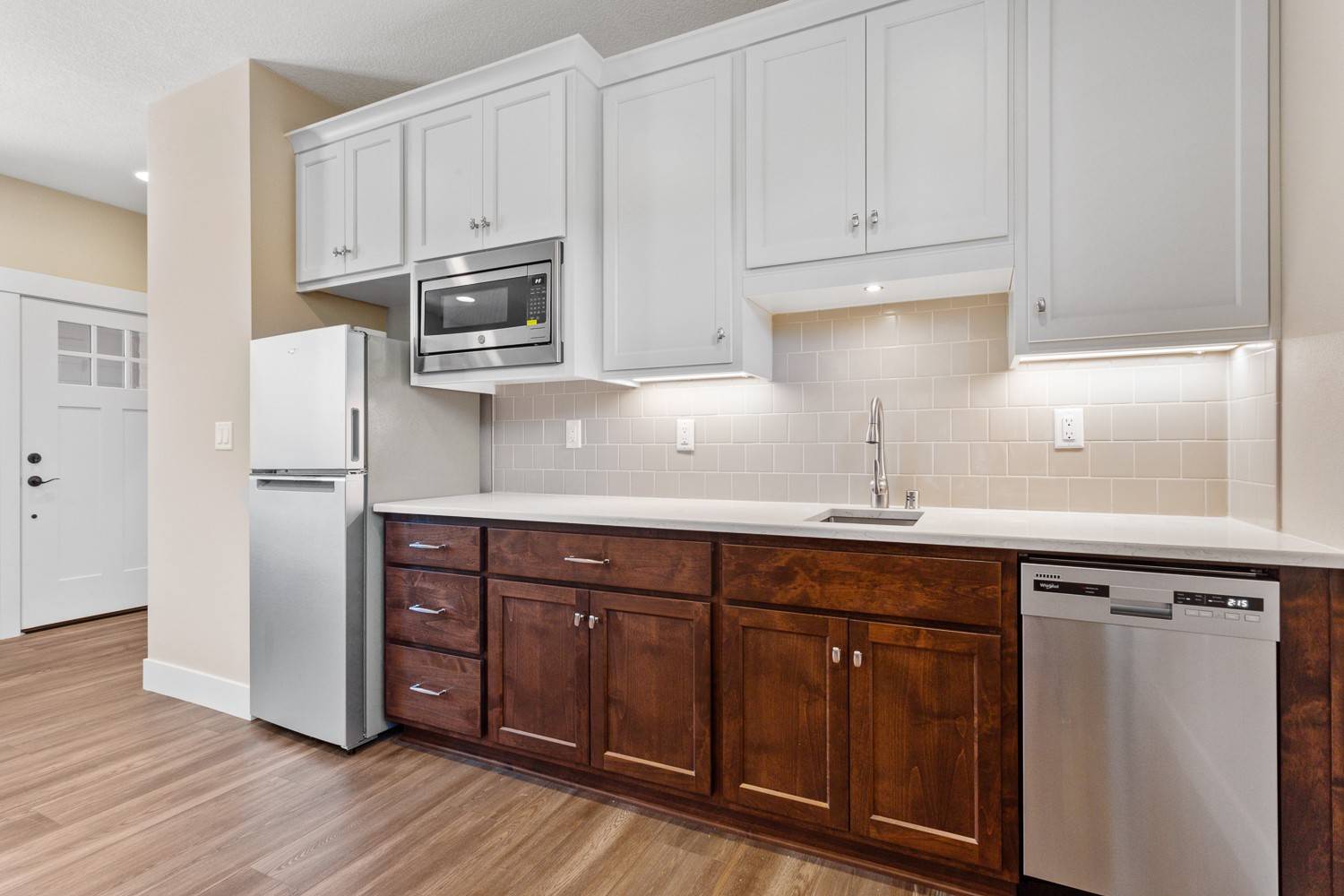
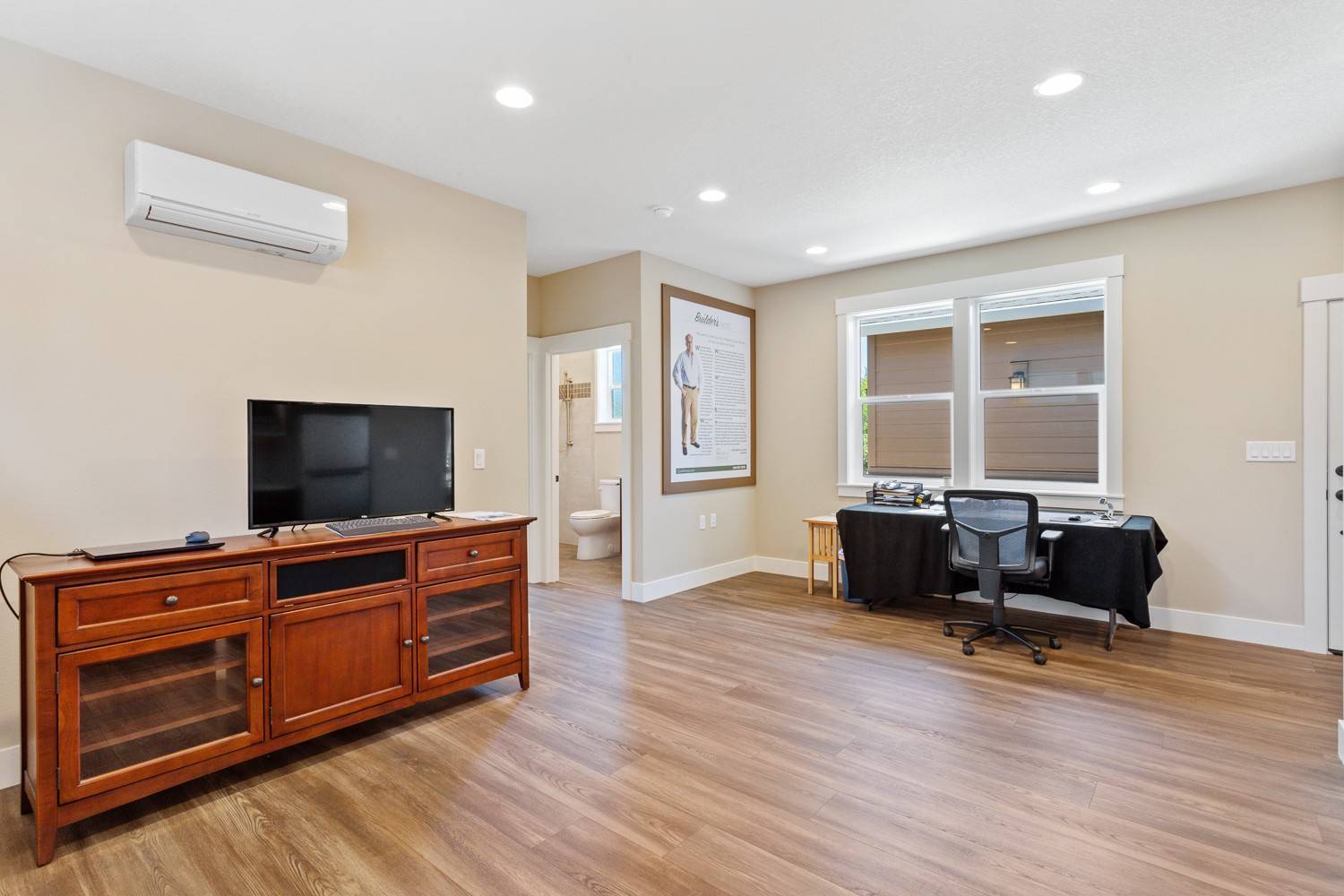
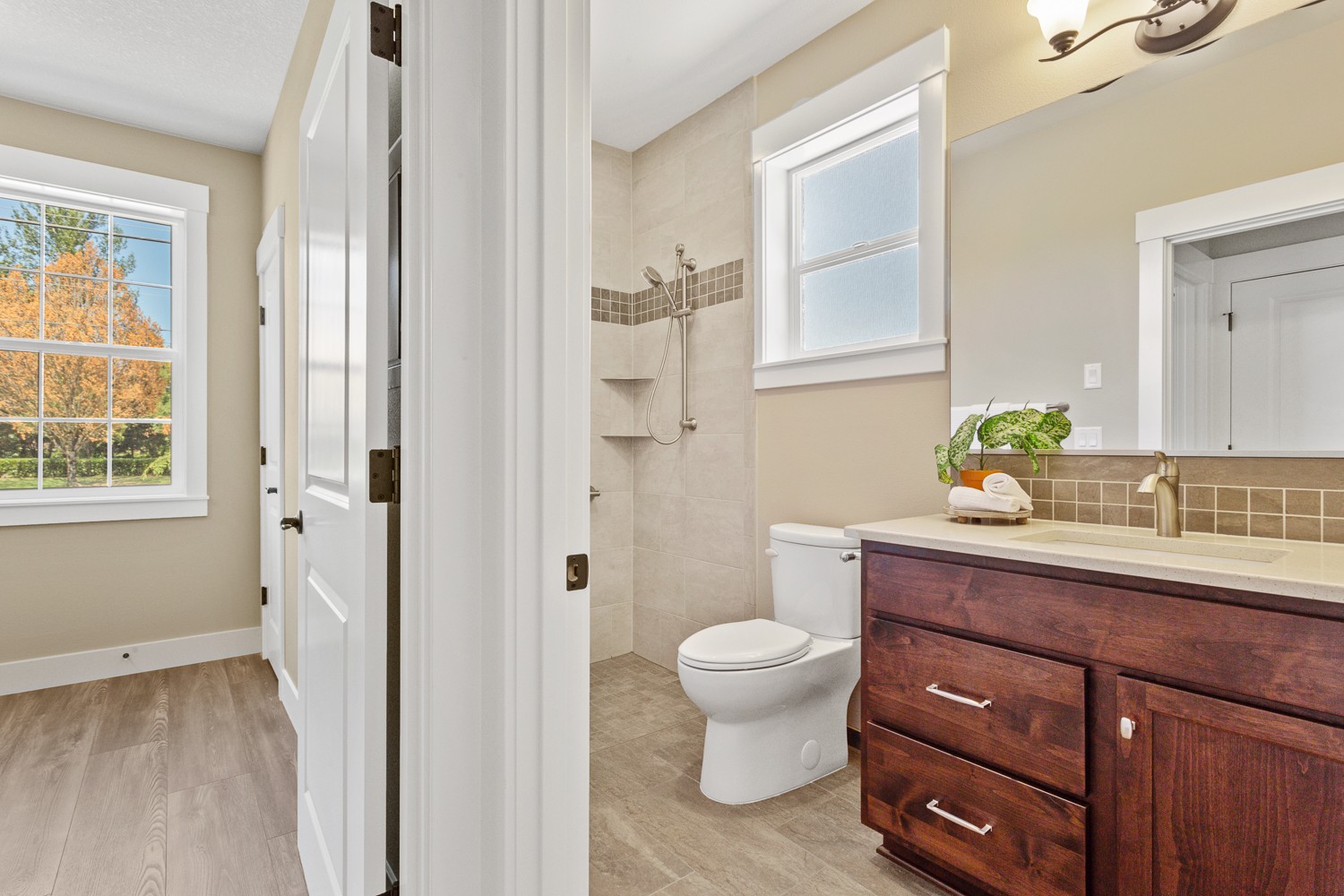
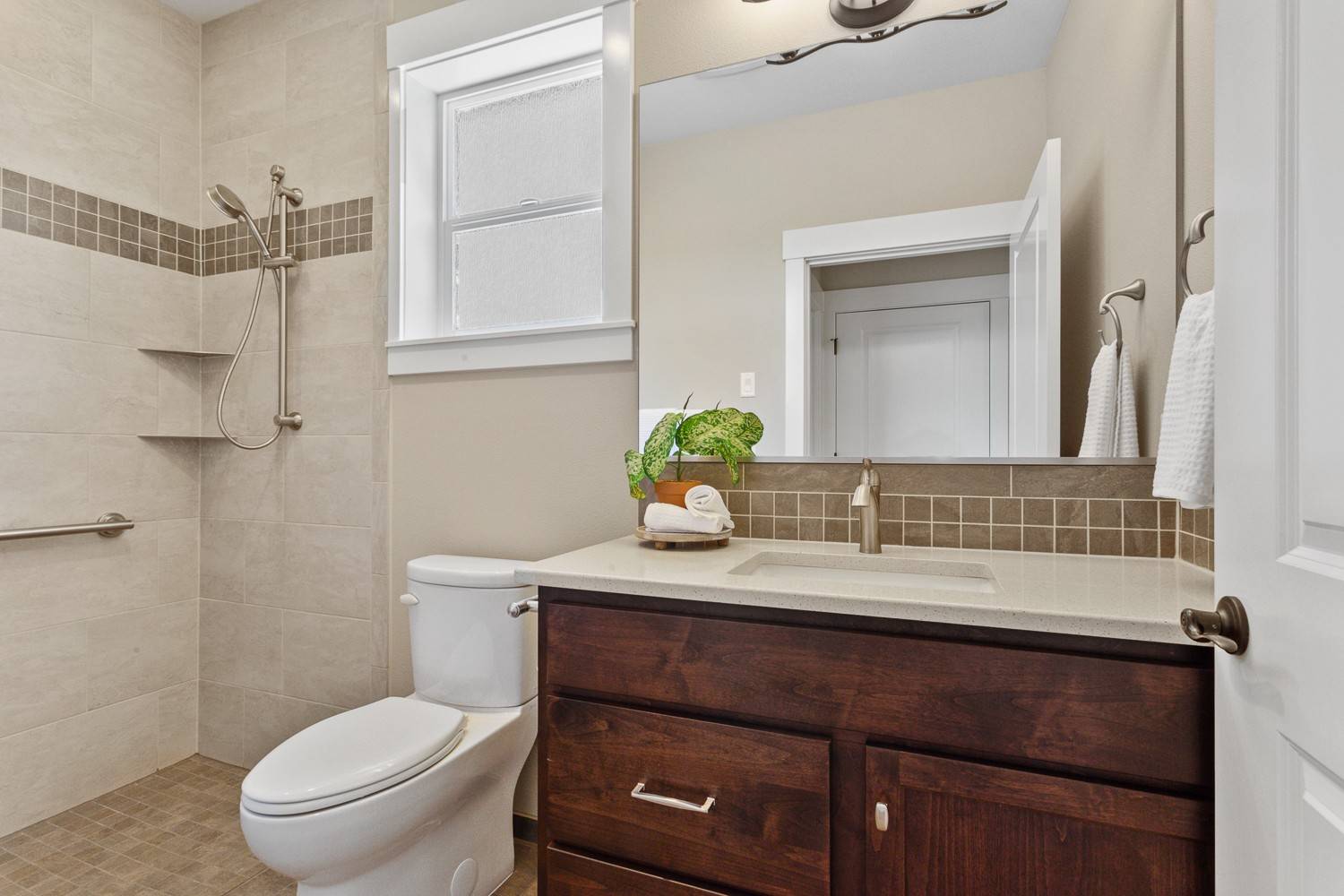
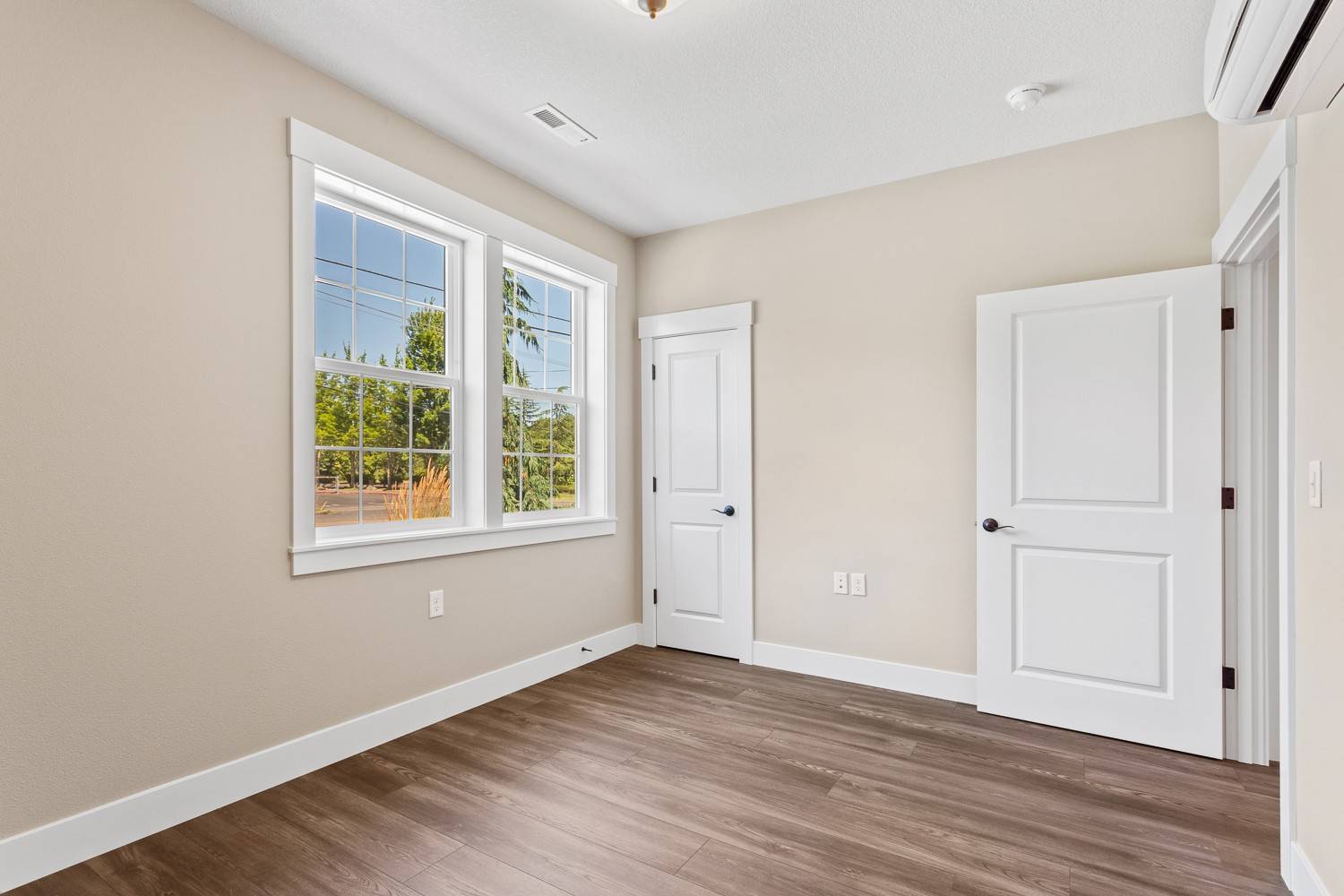
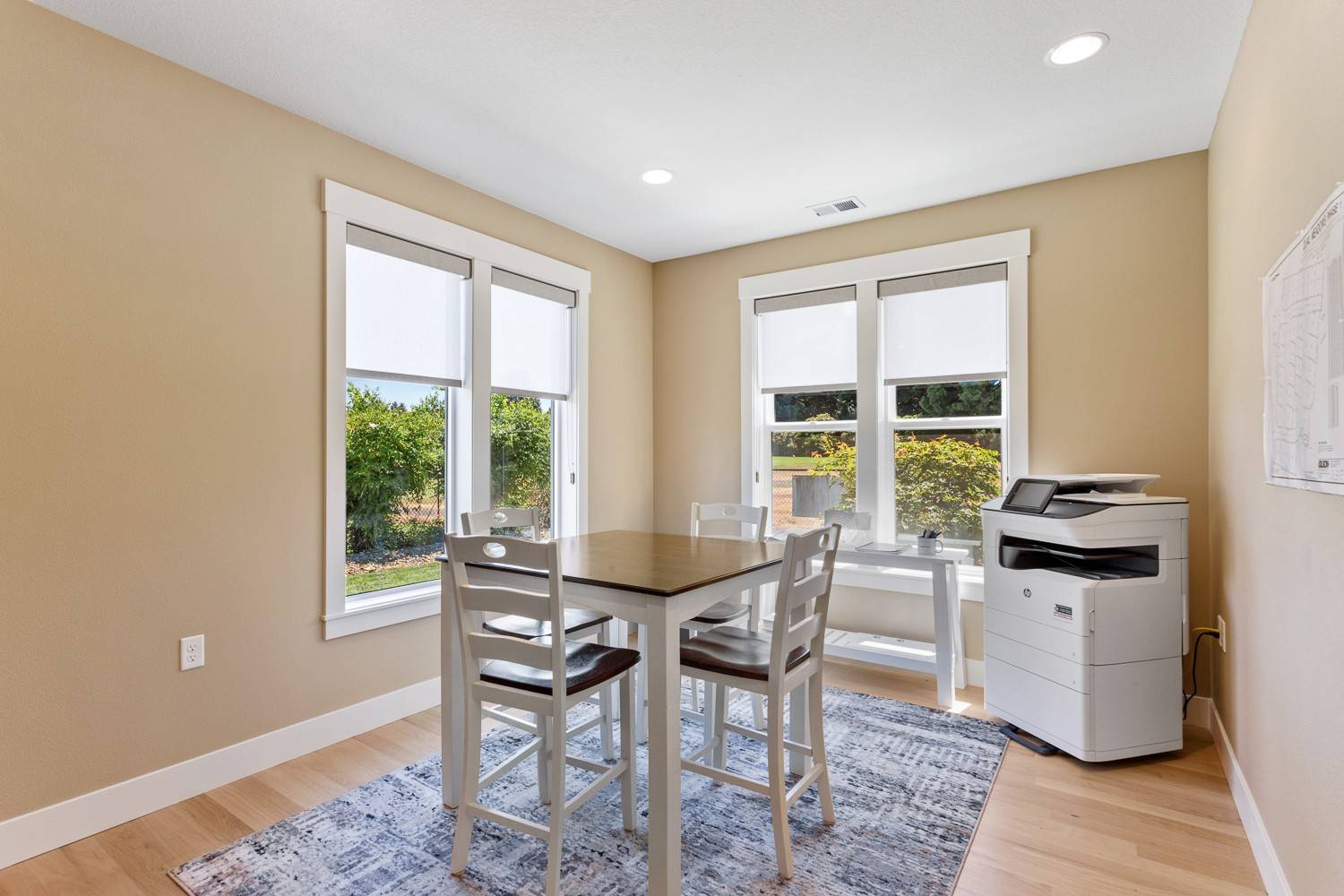
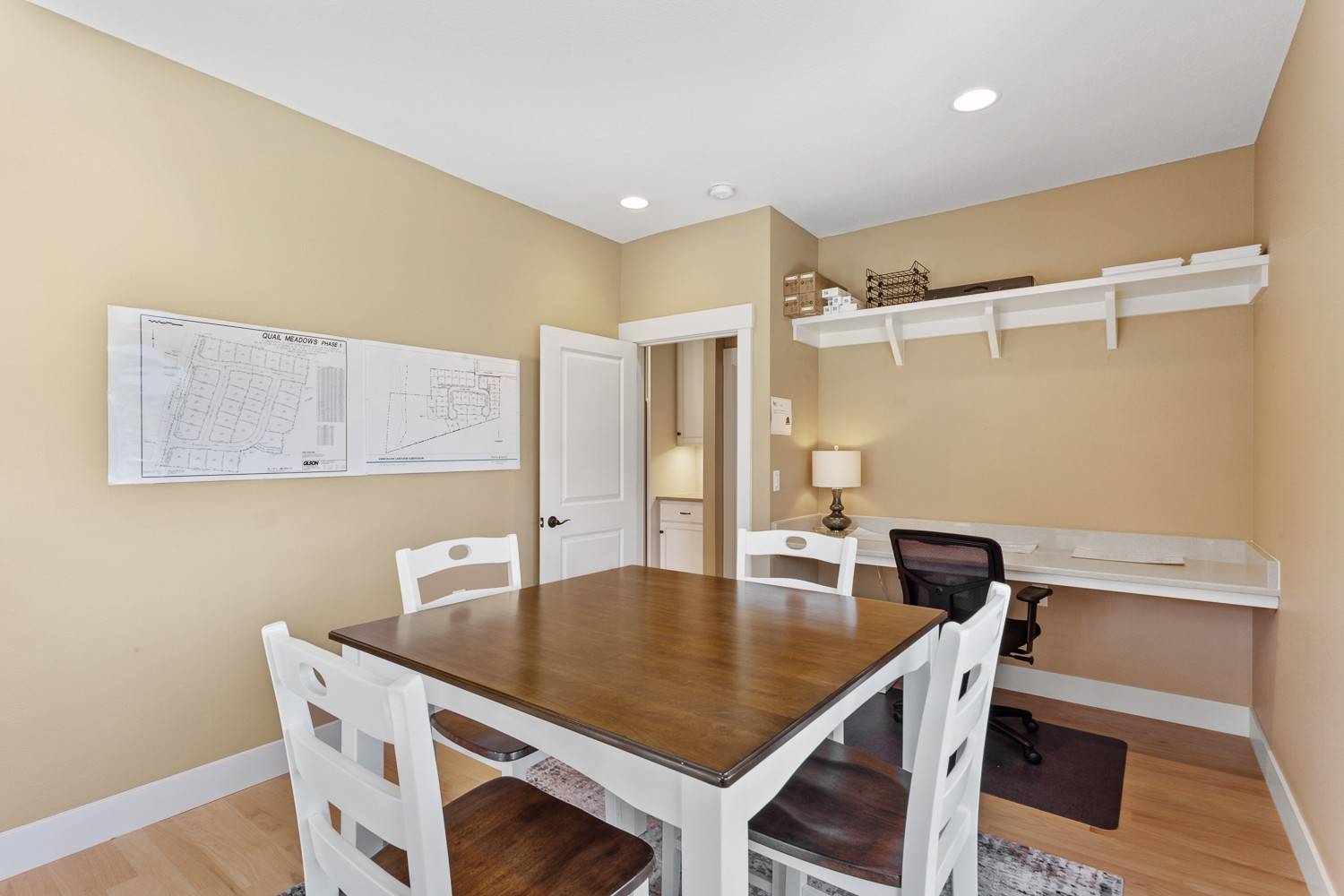
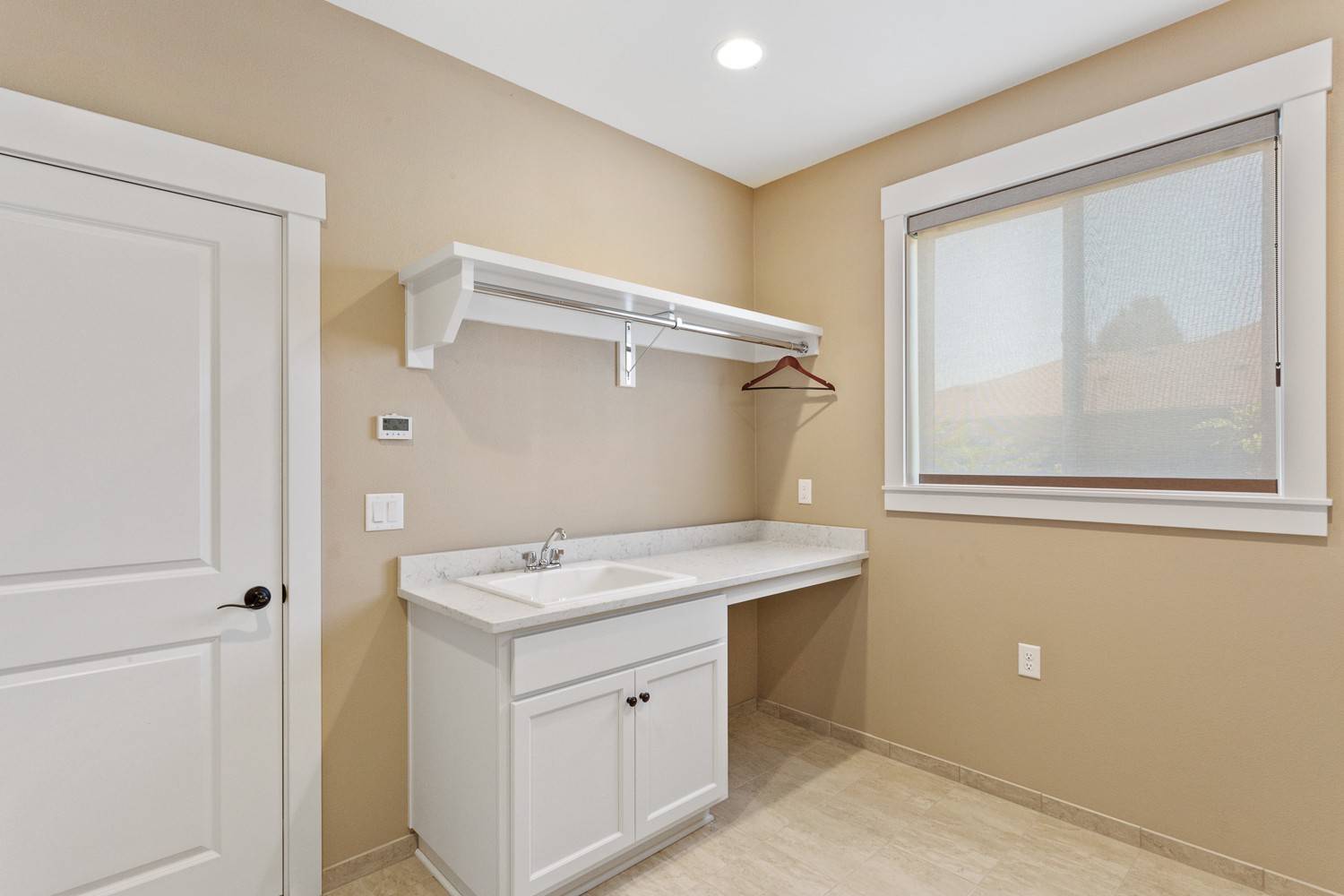
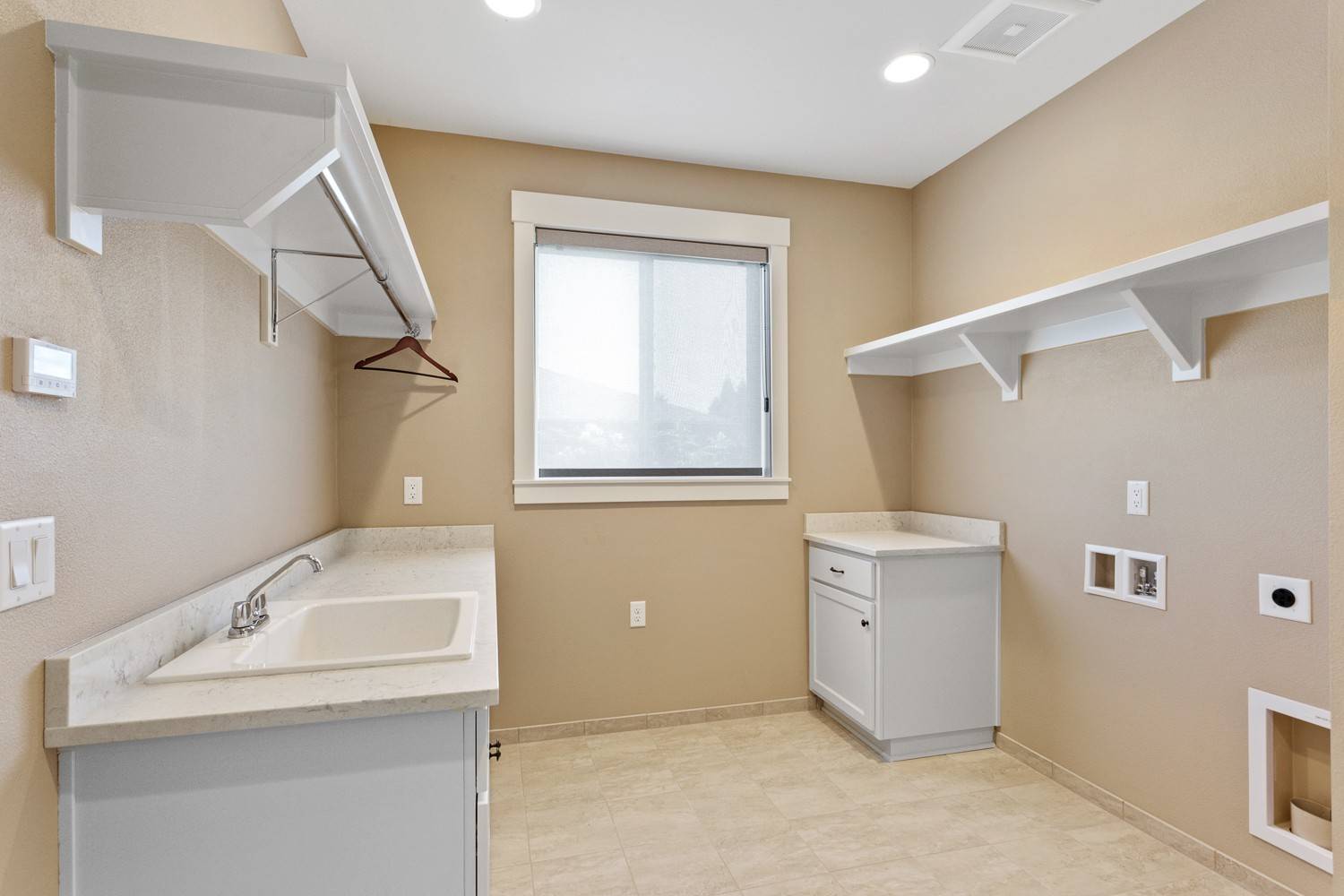
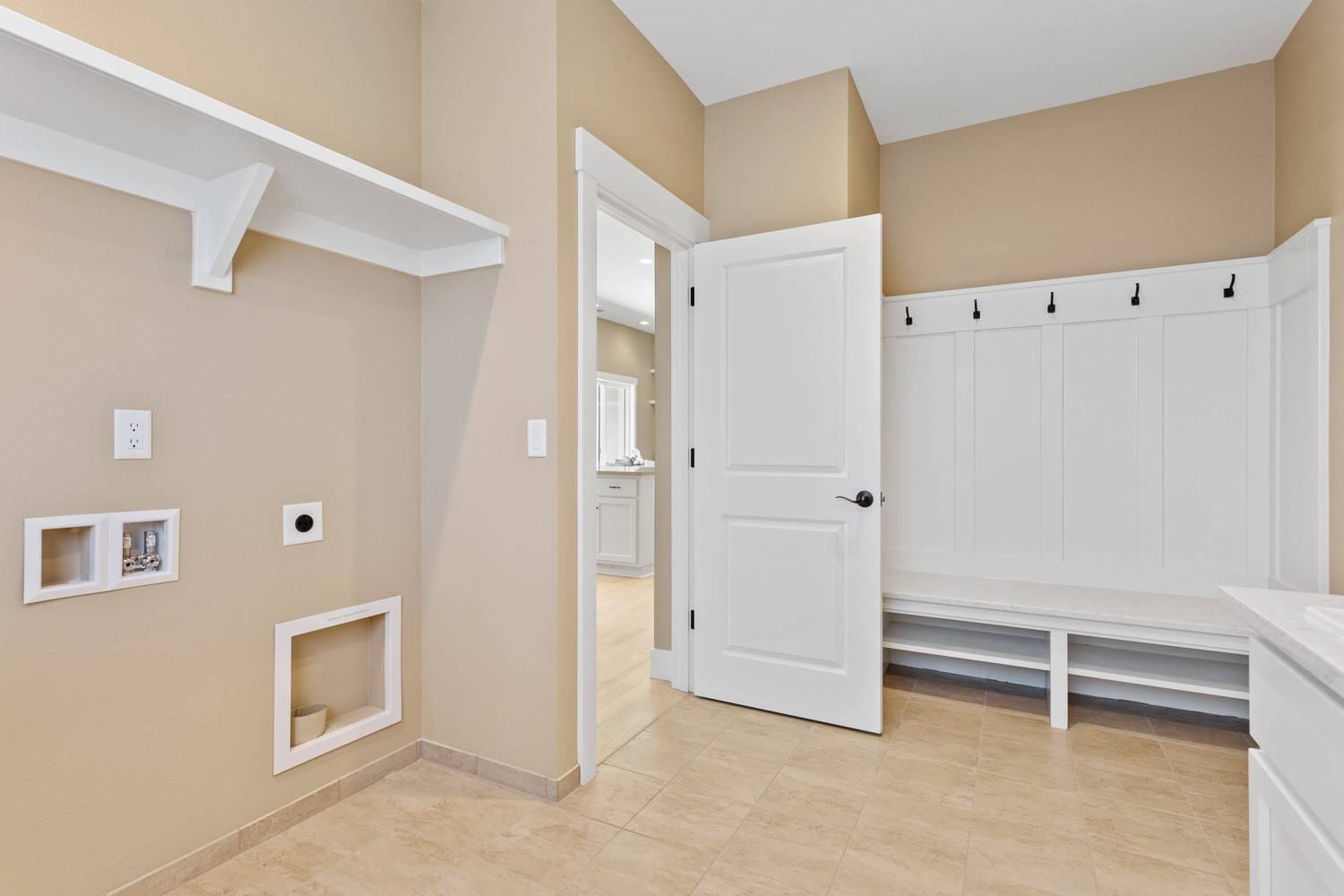
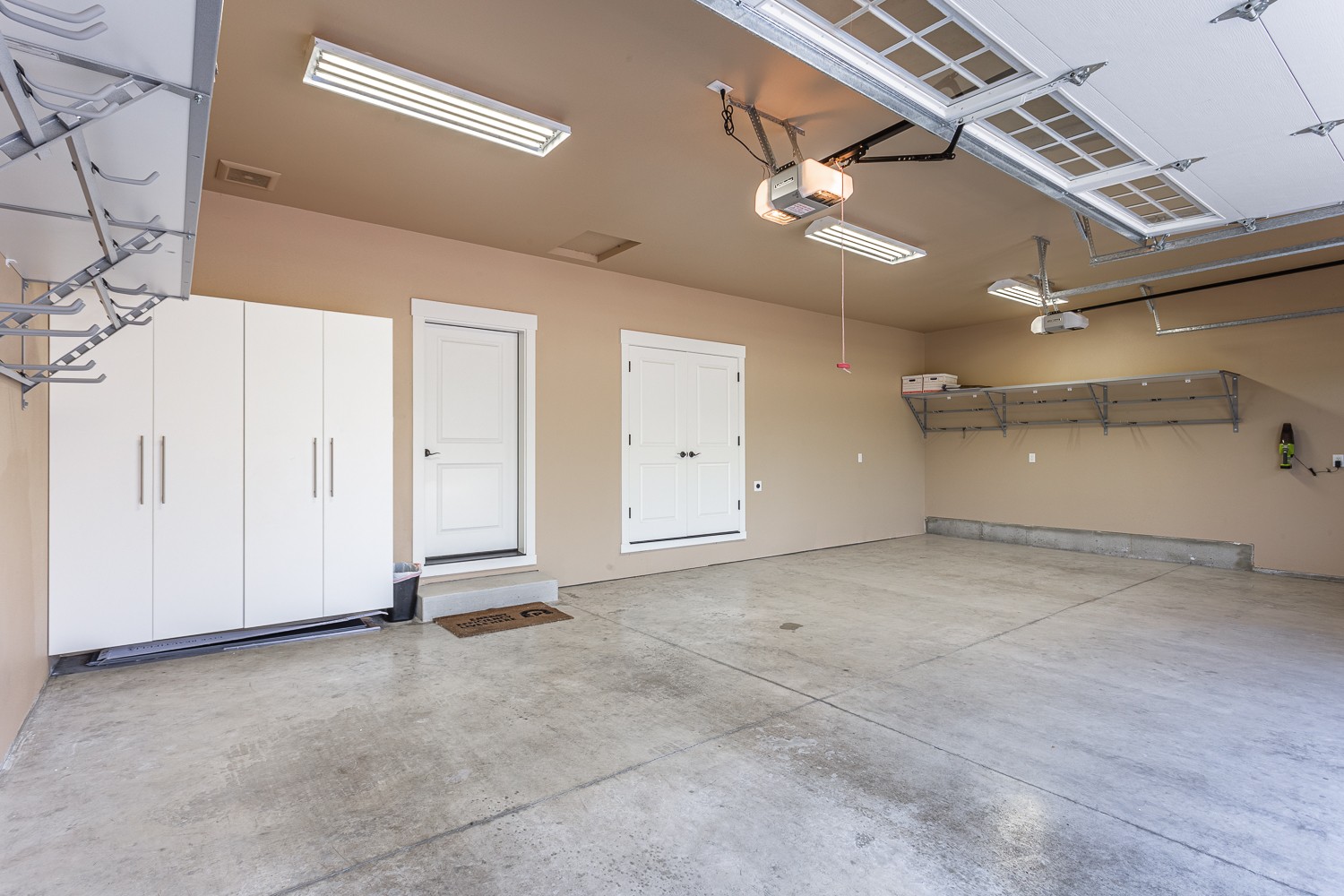
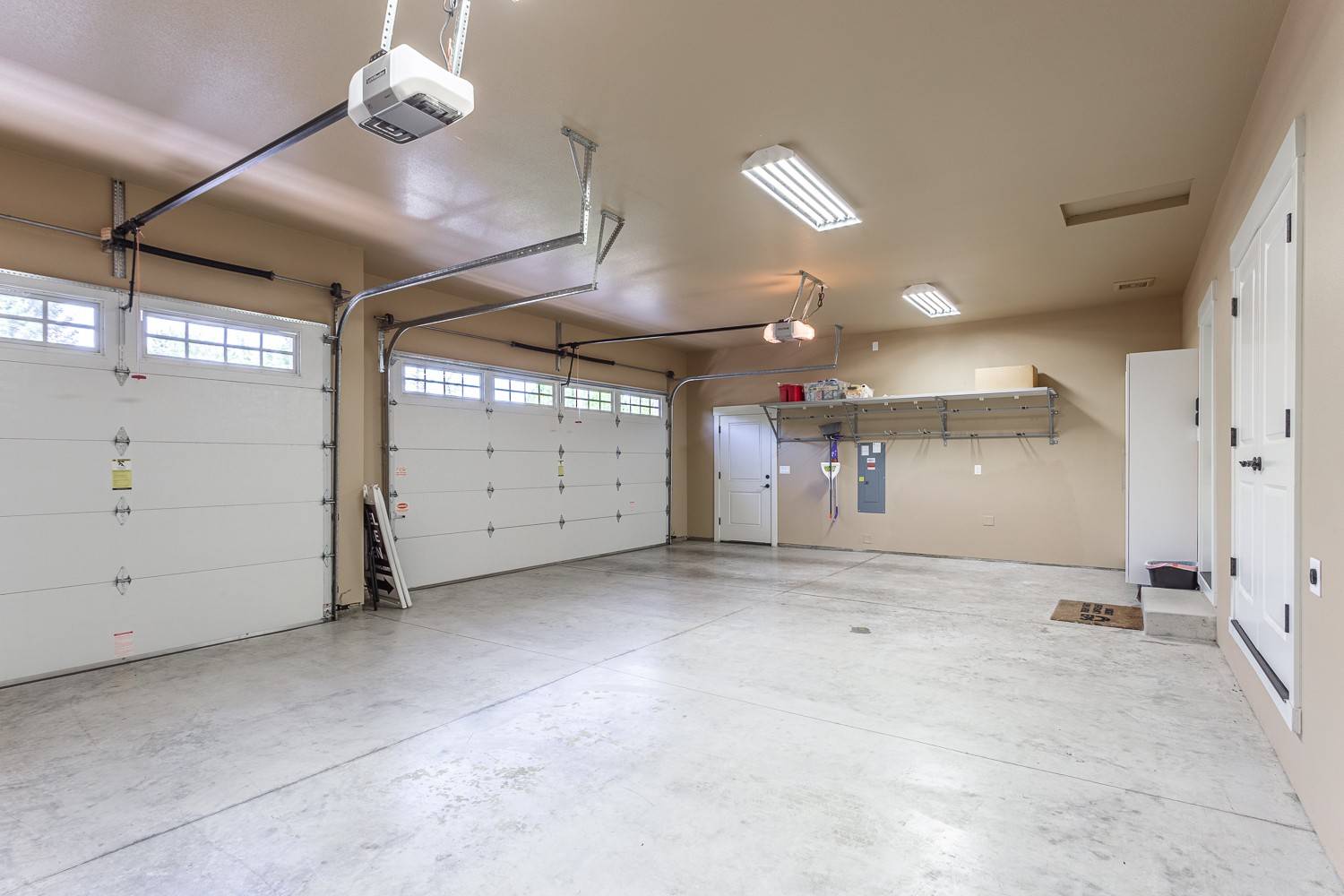
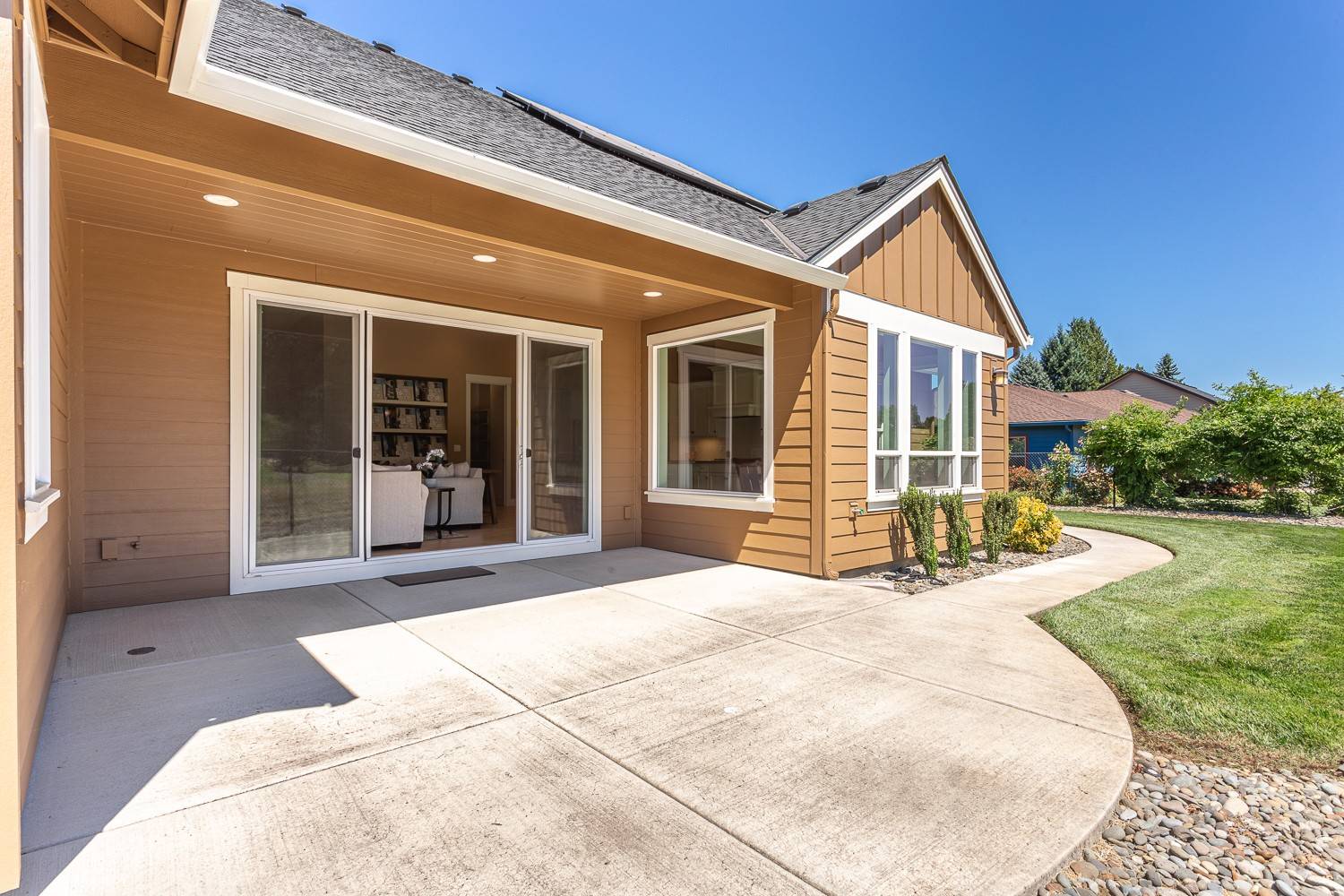
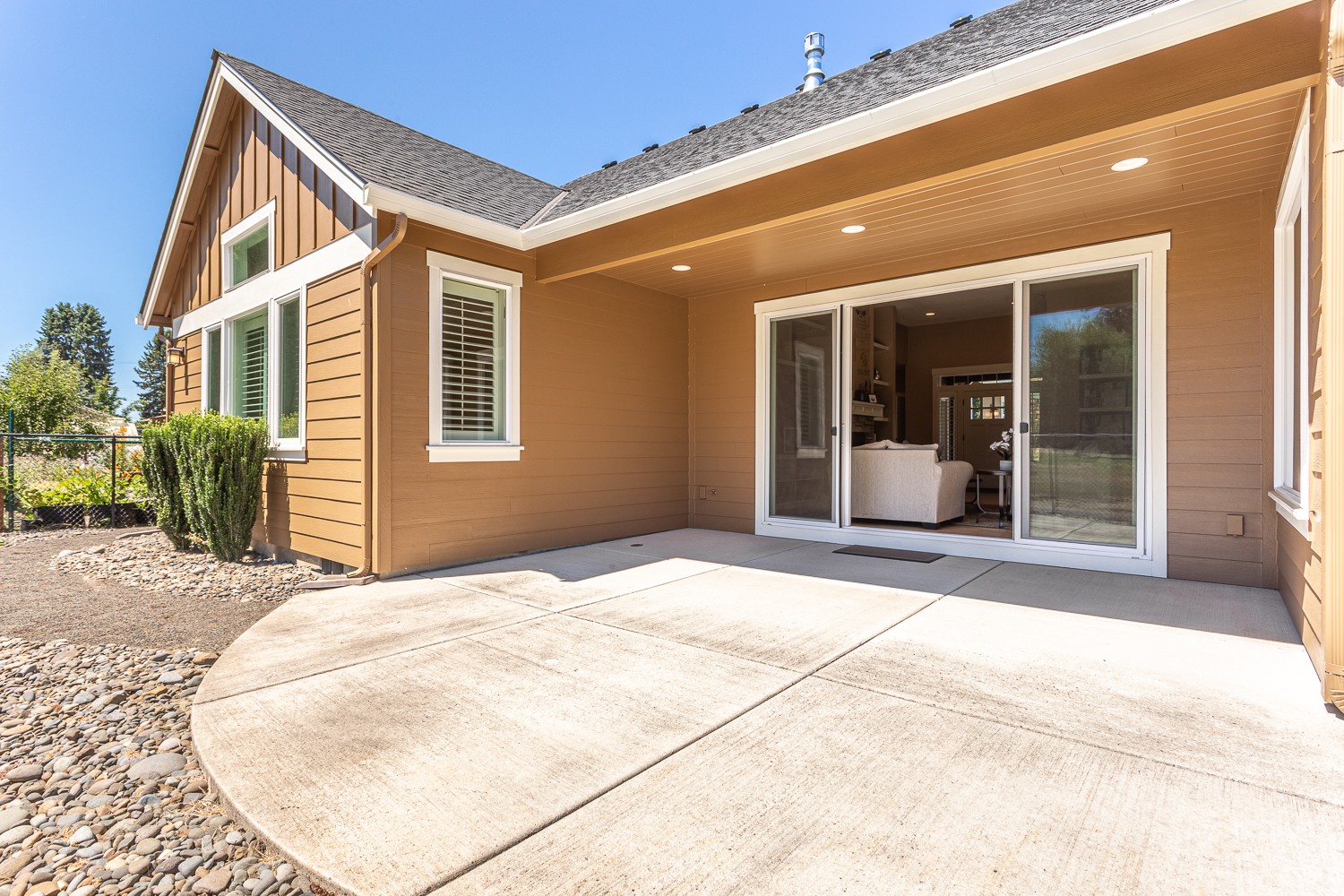
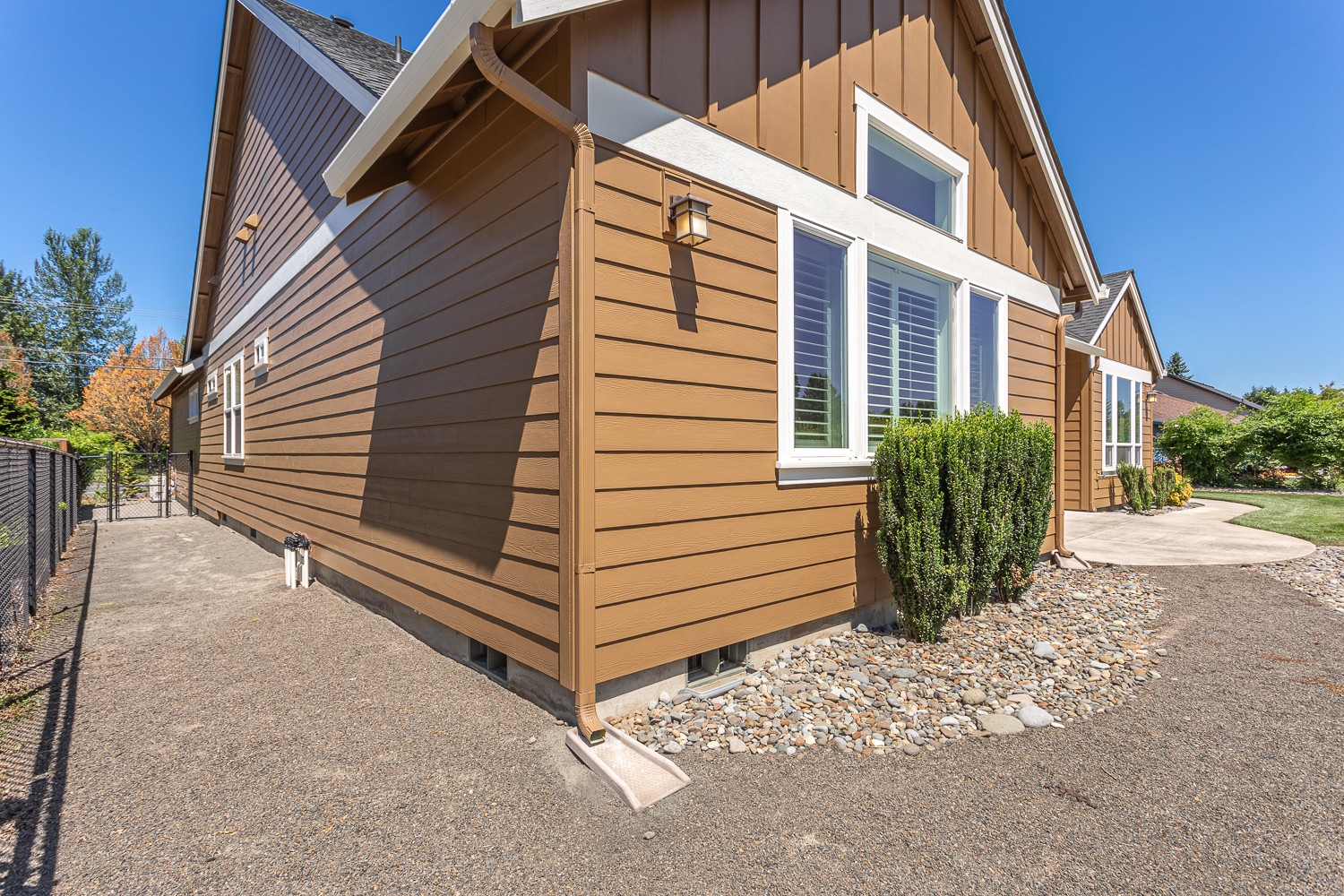
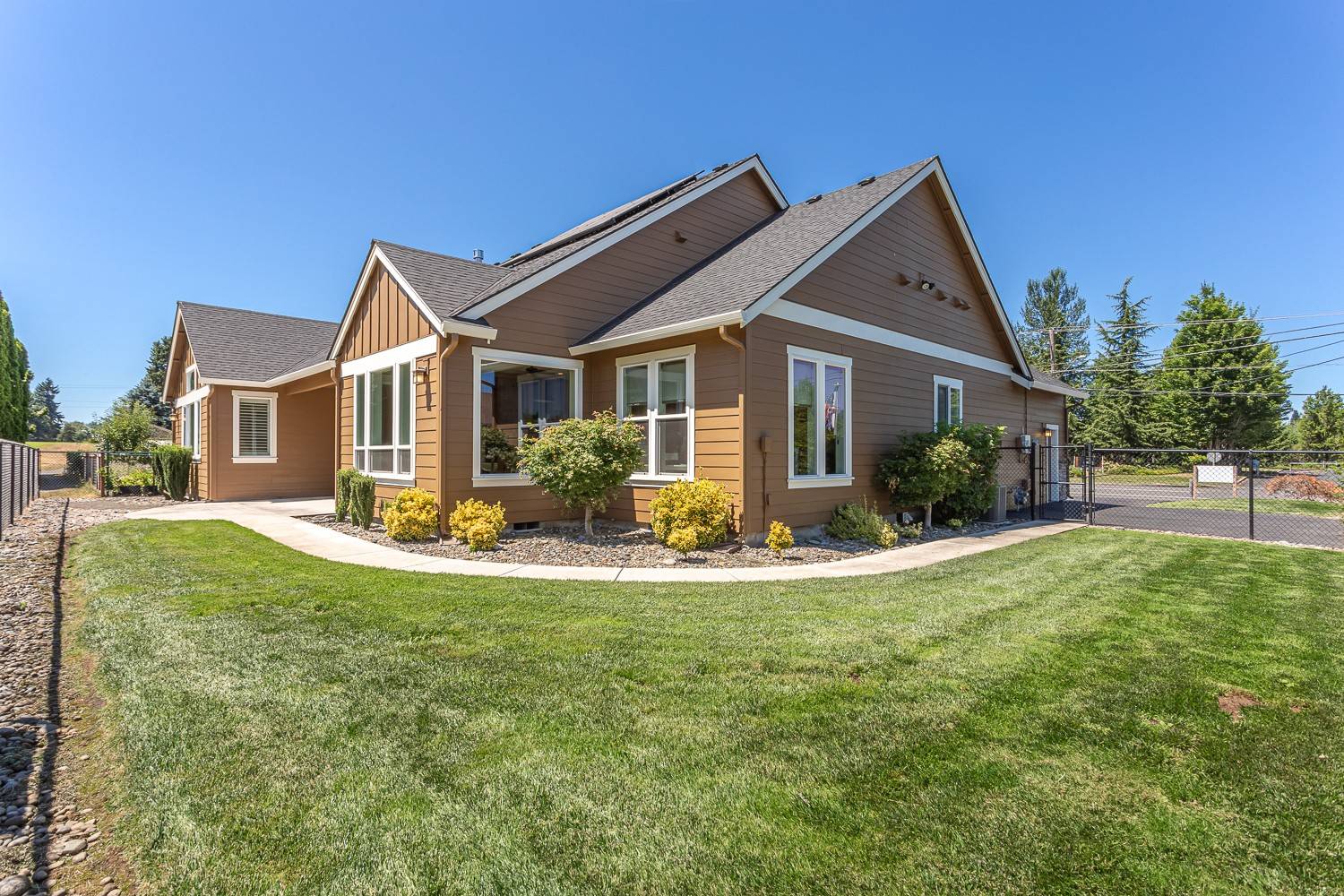
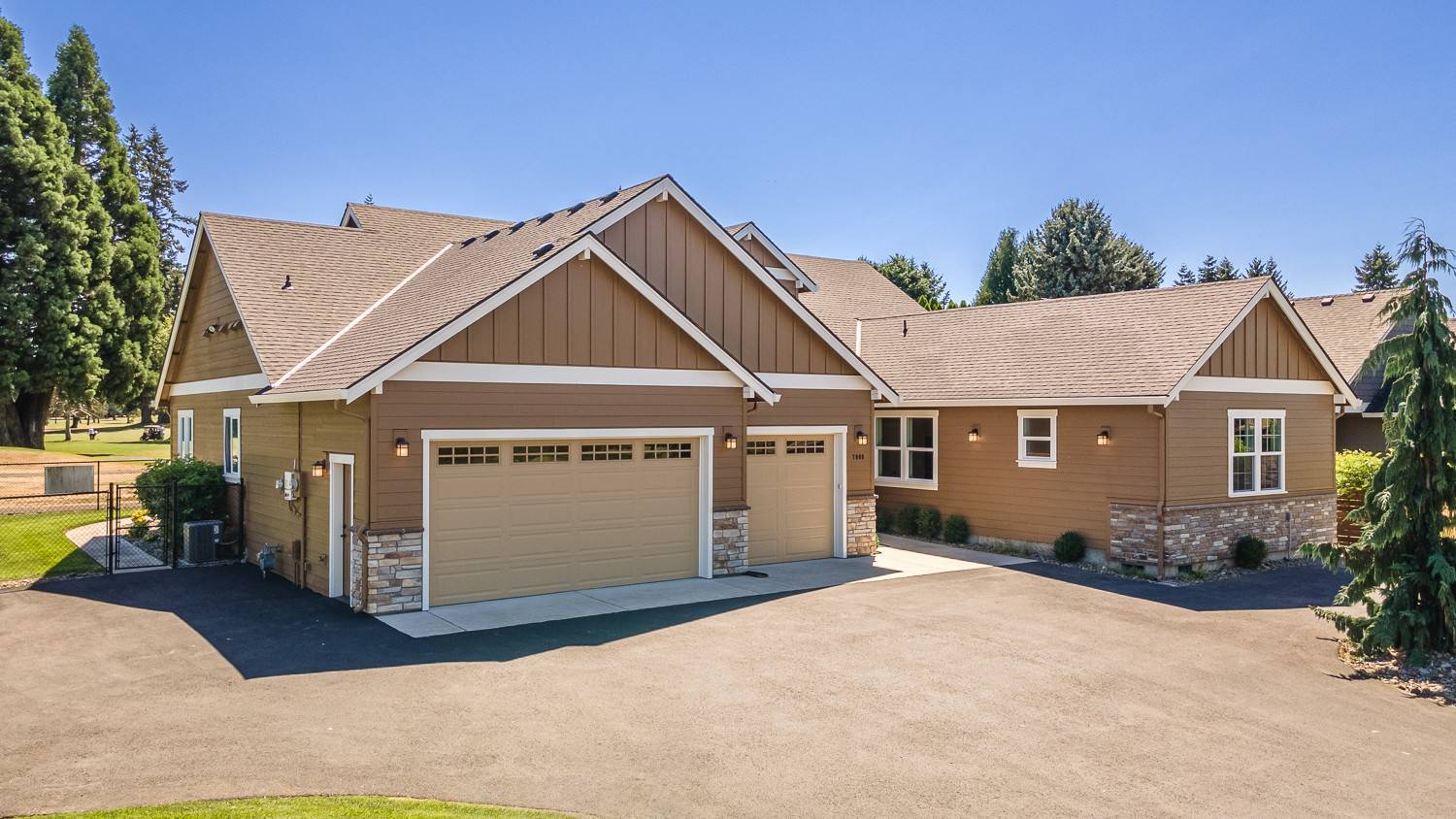
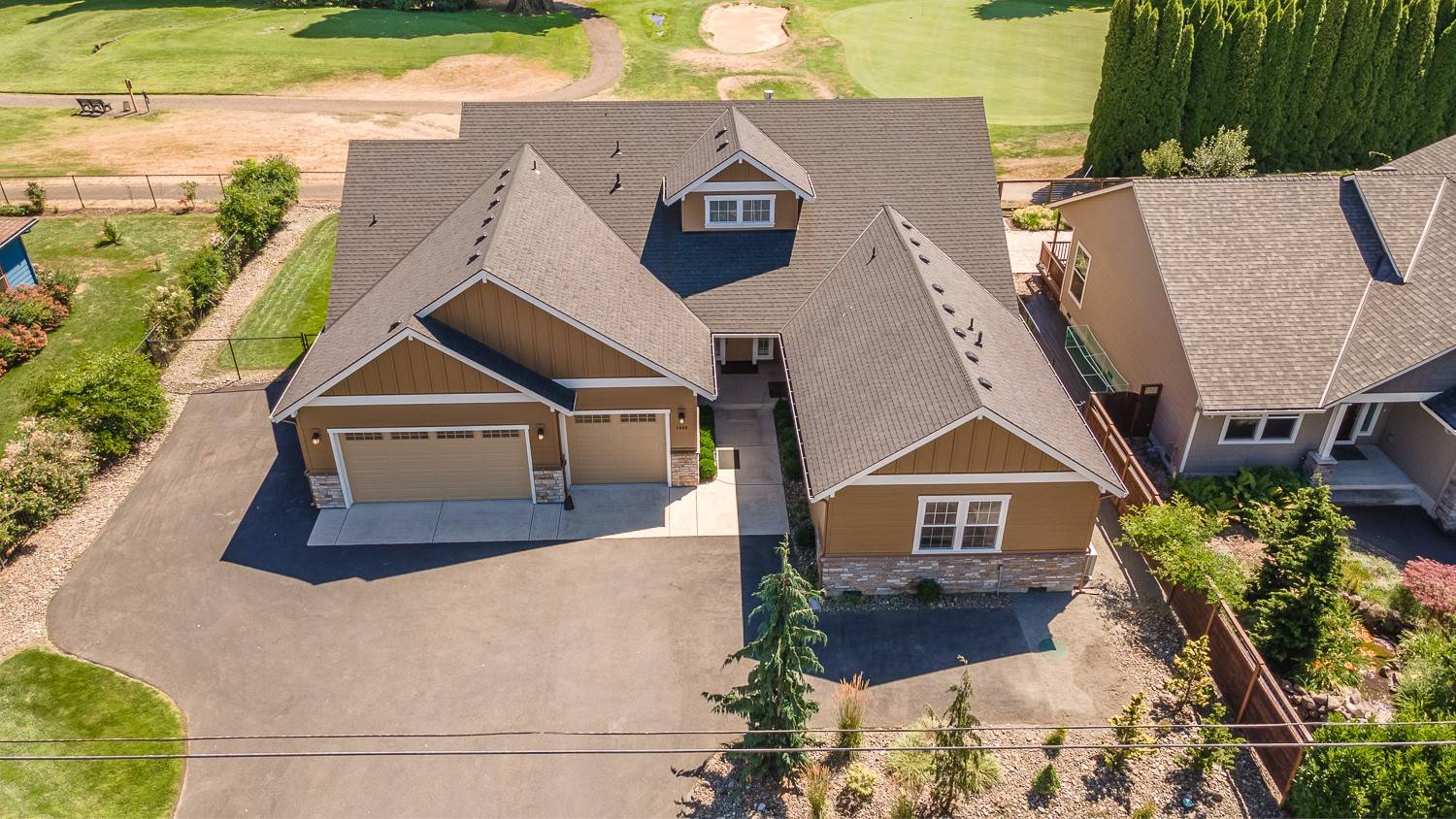
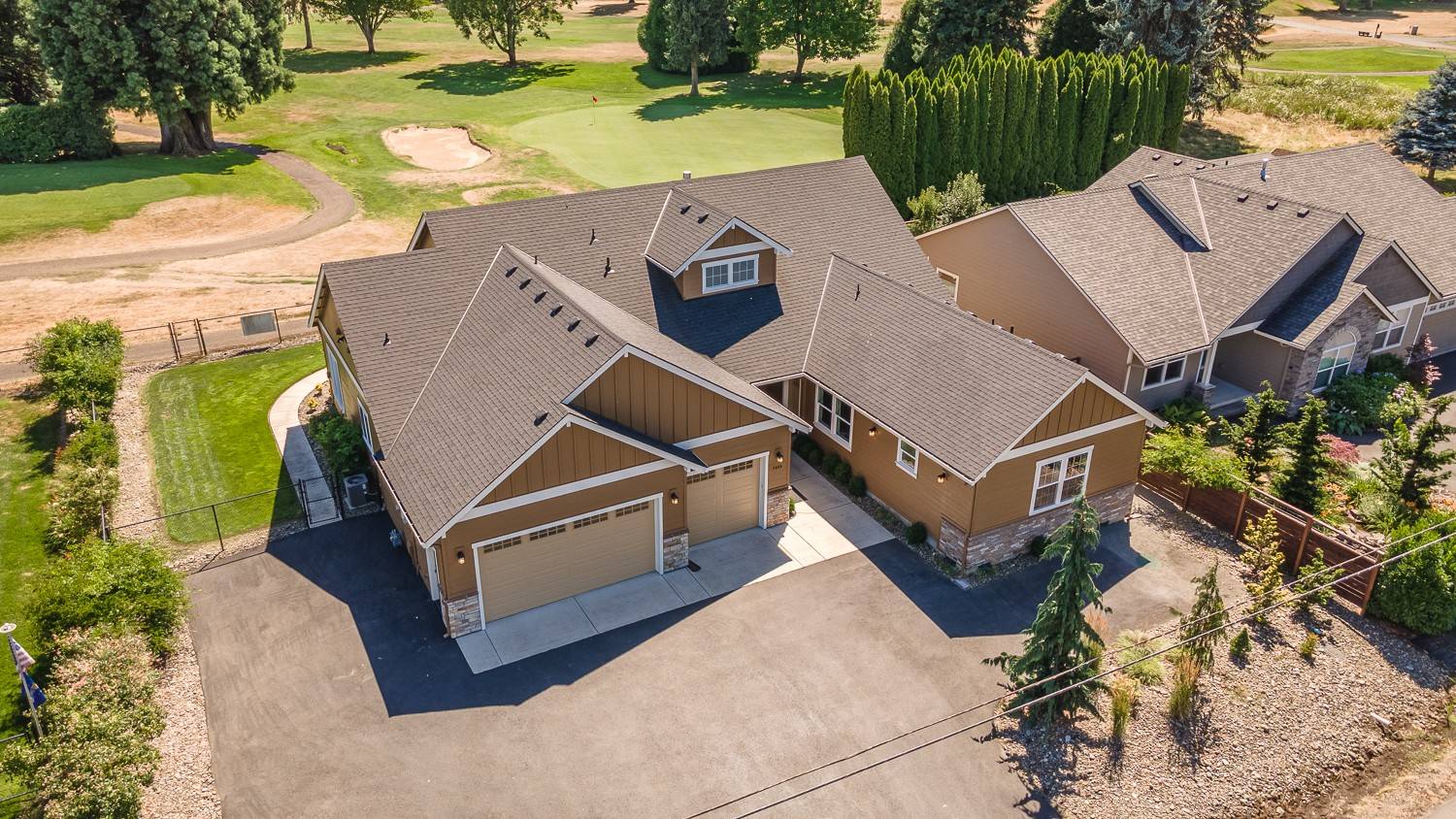
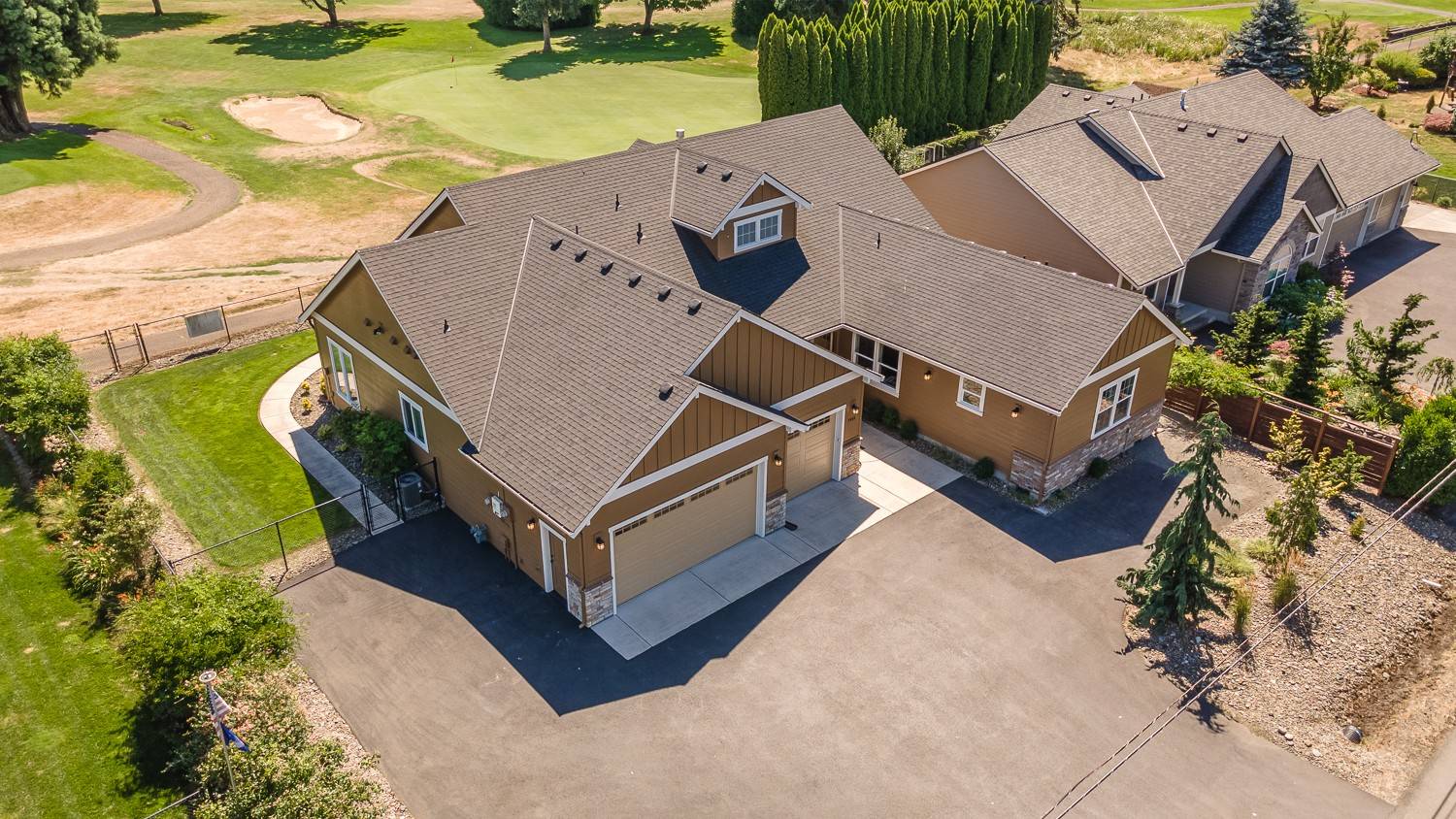



New Home Construction
This year marks our 35th year in Building and Focusing on the Empty Nester Buyer in Southwest Washington. We love what we do and Wow Time flies!!
Our Locations are terrific. We focus on providing lots that accommodate Single Level Homes with 3 Car Garages. We find locations that are peaceful. Views, Greenbelt lots and Access to lakes or rivers is our focal point when looking for land.
About a third of our business is building with clients on Non-Quail Lots. The lots can be in subdivisions, or on acreage. We help clients find lots or clients come to us with their lots. We build our plans, client plans or we can draw a plan from scratch. This is a big part of our business, and we are exceptionally good at it.
We welcome Customization. I personally collaborate with every client to make sure we get the home plan designed to their liking. Between Mascord Home Designs and Myself, we have over 80 years of experience designing homes.
We have an Excellent In-House Interior Designer that helps our clients get the Fit and Finish exactly right. She really helps take the stress out of the process of selections. She is our most popular employee!!
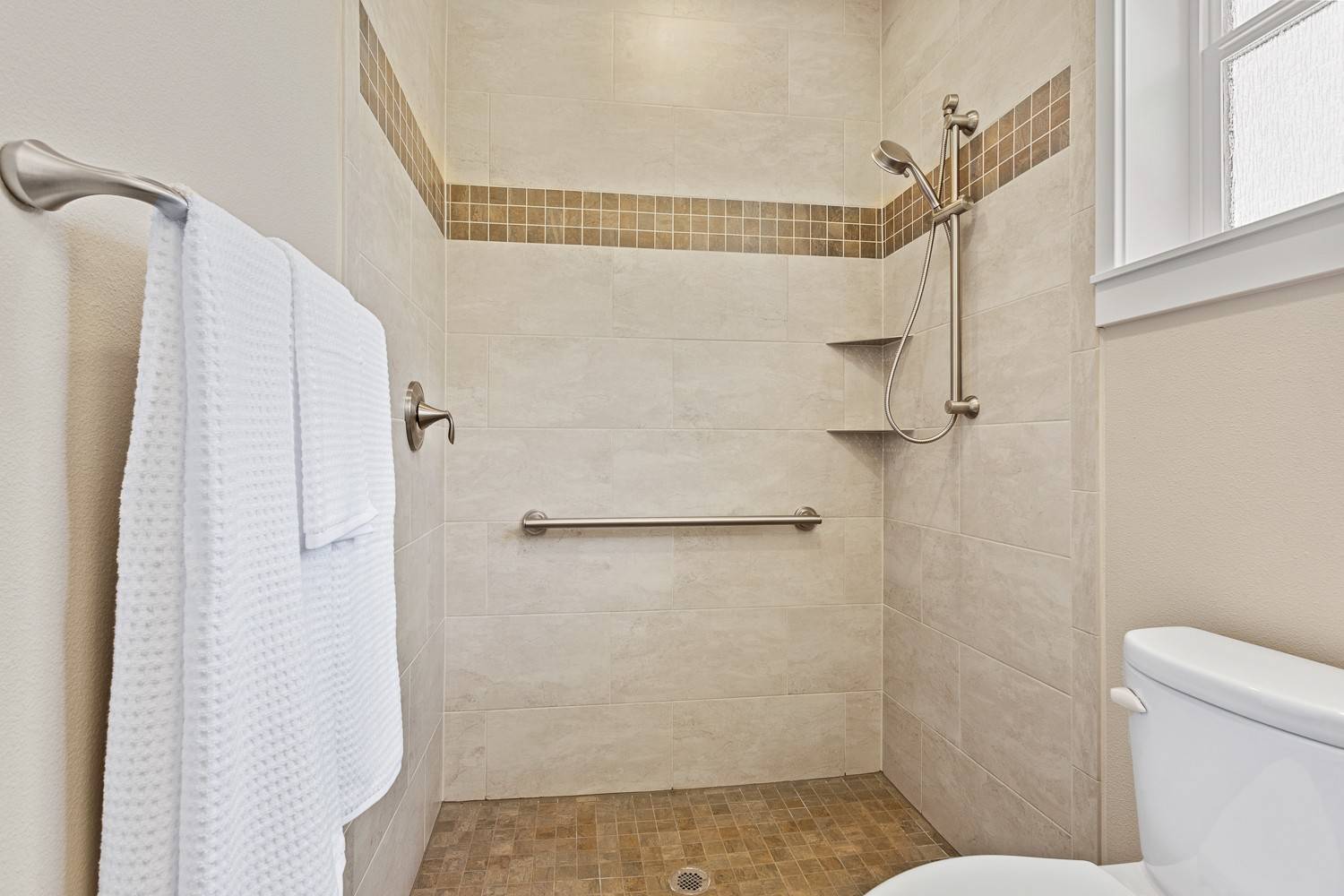
We incorporate Universal Design concepts into our homes so that our clients can be comfortable. We Widen the Hallways/Door Widths, provide Terrific Lighting, Minimize Steps and much more to help people now and in the future.
We are committed to building our homes with concepts from the EPS’s Zero Energy Ready Home and the EPA’s Indoor Air Plus program.
We want to make sure we do the best we can to make our homes Durable, Quiet, Comfortable, Healthy and Very Energy Efficient.
We choose Products and Building Techniques that are more Durable, Look Great and Provides Less Maintenance.
We feel that we have the Collective Wisdom and desire unmatched in Southwest Washington for serving the Empty Nester. Our Trade Partners are excellent (on average they have been with us for 19 years).
We thank you for considering Quail.
Contact Quail Homes Today!
Quail Homes are single level plans designed to be secure, high quality, easy to navigate and low maintenance. These are perfect for empty nesters and busy professionals. Most of the exterior maintenance is centrally managed to allow for easy living and no worries while traveling.
Catering to the Active Adult buyer group over the last 26 years has made us the local experts. We have perfected a building process that allows each client to get exactly what they want.
All of our home plans incorporate Universal Design concepts. Wider doors/hallways, eliminating steps, concentrating on doing lighting well all helps our clients live better. Many of our clients love and care for their pets. We make sure that we design for them as well.